Quick Comparison of the Best Jeans for Men
Jean | Best For | Price Range | Fabric | Fit |
|---|---|---|---|---|
Levi’s 501 | Classic everyday wear, first-time buyers | $50–$70 | 100% cotton | Straight leg |
Wrangler Cowboy Cut | Budget shoppers, roomier fits | Under $40 | Heavy cotton (15+ oz.) | Relaxed straight |
A.P.C. New Standard | Stepping into premium denim | $250–$275 | 13 oz. Japanese selvedge | Slim-straight |
3sixteen CT-100x | Denim enthusiasts, investment pieces | $230–$265 | 14.5 oz. Japanese selvedge | Classic tapered |
OrSlow 105 | Vintage-inspired style | $300+ | One-wash selvedge | Standard straight |
Gap ’90s Loose | Relaxed fits at accessible prices | $60–$80 | Lightweight cotton | Baggy/loose |
Uniqlo Stretch Selvedge | Best value for selvedge features | Under $60 | Cotton-elastane selvedge | Slim fit
|
I’ve been on a long search for the perfect pair of jeans. Over the past few years, I’ve tried on more jeans than I can count – cheap ones, expensive ones, skinny jeans that felt super tight, baggy jeans that swallowed my legs, and everything in between. Some stayed in my closet for years. Others got donated after a week.
Through all that trial and error, I’ve learned that finding the best jeans for men isn’t about picking the most popular brand or the trendiest cut. It’s about knowing what works for your body, your lifestyle, and your wallet. This guide is everything I wish someone had told me before I wasted money on the wrong pair.
How We Chose the Best Jeans for Men
I didn’t just read product descriptions and call it a day. Over the past few days of pulling together this list – and the past few years of wearing and comparing dozens of pairs – I narrowed things down based on what actually matters when you’re wearing jeans day in and day out.
Here’s what I looked at:
Fit – How comfortable the jeans feel in the waist, thigh, and leg. Whether they work for different body types and allow you to move freely.
Fabric quality – The type of cotton, the weight of the denim, and whether the fabric feels like it’ll last or fall apart after a few washes.
Durability and construction – Stitching, rivets, seam quality, and how well the jeans hold up over months of daily wear.
Versatility – Can I wear these with a t shirt and sneakers on Saturday, then pair them with boots and a blazer on Monday?
Value for money – Does the price match the quality? A $300 pair of jeans better deliver more than a $50 pair.
Comfort – This one’s non-negotiable for everyday wear. If I can’t sit, walk, and bend without feeling restricted, they’re out.
I also made sure to include options across different price points and fits. Not everyone has the same body shape or style preference, and the best men’s jeans should reflect that.
Top 7 Best Jeans for Men in 2026
1. Levi’s 501 Original Fit Jeans
The Levi’s 501 is a staple in denim history, and honestly, it earned that reputation. These are the jeans I reach for when I don’t want to think too hard about what to wear. I’ve worn them to barbecues, first dates, and even casual Fridays at work. They just work.
Why It Stands Out
The Levi’s 501 is a prototypical straight-leg fit. The cut sits at the waist, runs straight through the hip and thigh, and falls with a clean straight leg all the way down. There’s no taper, no extra width – just a classic cut that has looked good since the 1800s. The Levi’s 501 remains a staple in men’s denim for a reason: it’s the gold standard for straight leg jeans.
These are 100% cotton, which means they hold their shape and feel authentic. Men’s Health named them “Best Overall” after testing over 60 pairs, and I agree with that call.
Best For
First-time jean buyers who want a reliable everyday pair, and anyone who values a timeless look over chasing trends.
Key Strengths
Straight fit jeans that offer extra room through the thigh and leg without looking baggy
Massive range of washes and colors – from raw indigo to faded vintage
Durable 100% cotton construction that ages beautifully
Available in virtually every waist size and inseam length
Priced around $50–$70, making them a great value in Levi’s jeans
Possible Limitations
The 100% cotton fabric is stiff at first and needs a break-in period of a few weeks
The high rise may feel unusual if you’re used to low-rise pants
Straight-leg fits are versatile and work on almost any body type, but guys with very slim legs might find the leg opening too wide
2. Wrangler Cowboy Cut Original Fit Jeans
When I first tried the Wrangler Cowboy Cut, I wasn’t sure it was “my style.” But after wearing them around the house and then out on a weekend trip, I was genuinely impressed. These are built like tanks.
Why It Stands Out
Wrangler’s Cowboy Cut jeans are popular among rodeo professionals, and that tells you everything about their toughness. The cut is designed with a higher rise and a roomier seat so you can move without restriction. The heavyweight denim on these – Wrangler’s Cowboy Cut jeans can weigh over 15 oz. – feels substantial in a way that lighter denim just can’t match.
Best For
Budget-conscious buyers who want durability and a roomier fit. Also a great pick if you wear boots regularly, since the leg opening fits comfortably over a boot shaft.
Key Strengths
Exceptional value – usually under $40
Heavy, durable fabric that can handle rough use
High rise keeps your shirt tucked and provides more room in the seat
Button fly option adds a classic touch and extra durability at the closure
Simple, no-nonsense design with contrast stitching that gives them a rugged look
Possible Limitations
The styling leans heavily toward workwear and western – harder to easily dress up for a night out
Lacks premium details like selvedge edges or chain-stitched hems
The fit runs generous, so you might need to size down
3. A.P.C. New Standard Jeans
The A.P.C. New Standard was the first “nice” pair of jeans I ever bought. I remember hesitating at the price tag, but the moment I put them on, I understood the hype. These are the jeans that made me care about denim.
Why It Stands Out
These jeans are a gateway to premium denim. A.P.C. New Standard jeans are made from 100% Japanese cotton – specifically, a 13-ounce Japanese cotton that’s dense enough to develop beautiful fades but not so heavy that it feels like cardboard. Selvedge denim is woven on traditional shuttle looms, and these jeans carry that craftsmanship in every thread. The cut is a slim-straight that looks clean without being restrictive.
Best For
Those stepping up from basic blue jeans to high quality denim. If you’ve only worn mall-brand jeans, the A.P.C. New Standard is your entry point to understanding why people obsess over quality jeans.
Key Strengths
Beautiful selvedge denim jeans with real fade potential over time
Clean, minimal French design that pairs with almost anything
The slim-straight cut works for both casual and semi-dressy settings – dark washes look dressier and are easy to dress up
One of the best “gateway” selvedge jeans on the market
Possible Limitations
Priced around $250–$275, which is a big jump from regular jeans
Very stiff when new; the 100% cotton rigid denim holds its shape and feels authentic, but it takes weeks to soften
Limited sizing compared to mass-market brands like Levi’s
4. 3sixteen CT-100x Classic Tapered Jeans
I’ll be honest – these are the only jeans I’ve ever documented with photos over time. Watching the fades develop on this pair has been like watching a time-lapse of my life. Every crease, every whisker line tells a story.
Why It Stands Out
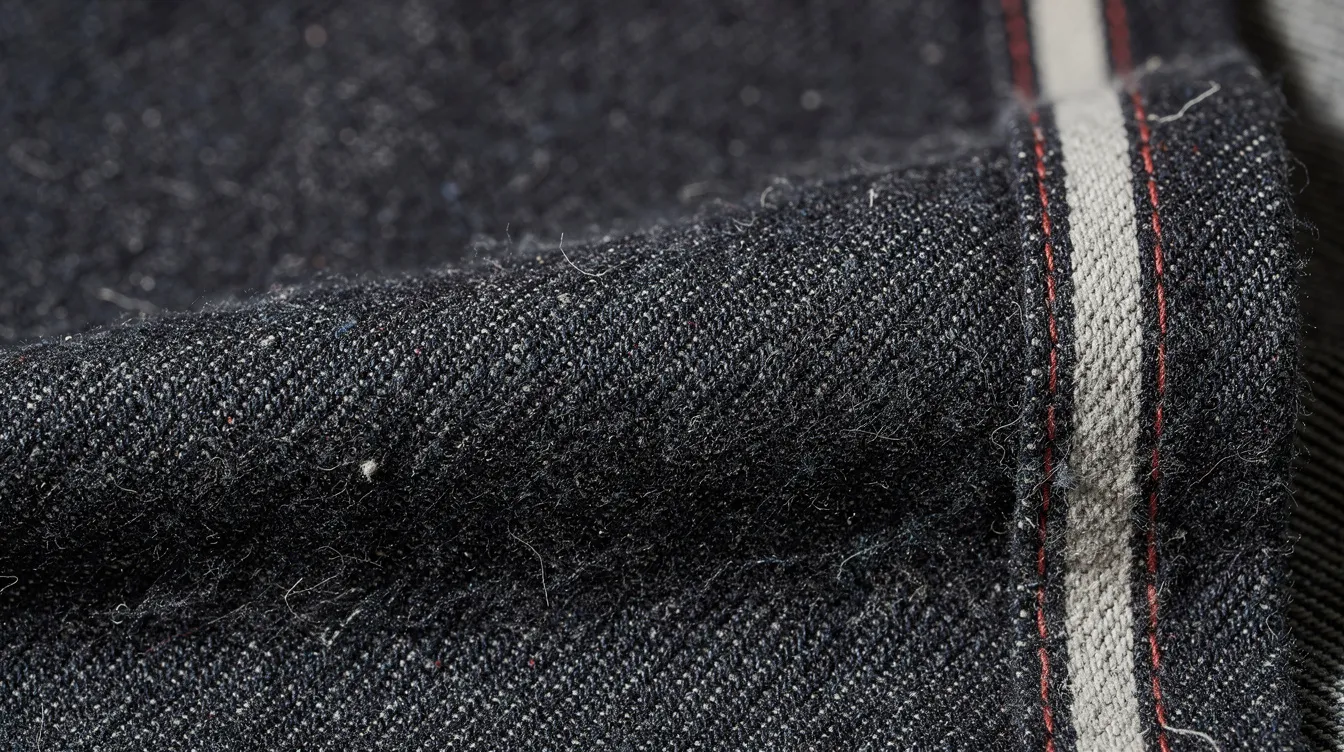
3sixteen jeans are crafted from premium Japanese selvedge denim, and the CT-100x model uses a 14.5 oz. fabric that’s woven on shuttle looms in Okayama, Japan. Japanese selvedge denim is highly regarded for its quality, and it shows in every detail here. The tapered leg gives it a modern silhouette – roomier in the thigh with a subtle taper below the knee – so it doesn’t look dated or overly baggy.
Best For
Denim enthusiasts who see jeans as an investment piece. If you’re into the idea of wearing one pair for a year and watching it transform, this is your jean.
Key Strengths
Japanese denim is known for its high quality and durability – the fabric here is exceptional
The tapered fit with a slight taper below the knee creates a flattering cut on most builds
Fading development is among the best in the industry
Attention to detail: hidden rivets, chain-stitched hems, quality hardware
Made in the USA with imported fabric
Possible Limitations
Priced around $230–$265, which is a serious commitment
The break-in period is real – expect 4–6 weeks of stiff, uncomfortable wear before the fabric softens
Not ideal if you prefer stretch or soft denim right out of the bag
5. OrSlow 105 Standard Straight Jeans
I discovered OrSlow through a friend who’s deep into Japanese denim, and the 105 is the pair that convinced me vintage reproduction is an art form.
Why It Stands Out
The OrSlow 105 is a vintage reproduction that captures the spirit of 1960s American workwear – but with the precision of modern Japanese craftsmanship. The straight leg pair has a slightly wider leg opening than most modern cuts, giving it that authentic vintage drape. The fabric is a one-wash selvedge denim that’s already accounted for shrinkage, so what you try on is what you get.
Best For
Those wanting vintage style with contemporary construction. If you appreciate the difference between authentic details and mass-produced imitation, the OrSlow 105 will make you very happy.
Key Strengths
Authentic vintage details like tucked belt loops, original pocket design, and old-school stitching
Comfortable straight-leg fit that doesn’t require much break-in thanks to the one-wash treatment
Ages gracefully – the fades and wear patterns look earned, not manufactured
Handcrafted quality that you can feel in the weight and texture of the fabric
Possible Limitations
Priced at $300+, putting it in the premium denim category
Limited availability – not easy to find in stores, and sizing can run different from American brands
The vintage-wide leg may not appeal to guys who prefer a more modern, tapered fit
6. Gap ’90s Loose Jeans
I grabbed these on a whim during a Gap sale, expecting to return them. Instead, they became my go-to weekend jeans for the entire summer.
Why It Stands Out
Baggy jeans are trending, reflecting ’90s fashion influences, and the Gap ’90s Loose is one of the most affordable ways to get in on the look. Wider-leg styles have dominated denim trends since 2024, and Gap nailed the silhouette here. Gap’s ’90s Loose Jeans offer a comfortable baggy fit with a relaxed seat, wide thigh, and generous leg opening. Relaxed fit jeans are extra roomy through the seat, thigh, and leg – and these deliver exactly that.
Best For
Those wanting relaxed fits and nostalgic styling at a price that won’t sting. If you’ve been curious about loose jeans or wide leg jeans but didn’t want to drop $200+ experimenting, start here.
Key Strengths
Relaxed jeans that are stylish for casual wear and maximum comfort – I wore these all day without a single complaint
Trend-forward without being costume-y; the proportions feel right
Priced around $60–$80, making them the best baggy jeans for the money
Available in light washes and vintage-inspired finishes that lean casual
Lighter denim fabric that’s comfortable in warm weather
Possible Limitations
Sizing runs large – I had to go down a full size from my usual waist size
The wide, baggy silhouette isn’t the most versatile; harder to dress up for work or formal-ish events
Fabric weight and construction can’t compete with premium brands – these won’t age as gracefully
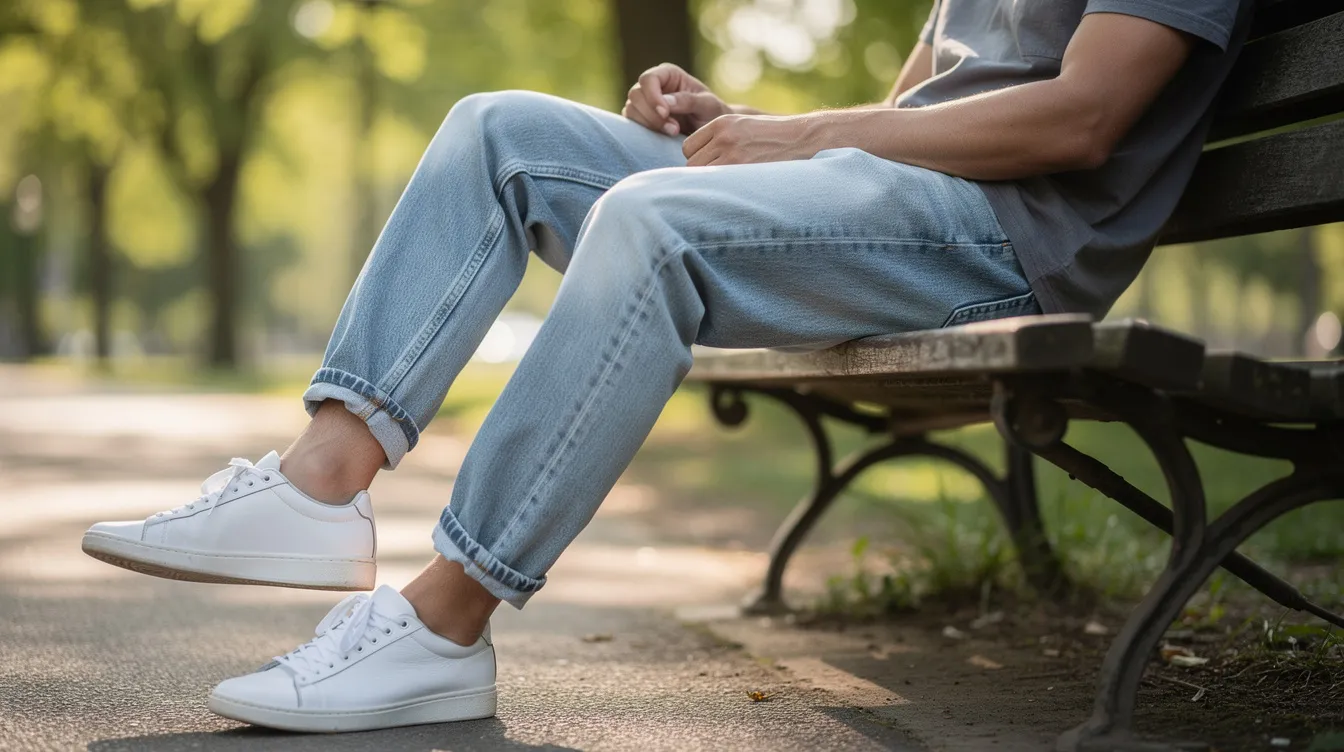
7. Uniqlo Stretch Selvedge Slim-Fit Jeans
I’ve recommended these to at least a dozen friends. When someone tells me they want good jeans but can’t spend more than $60, the Uniqlo Stretch Selvedge is my answer every single time.
Why It Stands Out
Uniqlo somehow packs selvedge denim and stretch into a jean that costs under $60. Fabric blends of 97–98% cotton and 2–3% spandex or elastane reduce stiffness while keeping the denim feel intact. Cotton-elastane blends add stretch for extra mobility, which matters a lot if you’re commuting, traveling, or just sitting at a desk all day. Comfort is prioritized by jeans with a stretch of 1–3% elastane or spandex, and this pair delivers that promise.
Some brands offer free hemming in-store, and Uniqlo is one of them – hemming may be necessary for jeans with long inseams, and Uniqlo handles that at no extra charge.
Best For
Those wanting selvedge denim without breaking the bank. Also a great pick for guys who love the look of raw denim but want the comfort of stretch denim.
Key Strengths
The price-to-quality ratio is unmatched – premium features for under $60
Comfortable stretch fabric from day one, no painful break-in
Genuine Japanese denim with visible selvedge edges when you cuff
The slim fit with a tapered leg looks modern and clean
Free hemming in Uniqlo stores makes getting the right inseam easy
Possible Limitations
Limited color options – usually only 3–4 washes available at any time
The stretch fibers can lose shape over time, especially around the knees after heavy wear
Heavier denim, around 12 oz., is generally more durable, and the Uniqlo fabric sits on the lighter end of that range
How to Choose the Right Jeans for Your Body and Lifestyle
Picking the right pair of jeans shouldn’t feel like guesswork. After trying on several pairs across every fit imaginable, here’s what I’ve learned about matching jeans to your body and your life.
Choose Based on Your Fit Preference
Your body shape matters more than any trend. Here’s how different cuts map to different builds:
Straight leg – The most universally flattering cut. It offers extra room through the thigh and leg without excess fabric. If you’re not sure where to start, a classic cut like the straight leg is your safest bet.
Slim fit – Slim fit jeans taper slightly through the leg, creating a narrower silhouette. These work well if you have slim legs but can feel restrictive on bigger thighs.
Relaxed/baggy – Wide leg jeans have a generous cut all the way down. Great for laid back weekends, but they can overwhelm shorter or narrower frames.
Tapered – A tapered fit gives you more room in the thigh with a subtle taper toward the ankle. It’s a good middle ground between slim and straight.
Athletic fit – Athletic fit jeans provide extra room in the top block and thighs, which is essential for muscular builds. Athletic and straight cuts provide extra room for muscular builds – if your quads are bigger from lifting or sports, look for this label.
Mid-rise jeans are the most versatile and comfortable for everyday wear. I’d recommend them as a starting point unless you have a strong personal preference for high rise or low rise.
The fit should be secure without compression around the waist. Flexible waistbands prevent binding when sitting, which is something I didn’t appreciate until I spent an entire flight in jeans that dug into my stomach.
The inseam should match your style preference for the break – a slight break (fabric just touching the shoe) is the most versatile, while no break works for a more modern look. Also worth noting: the Levi’s 505 has a barely tapered straight-leg fit that sits between a true straight and a slim, and Madewell’s Slim Jeans have a straight, slightly tapered leg – both good options if you’re between fits. Madewell jeans are worth trying on if other brands don’t quite work for your build.
Bootcut and slightly flared cuts are gaining popularity in 2026, so keep an eye on those if you like wearing boots.
My biggest piece of advice: try jeans on later in the day when your legs are slightly larger. A pair that feels perfect at 9 AM might feel tight by dinner.
Choose Based on Your Budget
Not everyone needs to spend $300 on a good pair of jeans. Here’s roughly what you get at different price tiers:
Under $50 – Brands like Wrangler and Amazon Essentials give you solid construction, basic washes, and decent fit options. You won’t get selvedge or fancy fading, but you’ll get honest jeans that work for daily wear.
$50–$100 – This is where you find Levi’s, Gap, Uniqlo, and Banana Republic. You start seeing better fabric, more fit options, and small upgrades like selvedge edges or stretch blends. Banana Republic in particular offers some surprisingly refined cuts in this range.
$100–$200 – Brands like Buck Mason start appearing here. You get noticeably better fabric, cleaner construction, and more intentional design. Buck Mason specifically does a nice job with their fit jeans that balance comfort and clean lines.
$200+ – Premium territory. A.P.C., 3sixteen, OrSlow, and other brands in this range use top-tier fabrics and construction. Japanese selvedge, chain-stitched hems, and materials that age like fine leather. This is where your denim collection starts to feel like an investment.
In my experience, the sweet spot for most guys is $50–$100. You get quality jeans without overpaying for details you might not care about. But if you’re someone who wears one pair of jeans every day and wants them to last years, spending more makes sense.
Choose Based on Fabric and Construction
Fabric is where jeans really separate themselves. Here’s what I’ve learned:
100% cotton vs. stretch denim: Pure cotton feels more like “real” denim. It holds creases, develops personalized fades, and builds character over time. But it’s stiffer, especially when new. Stretch denim (usually 97–98% cotton with 2–3% elastane) is softer and more forgiving. If maximum comfort is your priority, go with a small amount of stretch. If you care about long-term aging and structure, stick with 100% cotton.
Selvedge vs. regular denim: Selvedge denim is woven on traditional shuttle looms that produce fabric at roughly 1/40th the speed of modern looms. That slower process creates tighter weaves, more texture, and those signature clean edges you see when you roll a cuff. Regular denim is perfectly fine for most people – but once you try selvedge, it’s hard to go back. The feel and the way it ages are noticeably different.
Fabric weight: Heavier denim, around 12 oz., is generally more durable and develops better fades. Lightweight denim (10–11 oz.) is more comfortable in warm weather but won’t last as long. For a versatile pair, aim for 12–14 oz. – heavy enough to hold up, light enough to be comfortable year-round.
Color and wash: Dark indigo or medium-dark blue denim is recommended for versatility. You can easily dress them up or down. Light washes and distressing lean casual and work best for weekend wear. If you’re building your denim collection and starting with one pair, go dark.
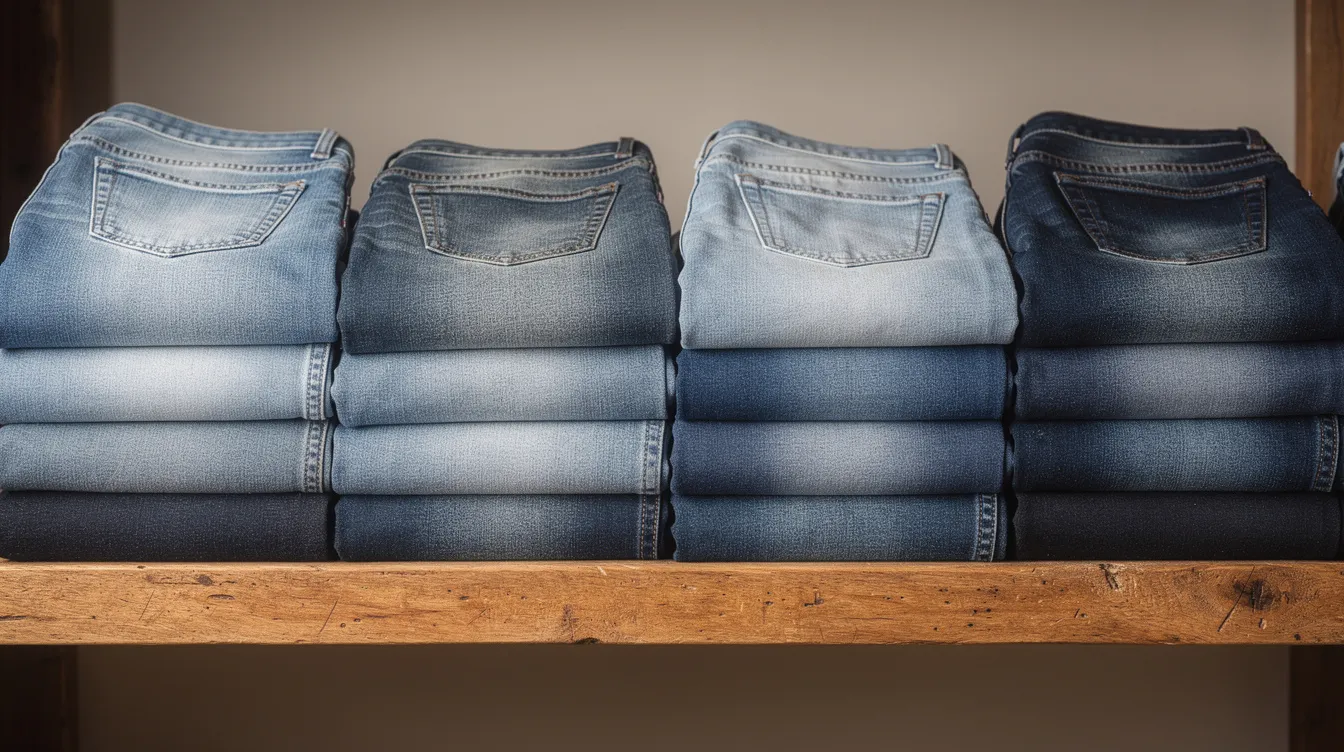
Raw vs. washed: Raw denim hasn’t been washed after production. It’s stiff and dark but molds to your body uniquely over time. Unsanforized raw denim can shrink 5–10% on first soak, while sanforized or pre-washed versions shrink only 1–3%. If you’re new to raw denim, start with sanforized or one-wash options to avoid sizing surprises.
Care tips that actually matter:
Wash jeans inside out in cold water to preserve color
Air dry jeans to prevent shrinkage and maintain shape
Avoid machine drying to extend the lifespan of jeans
Store jeans folded to prevent creasing and damage
Wash less often – every 5–10 wears is plenty for most pairs
Which Jeans Are Best for You?
After all this testing and comparing, here’s my straightforward recommendation based on what you need:
Choose Levi’s 501 if you want a reliable, classic straight leg pair that works everywhere. It’s been the favorite pair for millions of men for over a century, and that’s not an accident.
Choose Wrangler Cowboy Cut if you need great value and more room. At under $40, no other jeans come close on a price-per-wear basis.
Choose A.P.C. New Standard if you’re ready to invest in selvedge denim jeans and experience what premium denim really feels like.
Choose 3sixteen CT-100x if you want premium Japanese denim and are willing to put in the break-in time for a great pair that fades unlike any other jeans.
Choose OrSlow 105 if you love vintage style with modern quality and don’t mind paying for handcrafted details.
Choose Gap ’90s Loose if you want to try relaxed fits affordably. These are the best way to test whether baggy jeans are for you without risking much cash.
Choose Uniqlo Stretch Selvedge if you want selvedge features on a budget. No other brand gives you this much for under $60.
Final Thoughts
After years of buying, wearing, returning, and obsessing over jeans for men, here’s what I’ve taken away: the perfect pair doesn’t exist in some universal sense. What exists is the right pair for you – for your body, your budget, and the life you actually live.
If I had to start over with just one pair, I’d pick a dark wash straight leg in a mid-weight fabric. Something versatile enough for daily wear, sturdy enough to last, and simple enough to go with everything. From there, I’d branch out – maybe a pair of selvedge jeans for weekends, or some loose jeans for summer.
Don’t get caught up in brand names. I’ve worn a $35 pair of Wranglers that outlasted a $200 pair from other brands. And I’ve also owned premium denim that was worth every penny because the fit was perfect and the fabric got better with every wear. The key is knowing what trade-offs matter to you.
Men’s fashion can feel overwhelming, but jeans are the one area where getting it right pays off for years. A good pair of jeans boosts your confidence in a way that’s hard to explain until you experience it. When you pull on a pair that fits perfectly – not too tight, not too loose, with denim that feels like it was made for you – everything else in your outfit just falls into place.
So take the time to try things on. Measure your favorite pair and compare. Start with one versatile pair and build from there. Your future self will thank you.