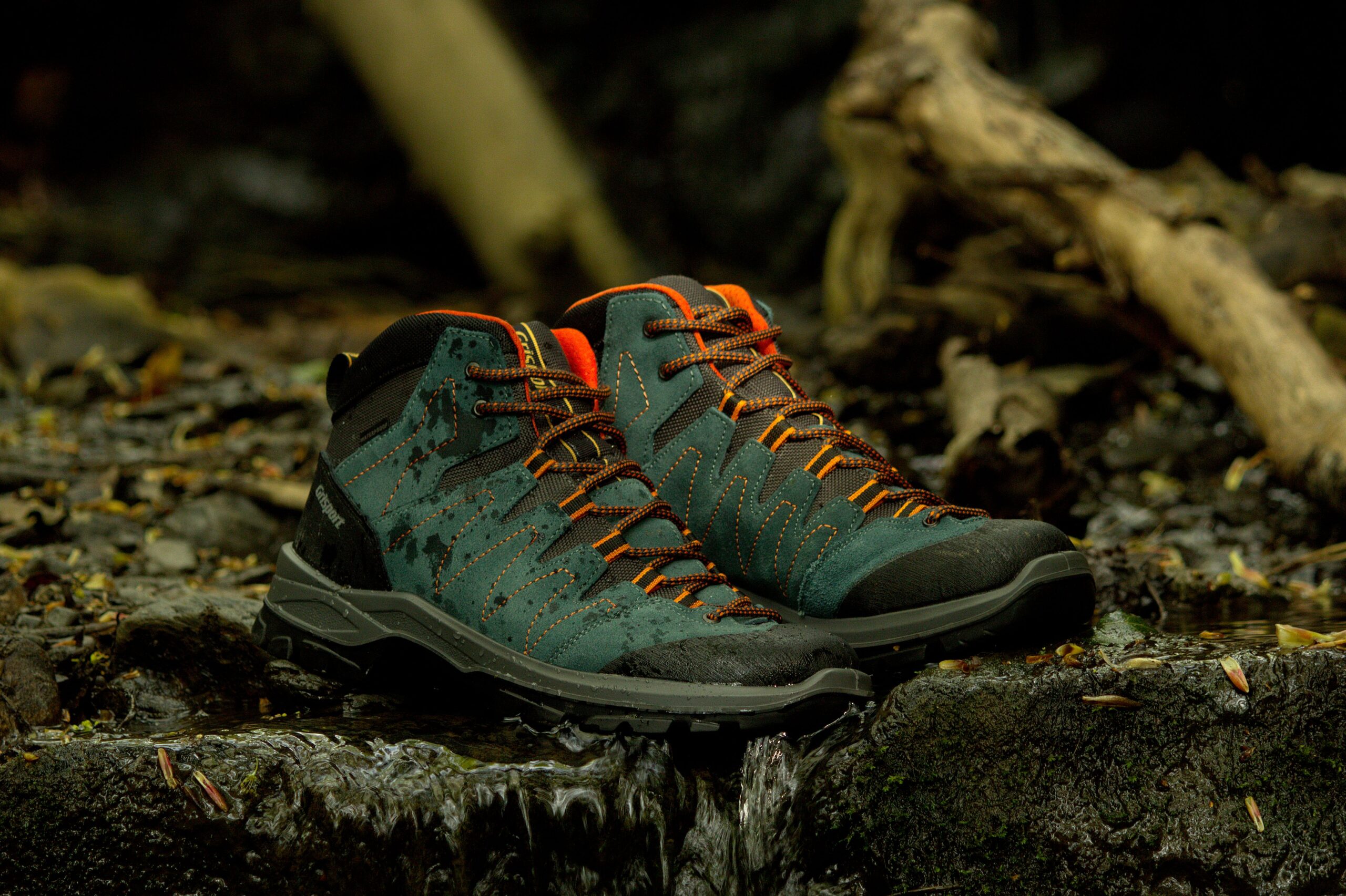
Quick Comparison of the Best Waterproof Shoes
Here’s a fast breakdown if you’re short on time:
Salomon X Ultra 5 GTX – Best for technical hiking on challenging terrain
Merrell Moab 3 Waterproof – Best for casual hiking and everyday wear
Brooks Ghost 17 GTX – Best for road running in wet weather
Hoka Challenger 8 GTX – Best for cushioned trail running over longer distances
Keen Targhee IV Waterproof – Best for rocky terrain protection and wide feet
Nike Pegasus 41 GTX – Best for urban running and commuting
La Sportiva Spire GTX – Best for technical mountain terrain
Altra Lone Peak 8 WP – Best for natural foot shape and long distances
Shoe | Best Activity | Waterproof Tech | Key Feature |
|---|---|---|---|
Salomon X Ultra 5 GTX | Technical hiking | Gore-Tex | Ankle support + grip |
Merrell Moab 3 WP | Casual hiking | Merrell membrane | Comfort out of box |
Brooks Ghost 17 GTX | Road running | Gore-Tex | Cushioned ride |
Hoka Challenger 8 GTX | Trail running | Gore-Tex | Max cushioning |
Keen Targhee IV WP | Rocky trails | Keen.Dry | Toe protection |
Nike Pegasus 41 GTX | City running | Gore-Tex | Style + function |
La Sportiva Spire GTX | Scrambling | Gore-Tex | Rock grip |
Altra Lone Peak 8 WP | Long hikes | Altra membrane | Zero drop + wide toe |
Introduction
I used to think all waterproof shoes were the same. Slap a membrane inside, call it a day. Then I spent six months wearing eight different pairs through downpours, muddy trails, wet grass, and slushy city sidewalks-and I learned just how wrong I was.
Waterproof shoes keep feet dry in sustained rain, puddles, and wet grass. But the way they do it matters a lot. Most use a waterproof membrane like gore tex, which has about 9 billion micropores per square inch. Those pores are roughly 20,000 times smaller than a water droplet, so liquid can’t get through-but sweat vapor can escape. Other brands use their own membrane technologies, like Sympatex’s closed membrane or Oboz’s B-Dry system. Each one handles water differently, and each has trade-offs in breathability and weight.
For this guide, I tested shoes across different terrains and weather conditions over six months. I hiked rocky trails in the Appalachians, ran in spring storms, and walked through rainy commutes. My selection criteria focused on real-world performance-not just brand recognition or lab specs. The result is a list of eight shoes that actually do what they claim.
 How I Chose the Best Waterproof Shoes
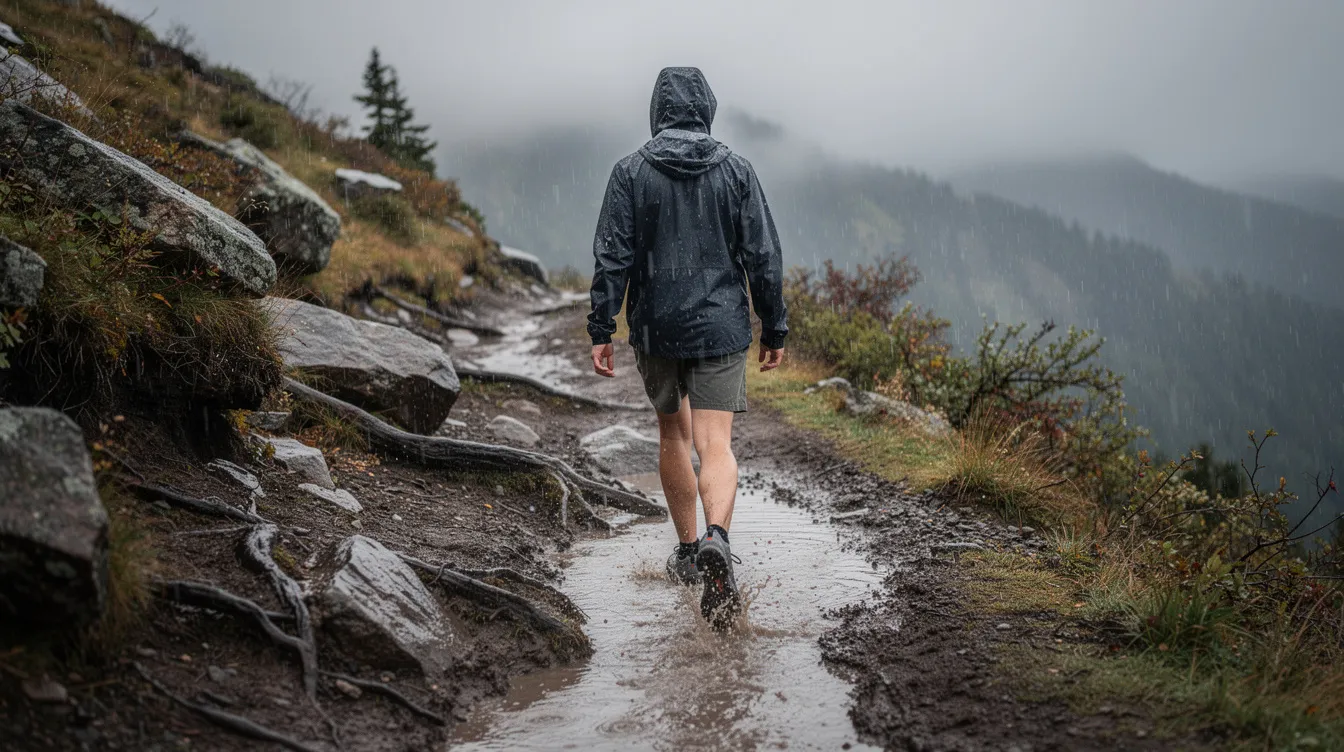
I logged over 300 miles across trails, roads, and city sidewalks during my testing period. Every pair got at least 40 miles of wear in wet conditions before I formed an opinion. Here’s what I measured:
Waterproof performance: I walked through streams, stood in puddles, and hiked through hours of steady rain. If water got in, I noted when and where.
Breathability: I wore each pair on warm, humid days to see how much sweat they trapped.
Durability: I checked for membrane failure, sole separation, and upper wear after heavy use.
Traction: I tested grip on wet rocks, slick roots, wet roads, and mud.
Comfort: I paid attention to cushioning, fit, and how my feet felt after long days.
Value for money: I weighed performance against price to see which shoes gave the best return.
Choosing the right waterproof shoe depends on the intended activity. A shoe built for serious hiking won’t feel right on a morning run, and a road running shoe won’t survive rocky terrain. That’s why I tested across different activities-hiking, trail running, and urban walking.
A few things I learned early: waterproof shoes are less breathable than non waterproof options. In RunRepeat’s lab tests, gore tex shoes received the lowest breathability rating compared to non-membrane shoes. Waterproof shoes also weigh 0.5 to 2 ounces more than non waterproof versions of the same model. Choose waterproof shoes for moderate-to-heavy rain conditions, and avoid waterproof shoes for light drizzles or occasional puddles where water resistant options work just fine.
Top 8 Waterproof Shoes for Different Activities
1. Salomon X Ultra 5 GTX
The Salomon X Ultra 5 GTX was my go-to for technical day hikes. I wore this pair through a full week of wet weather in the Smokies, and my feet stayed completely dry. The Salomon X Ultra 5 GTX weighs 1 lb. 10 oz. for the men’s version and 1 lb. 6 oz. for women’s versions-light enough that I never felt weighed down on steep climbs.
Why It Stands Out
This gtx shoe uses a gore tex membrane that delivered reliable protection on every hike. The trail performance was excellent. The chassis system gives a locked-in feel over uneven terrain, and the Contagrip outsole gripped wet rock like it was dry. The Salomon X Ultra 5 GTX offers good ankle support and a lightweight design that makes longer distances feel easier.
Best For: Technical hikers and backpackers who need underfoot protection and precision on rough trails.
Key Strengths:
Outstanding abrasion resistance on rocky terrain
Secure fit through the midfoot with a snug fit around the heel
Deep lugs that bite into muddy trails and loose gravel
Supportive midsole that handles uneven terrain well
Possible Limitations:
Runs narrow-people with wide feet may struggle
Short break-in period needed for the stiffer upper
Impacts breathability on warmer days
2. Merrell Moab 3 Waterproof
The Merrell Moab 3 is recommended for comfort and durability, and after months of testing, I agree. This shoe felt great right out of the box. I wore it on casual hikes, around town, and even on grocery runs. The merrell moab line has been a favorite for years, and this version earned that reputation.
Why It Stands Out
Comfort is the word here. The cushioned midsole absorbs impact without feeling mushy, and the waterproof upper keeps water out without making the shoe feel stiff. RunRepeat rated it the best overall Gore-Tex hiking shoe for keeping feet dry during wet hikes. It’s one of the best waterproof hiking shoes you can buy at this price.
Best For: Casual hikers who want a shoe that doubles as everyday wear.
Key Strengths:
Comfortable ride right from day one-no break-in needed
Price point is lower than most gtx version competitors
Works well as waterproof walking shoes for daily wear
Bellows tongue keeps debris out
Possible Limitations:
Less aggressive tread limits performance on very technical trails
Not ideal for serious hiking on steep, loose surfaces
Heavier than some trail runners in this list
3. Brooks Ghost 17 GTX
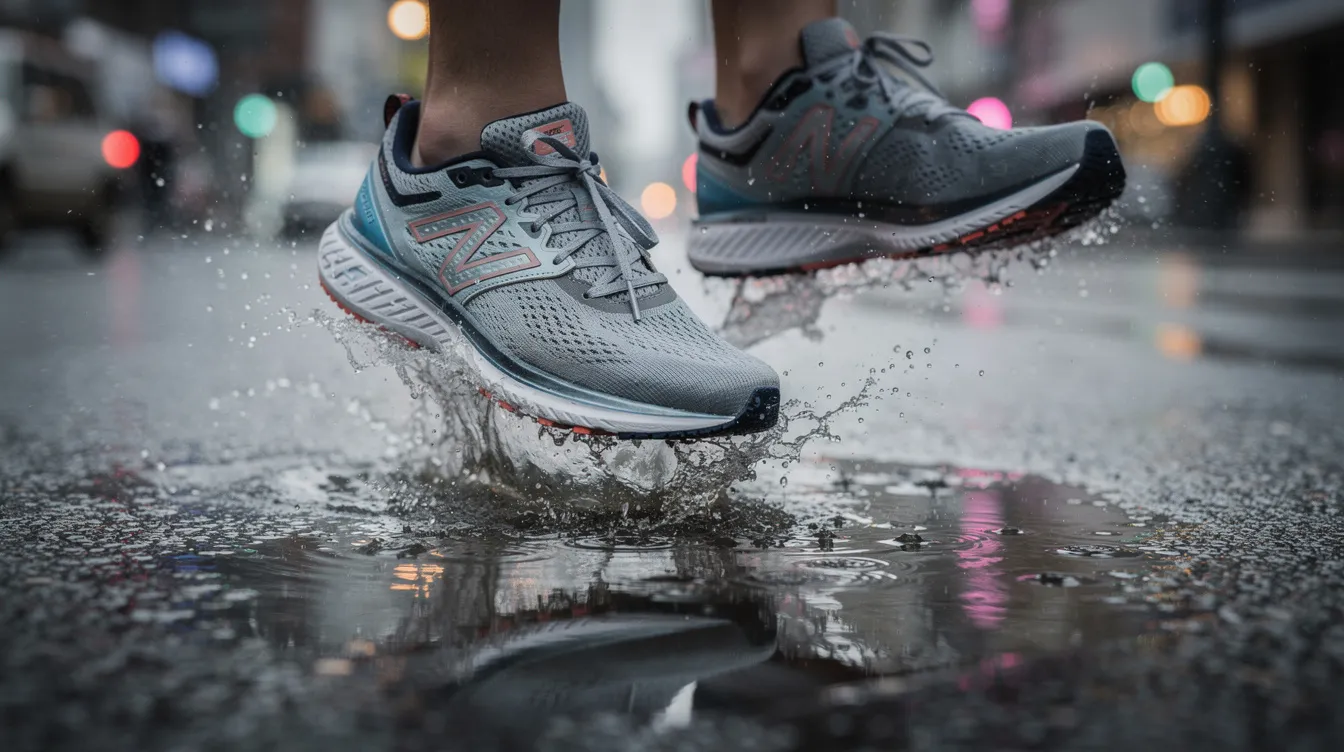
I’m a runner who hates treadmills, so when spring storms rolled in, the Brooks Ghost 17 GTX became my best friend. The Brooks Ghost 17 GTX features a Gore-Tex upper for waterproofing that handled steady rain on my usual 5-mile loop. It felt almost as smooth as the non waterproof brooks ghost I usually wear.
Why It Stands Out
This is one of the best waterproof running shoes for road runners. The gtx membrane keeps water out, and the DNA LOFT cushioning gives a smooth, comfortable ride on pavement. I ran through puddles and across wet roads without any leaks. The Brooks Ghost 17 GTX has a traction rating of 0.67, which is solid for a road shoe in wet conditions.
Best For: Runners who need waterproof running shoes for rainy-season training.
Key Strengths:
Excellent cushioning for heel strikers and neutral runners
Breathable shoes despite the membrane (better than most waterproof models)
Smooth transition from heel to toe drop
Available in both men’s version and women’s versions
Possible Limitations:
Heavier than the standard running shoes version
Premium price for the waterproof version
Not built for trails-stick to roads and paths
 4. Hoka Challenger 8 GTX
The Hoka Challenger 8 GTX was my trail running shoe for longer distances. I took it on a 15-mile trail run through rolling hills after a full day of rain, and the cushioning kept my feet happy from start to finish. The HOKA Clifton 9 GTX weighs 9.6 oz and offers excellent cushioning for road use, but the Challenger is where Hoka really shines on trails.
Why It Stands Out
Maximum cushioning meets waterproof hiking and trail running in one package. The gore tex membrane blocked every bit of moisture I threw at it. The midsole is thick enough to smooth out roots and rocks, which makes it a dream for trail running shoes on moderate terrain.
Best For: Long-distance trail runners and big fans of cushioned midsole designs.
Key Strengths:
EVA or premium foam midsoles enhance comfort for long periods
Versatile enough for both trails and roads
Removable insole lets you swap in custom orthotics
Solid water resistance across the entire upper
Possible Limitations:
The bulk makes it feel less precise on technical terrain
Not the best choice for rocky terrain with sharp edges
A different style from minimal trail shoes-takes getting used to
5. Keen Targhee IV Waterproof
I’ve always liked Keen for one reason: that big, protective toe bumper. The Targhee IV didn’t disappoint. I wore it through a long weekend of hiking in rocky terrain where other shoes would have left my toes bruised. The wide toe box gives my feet room to spread, which matters when you’re on your feet all day.
Why It Stands Out
Keen’s proprietary waterproof membrane performed well in my soak tests-no leaks after standing in a stream for two minutes. Deep lugs on rubber outsoles provide traction on slippery surfaces, and deep rubber treads on the outsoles prevent slips on wet or muddy ground. The waterproof upper is tough enough to handle scrapes against rock without showing much damage.
Best For: Hikers who spend time on rocky terrain and need reliable toe box protection.
Key Strengths:
Wide toe box is great for people with wider feet
Excellent underfoot protection from the thick sole
Durable nubuck leather and synthetic upper combination
Good arch support for all-day comfort
Possible Limitations:
Heavier than most hiking shoes in this list
Break-in time is longer than synthetic-only shoes
Mid height design would improve ankle support for steep terrain
6. Nike Pegasus 41 GTX
I didn’t expect a nike pegasus to make this list, but the GTX version surprised me. I wore it on rainy commutes, wet morning runs, and casual walks through the city. The Nike Pegasus 41 GTX provides excellent shock absorption and waterproofing. The Nike Pegasus 41 GTX features a 36.4 mm heel stack for shock absorption that cushions every step on hard pavement.
Why It Stands Out
This is the shoe for people who want waterproof shoes that don’t look like waterproof shoes. It’s sleek enough for daily wear and performs well enough for running in wet conditions. The gore tex membrane kept my feet dry through a week of nonstop spring rain.
Best For: City runners and commuters who want the best waterproof walking shoes for urban life.
Key Strengths:
Stylish enough for everyday wear and office commutes
Reliable protection from the sealed gore tex membrane
Smooth, responsive ride on pavement
Lightweight shoes reduce foot fatigue on long walks
Possible Limitations:
Runs narrow-not great for wider feet
The outsole wears faster on rough surfaces than trail shoes
Not built for muddy trails or uneven terrain
7. La Sportiva Spire GTX
The La Sportiva Spire GTX is built for people who take their hiking seriously. I wore it on a scramble up a rocky ridge in wet weather, and it felt like it was glued to the rock. This is not a casual shoe. It’s a tool for serious hiking and technical terrain.
Why It Stands Out
The Vibram outsole grips rock better than any other shoe I tested. The gore tex membrane handled sustained rain without any breakthrough. The waterproof membrane is bonded tightly to the upper, which cuts down on bulk and improves the overall fit. This shoe handles like hiking boots but weighs much less.
Best For: Serious hikers and mountaineers who need precision on exposed terrain.
Key Strengths:
Best-in-class grip on wet rock and loose scree
Durable water repellent finish on the upper sheds water quickly
Excellent ankle support without being a full boot
Recycled materials in parts of the construction
Possible Limitations:
Stiffer than most-not comfortable for casual walking
Higher price point than many competitors
Overkill for moderate day hikes on groomed trails
8. Altra Lone Peak 8 Waterproof
If you care about natural foot shape, the Altra lone peak 8 is the one. Zero heel to toe drop means your foot sits flat, which I found way more comfortable on longer hikes. The wide toe box lets your toes splay naturally, and after a 12-mile hike, my feet felt fresher than in any other shoe I tested.
Why It Stands Out
Altra’s approach is different. No drop, no cramped toe box, no heavy structure. The waterproof version adds a membrane without ruining the lightweight feel that makes trail runners love this shoe. The exact shoes I tested weighed noticeably less than most waterproof models on this list.
Best For: Natural running enthusiasts and hikers who prefer a zero-drop platform.
Key Strengths:
Wide toe box allows secure heel fit while toes spread naturally
Zero-drop design promotes natural gait
Lightweight feel for longer distances
Works well as both trail shoes and walking shoes
Possible Limitations:
Less arch support than traditional hiking shoes
Traction is moderate-not great on very slick rock
The minimal structure won’t suit everyone, especially on uneven terrain with a heavy pack
 How to Choose the Right Waterproof Shoe
Choose Based on Your Primary Activity
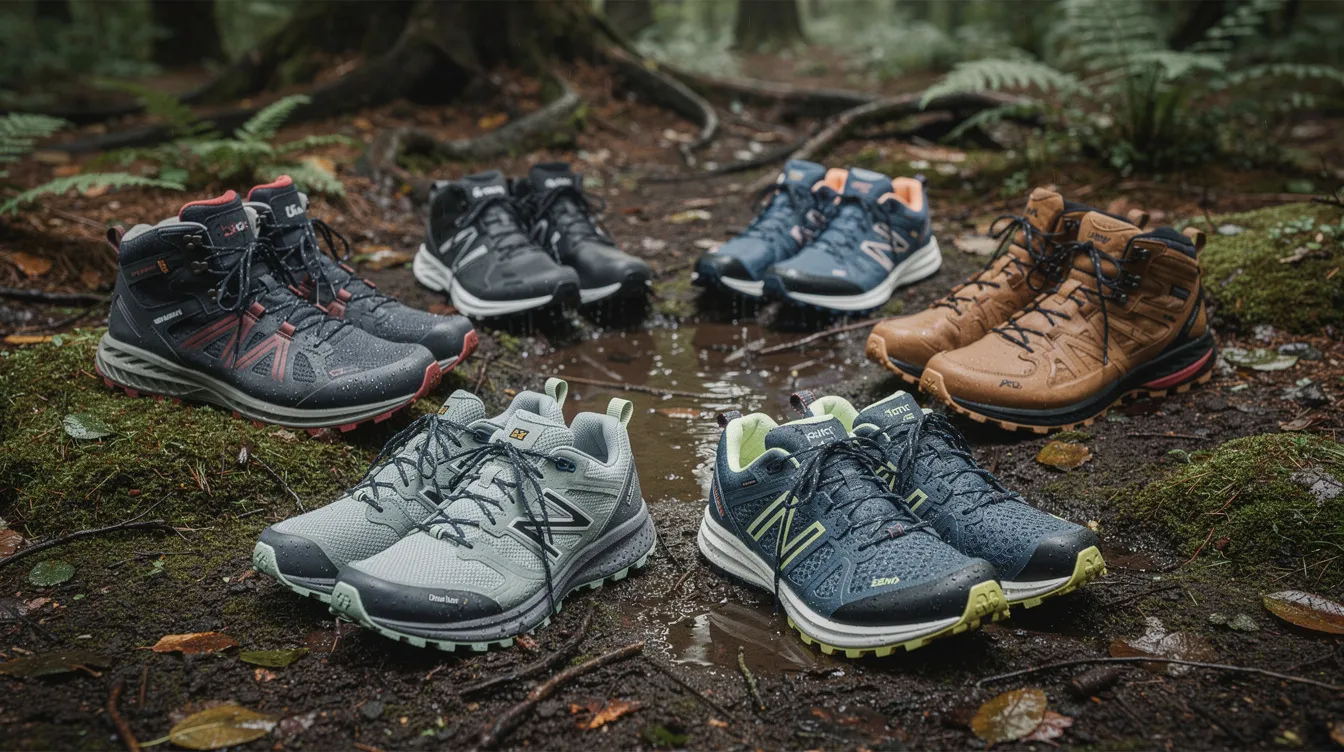
Your primary activity should drive your decision. If you’re mostly on trails, look at waterproof hiking shoes or trail running shoes with aggressive outsoles. If you’re running on roads in the rain, grab a pair of waterproof running shoes with a cushioned midsole and smooth tread. For daily wear and commuting, walking shoes with a clean look and reliable waterproofing are the move.
Don’t try to make one shoe do everything. I tried wearing the La Sportiva on city walks and it felt like walking in ski boots. And I tried the Nike Pegasus on a rocky trail-it didn’t end well. A good pair of shoes is one that matches what you actually do most.
Choose Based on Terrain and Conditions
Think about where you live and what the weather throws at you. Waterproof shoes can resist up to 20,000 mm of water pressure, which handles anything short of wading through a river. Use waterproof shoes in cold, wet conditions or snow-they’re often warmer than non waterproof versions, which is a bonus in winter.
But here’s the flip side: waterproof shoes can trap heat and moisture in hot weather. If you live somewhere warm and only deal with the occasional shower, consider water resistant shoes or On Running’s Cloud Waterproof, which excels in rain and shallow puddles without the full membrane weight. Also consider waterproof socks as a backup option-they let you wear breathable shoes while keeping your feet dry when storms pop up unexpectedly.
For trail conditions, think about traction. Outdoor Life’s field tests showed that drying time matters as much as waterproofing-some shoes took over two days to fully dry after a soak test. If you’re doing multi-day hikes, that’s a problem.
Choose Based on Foot Shape and Fit Preferences
Foot shape matters more than most people realize. A secure heel fit allows toes to spread naturally in shoes, which reduces blisters and hot spots. If you have wide feet, look at the Keen Targhee IV or Altra Lone Peak-both have generous toe box space. If you have narrow feet, the Salomon X Ultra 5 GTX will feel more locked in.
Men’s waterproof shoes should fit a half size larger for comfort with thicker socks, especially in cold weather when you’ll want that extra insulation. Women should try their usual size first but be ready to go up a half size too.
Choosing breathable waterproof membranes enhances comfort for extended wear. Check for a fully attached tongue to enhance waterproofing-gusseted tongues stop water and debris from entering through the laces. And pay attention to arch support. Not every foot needs the same amount, and shoes like the Merrell Moab 3 offer moderate support that works for most people.
 Which Waterproof Shoe Is Best for You?
Let me make this simple:
Choose the Salomon X Ultra 5 GTX if you need serious hiking performance on technical trails with reliable ankle support.
Choose the Merrell Moab 3 Waterproof if you want comfort and versatility for casual hikes and everyday walking.
Choose the Brooks Ghost 17 GTX if you’re a runner who refuses to let rain cancel your training.
Choose the Hoka Challenger 8 GTX if maximum cushioning is your priority and you run longer distances on trails.
Choose the Keen Targhee IV if you hike rocky terrain and need a wide toe box.
Choose the Nike Pegasus 41 GTX if you want a waterproof shoe that looks good on city streets.
Choose the La Sportiva Spire GTX if you tackle exposed, technical mountain routes.
Choose the Altra Lone Peak 8 WP if zero-drop and natural foot shape matter to you.
Waterproof shoes feature reliable membranes like Gore-Tex and breathable uppers, but no single membrane works best for everyone. The membrane type affects waterproofing and breathability in shoes, so think about where you fall on that spectrum. Do you need maximum waterproofing for all-day rain? Or do you want something more breathable for mixed conditions? Your answer points you to the right shoe.
One more thing: waterproof shoes can trap sweat and take longer to dry. Reapply DWR spray every season or two for Gore-Tex shoes to keep the outer fabric shedding water properly. Use waterproof gaiters to prevent water entering over the shoe top on deeper crossings. And avoid deep water to keep waterproof shoes effective-they’re not rubber boots.
Breathability is significantly reduced in waterproof shoes. If you’re in hot weather most of the year, consider having a non waterproof pair for dry days and saving the waterproof models for when you actually need them.
Final Thoughts
After six months of testing, I can say this: there is no single best waterproof shoe. But there is a best one for you. The Salomon X Ultra 5 GTX came out as my most versatile overall pick because it handled the widest range of conditions well-technical trails, wet rock, long hikes, and moderate weather. But it’s not perfect for running, and it’s not great for casual daily wear.
The waterproof shoe category has come a long way. Gore-Tex shoes resist up to 20,000 mm of water pressure, membranes are getting thinner and lighter, and brands like Hoka are even making waterproof road shoes like the HOKA Clifton 9 GTX that weigh just 9.6 oz. The brooks cascadia line keeps improving for trail running, and even budget-friendly options from Merrell perform at a high level.
Start by asking yourself one question: what will I do most in these shoes? Then pick the pair that matches that answer. Don’t chase trends. Don’t buy what your friend bought. Get the shoe that fits your feet, your activity, and your weather. That’s the one that’ll keep your feet dry when it matters.