Walk into any home goods store or browse clothing online, and you’ll face the same decision repeatedly: polyester or linen? These two fabrics sit at opposite ends of the textile spectrum—one a synthetic fabric engineered for convenience, the other among the oldest natural fibers known to humanity. Getting this choice right affects everything from how comfortable you feel on a summer afternoon to how long your curtains last in a sunny window.
This guide breaks down the polyester vs linen debate across the factors that actually matter: comfort, durability, maintenance, environmental impact, cost, and ideal uses. By the end, you’ll know exactly which fabric belongs where in your life.
Quick Answer: When to Choose Polyester vs Linen
For everyday clothing and home textiles like curtains, bedding, and tablecloths, the choice between polyester and linen comes down to what you prioritise most. Linen wins on comfort and sustainability; polyester wins on practicality and price.
Choose linen if you prioritise breathability in warm weather, prefer a natural feel against your skin, care about sustainability and biodegradability, and want textiles that develop character and elegance over years of use.
Choose polyester if you prioritise durability in high traffic areas, need low maintenance fabrics that require minimal effort, want strong color retention even in direct sunlight, or shop on a tight budget.
The rest of this article compares linen and polyester across comfort, longevity, care requirements, environmental footprint, cost, aesthetics, and specific product recommendations. Whether you’re buying summer shirts or living room curtains, you’ll find clear guidance for making the right fabric choice.
What Is Linen? (Natural Fiber Overview)
Linen is a natural fiber derived from the flax plant (Linum usitatissimum), cultivated primarily in Western Europe—particularly France, Belgium, and parts of Russia, which together produce roughly 80% of the world’s supply. This isn’t a modern textile by any measure: archaeological evidence places linen use as far back as 8000 BCE in the Middle East, where it served for everything from everyday clothing to Egyptian burial shrouds symbolising purity.

What makes linen fabric distinctive starts at the fiber level. Linen fibers are hollow, irregular, and create a naturally loose weave that allows exceptional airflow. The fabric absorbs moisture remarkably well—up to 20% of its weight before feeling damp—and releases that moisture quickly through evaporation. When you touch quality linen, you’ll notice it feels cool, almost crisp, with a slightly textured surface that textile experts call “slubby.”
Modern uses for linen span both wardrobe and home. You’ll find it in summer shirts, relaxed dresses, breathable trousers, tablecloths for formal dining, napkins passed down through generations, premium bedding, and high-end linen curtains that filter light beautifully. Good quality garment linen typically ranges from 150 to 250 gsm, giving it an airy but substantial feel that drapes naturally.
From an environmental perspective, linen stands out as an eco friendly option. The entire flax cultivation process requires less water than cotton and fewer pesticides. The fabric itself biodegrades completely within 2 to 5 years under the right conditions, returning to the earth rather than persisting as waste.
What Is Polyester? (Synthetic Fiber Overview)
Polyester is a synthetic fiber manufactured from petroleum based products through a chemical process that bonds ethylene glycol with terephthalic acid, creating long polymer chains that form into strong, resilient filaments. British chemists invented this synthetic material in the 1940s, but DuPont brought it to mass production in 1953 under the brand name Dacron. Within decades, polyester production had transformed the textile industry by offering an affordable alternative to natural fibers that were scarce in the post-war economy.
The properties that make polyester is a synthetic standout include impressive durability, natural wrinkle resistance, minimal moisture absorption, quick drying times, and exceptional color retention. Polyester fabrics hold dye so well that they can maintain vivid, saturated colours even after years of washing and sun exposure. The trade-off? Standard polyester weaves feel less breathable than natural alternatives and can develop that warm, slightly clammy sensation against skin.
In real-world applications, polyester dominates categories where durability and ease matter most. Think everyday t-shirts, athletic wear engineered with moisture wicking properties, jacket linings, budget-friendly polyester curtains, microfiber bedding, stain-resistant tablecloths for family dinners, and upholstery built to withstand years of use. Polyester can even be engineered to mimic the look of natural fabrics—you’ll find “linen look” polyester and polyester “silk” throughout home décor stores—though the performance remains distinctly synthetic.
The environmental profile of this synthetic fiber presents real concerns. Polyester doesn’t biodegrade; estimates suggest it persists in landfills for over 200 years. During machine washing, polyester garments shed microplastics—studies indicate up to 0.5 grams per wash cycle—which enter waterways and accumulate in marine ecosystems.
Linen vs Polyester: Breathability and Everyday Comfort
When people compare linen vs polyester for clothing, bedding, or warm climates, breathability and moisture management usually determine the winner. How fabric handles heat and sweat directly impacts whether you’ll feel comfortable or clammy throughout your day—or through a summer night.
Linen’s breathable nature stems from its structure. Those hollow, irregular linen fibers create natural air channels that allow heat to escape and fresh air to circulate. The fabric can absorb moisture from your skin, hold it without feeling wet, and release it back into the air relatively quickly. Research suggests linen can reduce perceived temperature by 2 to 5 degrees Celsius compared to synthetic alternatives—a noticeable difference when you’re trying to stay cool in hot weather.

Polyester works differently. Its dense, smooth filaments don’t absorb moisture the way natural fibers do. Instead, standard polyester fabrics tend to trap heat against your body. While performance-engineered athletic polyester can wick moisture through textured yarns and micro-channels, everyday polyester shirts and bedding lack these features. The result? That sticky, uncomfortable feeling when temperatures rise.
Comfort on skin varies between the two as well. Linen starts with a slightly crisp or textured feel that some people initially find rough. After several washes, however, linen softens dramatically—many owners report their linen items feel softer with each passing year. Polyester feels smooth from day one but can develop a plasticky quality and tends to cling in humid conditions.
For summer shirts, beach resort wear, bedrooms in hot climates, and breezy coastal interiors, choose linen. For cool climate living, air-conditioned offices, and rooms where you want insulating rather than cooling textiles, polyester works better. Personally, polyester has given me the most comfort and durability over the years. I’ve come to love wearing it for my gym sessions as they are breathable and don’t show any swear stains.
Durability, Longevity & Real-World Wear
Both fabrics are strong in laboratory tests, but they age completely differently in the chaos of real households with kids, pets, and daily use.
Linen fibers rank among the strongest natural plant fibers, with tensile strength around 3 to 6 grams per denier. That translates to fabric that can handle regular wear and washing for years. However, durability and longevity polyester often wins because linen has vulnerabilities: edges can fray, high-friction areas like elbows and seat cushions may show wear, and very frequent washing gradually thins the fabric. A linen tablecloth used weekly can still look beautiful after a decade, but it needs proper care to get there.
Polyester excels at resisting the stresses that destroy other fabrics. Its tensile strength reaches 5 to 8 grams per denier—roughly double that of linen. Polyester fabrics resist stretching, shrinking, and wrinkling with remarkable consistency. They can endure 200+ wash cycles while retaining 90% of their original color vibrancy. In direct sunlight that would fade cotton curtains within a season, polyester stands firm.
The difference shows clearly in how fabrics evolve. Linen develops a soft patina and increasingly relaxed drape over three to five years of use. Many people consider this aging a feature rather than a flaw—it’s what gives vintage linen its appeal. Polyester tends to look almost identical year after year, though low-quality polyester weaves may pill under friction.
For high-traffic, kid-heavy, or pet-heavy spaces—living room sofa cushions, playroom curtains, frequently washed athletic wear—polyester or a polyester blend proves more practical. For formal dining linens, bedroom textiles handled gently, and pieces where longevity polyester can’t replicate the developing character, linen rewards the investment.
Care & Maintenance: How Much Effort Do You Want?
Maintenance is where polyester usually wins for busy households. If you want textiles you can toss in the machine and forget, polyester delivers. If you’re willing to invest more attention for a premium look, linen offers rewards worth that effort.
Take notes on the below if you don’t want to ruin some of your clothes like I have – trust me you’ll thank me later.
Typical linen care looks like this:
|
Care Step |
Linen Guidelines |
|---|---|
|
Washing |
Cold water to warm water, gentle cycle preferred |
|
Drying |
Line dry or tumble dry on low heat; high heat causes shrinkage up to 5% |
|
Ironing |
Often needed for crisp appearance; many embrace natural wrinkles |
|
Special notes |
Air out between washes; don’t overload washing machine |
Linen responds beautifully to gentle washing with cold water and air drying. It can handle machine washing but prefers not to be rushed through hot cycles that weaken fibers or high-heat drying that causes shrinkage. Many linen owners skip ironing entirely, accepting that linen wrinkles easily and treating those creases as part of the relaxed aesthetic.
Typical polyester care looks simpler:
|
Care Step |
Polyester Guidelines |
|---|---|
|
Washing |
Standard machine cycles, tolerates higher temperatures |
|
Drying |
Quick drying (30-60 minutes), tumble dry safe |
|
Ironing |
Rarely needed; emerges relatively wrinkle-free |
|
Special notes |
May hold oil-based stains and odours over time |
Polyester tolerates standard machine washing at higher temperatures without complaint. It dries quickly—often 30 to 60 minutes versus linen’s 2 to 4 hours—and usually emerges from the dryer with minimal wrinkles requiring no ironing. That wrinkle resistance makes polyester shirts and curtains genuinely low maintenance.
Stain behaviour differs significantly. Linen absorbs spills quickly—wine, oil, sauces soak right in—so immediate treatment matters for avoiding permanent marks. Polyester’s hydrophobic surface resists initial absorption, making it easier to wipe away spills. However, polyester can trap oil-based stains and body odours over time, especially in athletic wear.
If you want “wash, dry, hang, forget,” lean toward polyester. If you’re willing to iron or steam for a more elevated, natural look, linen is worth the effort.
Environmental Impact: Natural vs Synthetic
Sustainability has become a deciding factor for many shoppers, particularly when buying large items like curtains and bedding that use significant amounts of fabric.
Linen’s environmental profile offers compelling advantages. Flax cultivation requires substantially less water than the cotton plant—estimates suggest 80% less—and the crop typically needs fewer pesticides than conventional cotton. Flax grows well in cooler European climates and often participates in crop rotation practices that reduce soil stress. When linen fabric reaches the end of its useful life, it biodegrades completely within 2 to 5 years under proper composting conditions. Even organic cotton can’t match linen’s low environmental footprint when accounting for water usage.
Polyester’s impact raises serious concerns. Manufacturing begins with fossil fuels—the textile industry consumes roughly 70 million barrels of oil annually for polyester production. The process is energy-intensive at every stage. When you wash polyester, it sheds microfibers—studies measure up to half a gram per wash cycle—that flow through water treatment facilities and into rivers and oceans. These microplastics persist in the environment and enter food chains.
Recycled polyester (rPET) offers a partial solution by reducing virgin fossil fuel consumption, but it still sheds microplastics during washing and proves difficult to recycle again into high-grade textiles. Most “recycled” polyester eventually ends up in landfills anyway.
For lowest long-term environmental impact, linen generally wins. Polyester’s main ecological advantage is longevity—a durable fabric needs replacing less often, which reduces total consumption. But for shoppers prioritising sustainability, linen and other natural fibers represent the more responsible choice.
Cost & Value: Upfront Price vs Long-Term Investment
Linen almost always carries a higher price tag than polyester, but total value depends on how you use the fabric and how long it lasts in your hands.
Why linen costs more:
Flax cultivation is seasonal and geographically limited, with top-producing regions concentrated in Western Europe. The fiber extraction process—retting, scutching, hackling—requires time and labour that automated polyester production lines simply don’t need. Quality linen fabric might cost $15 to $30 per yard, while comparable polyester runs $5 to $10 per yard. That 50 to 70% price difference shows up clearly at checkout.
Why polyester is cheap:
Mass production happens year-round in large automated facilities worldwide. Raw materials come from widely available petroleum byproducts with stable global pricing. Economies of scale drive costs down continuously. Budget conscious shoppers can furnish entire rooms with polyester curtains for less than the cost of a single premium linen panel.
Concrete comparisons:
|
Item |
Polyester Price Range |
Linen Price Range |
Notes |
|---|---|---|---|
|
Curtain panel (standard) |
$15-40 |
$50-150+ |
Linen offers texture; polyester offers variety |
|
Tablecloth (60×84) |
$20-35 |
$60-120 |
Linen lasts decades with care |
|
Button-up shirt |
$20-50 |
$70-200 |
Linen develops character over time |
|
Bedding set (queen) |
$40-80 |
$150-400+ |
Linen improves sleep comfort in warm climates |
The practical choice guidance: spend more on linen for items that touch skin daily—bedding, favourite summer clothing, tablecloths used for special occasions. Choose polyester for budget-sensitive purchases, high-risk items in kids’ rooms, rental properties you won’t occupy long-term, or very sunny windows where fading threatens any fabric.
Aesthetic & Style Differences
Beyond technical specifications, most shoppers ultimately respond to how fabrics look and feel in real rooms or on real bodies. Aesthetic appeal often determines the final purchase.
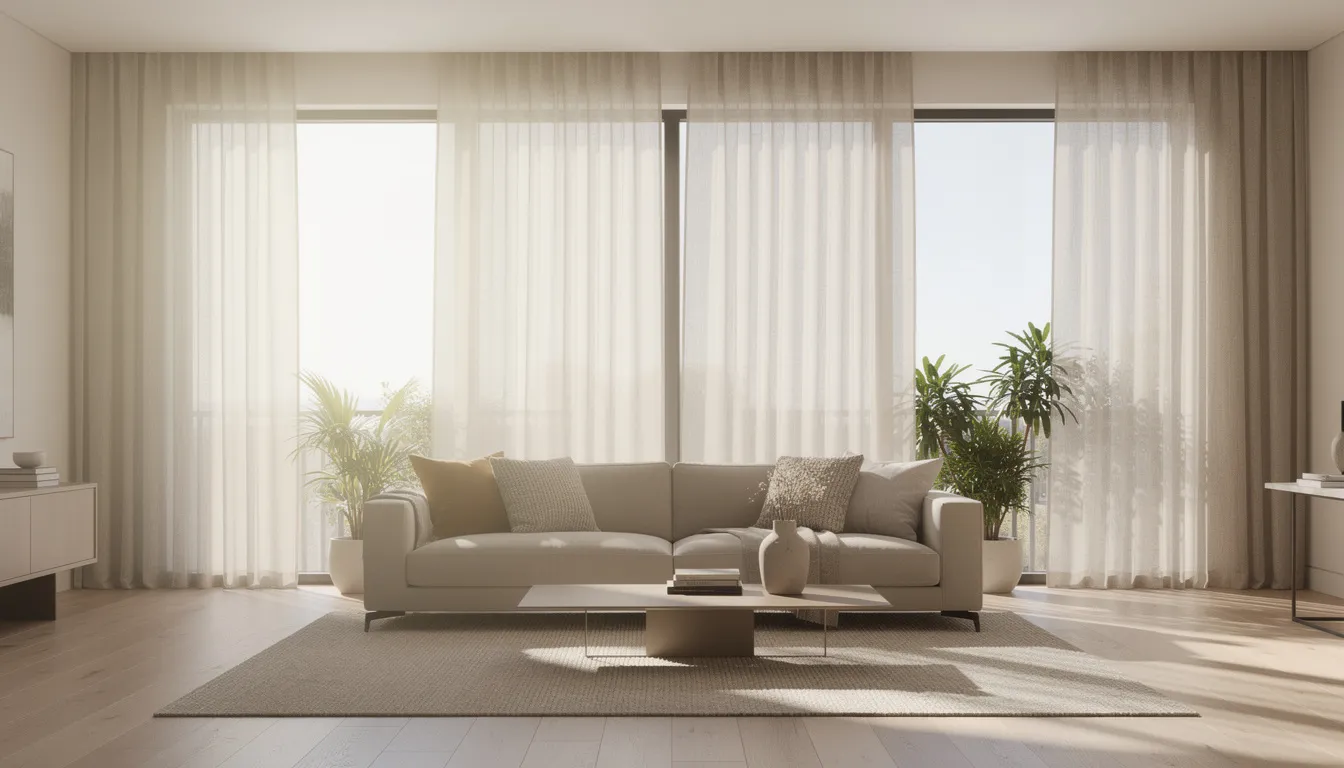
Linen’s visual character:
Linen shows its weave openly, with slight irregularities and texture variations called slubs that add depth and visual interest. The fabric has a natural luster that’s distinctly matte finish—not shiny, but alive with subtle surface variation. Linen drapes softly and relaxed, never stiff or artificial. Colours in linen tend to appear muted and earthy, even when dyed brightly, which complements neutral palettes, coastal aesthetics, Scandinavian minimalism, and rustic farmhouse styles. There’s a timeless appeal to well-used linen that synthetic alternatives struggle to replicate.
Polyester’s visual character:
Polyester offers a smoother, more uniform texture with a polished appearance that can include subtle sheen. The fabric takes dye exceptionally well, enabling very bright, saturated colours and sharp printed patterns that hold their intensity for years. Polyester works beautifully in modern interiors, minimalist spaces, and high-contrast designs. For formalwear that needs crisp pleats and structured lines, polyester maintains shape better than linen ever could.
“Linen look” polyester fabrics attempt to bridge this gap, mimicking linen’s textured weave at lower cost with better wrinkle resistance. These blends can work for budget-conscious décor, but they lack linen’s cool touch and won’t develop that beloved aging patina.
Choose linen when you want visible natural texture and effortless elegance that improves with age. Choose polyester when you prioritise bold colours, sharp tailoring, and clean, structured visual lines that stay consistent year after year.
Best Uses: When Linen Wins, When Polyester Wins
Here’s a practical cheat sheet translating all these comparisons into specific product recommendations.
Apparel guidance:
Linen excels for hot weather shirts, relaxed summer trousers, casual dresses, and resort wear where breathability matters and a lived-in look feels right. So linen wins whenever you need to stay cool and don’t mind some natural wrinkling.
Polyester wins for uniforms requiring consistent appearance, performance athletic wear engineered to wick moisture, easy-care office blouses, and travel clothing that needs to emerge from a suitcase ready to wear. Polyester shirts pack well and require no steaming.
Home textile guidance:
|
Product Category |
Choose Linen When… |
Choose Polyester When… |
|---|---|---|
|
Curtains |
You want breezy natural light, textured elegance, and warm climates |
You need blackout or thermal properties, rental properties, very sunny exposures |
|
Bedding |
You sleep hot, live in warm climates, or want year-round comfort |
You’re furnishing budget guest rooms or need quick drying convenience |
|
Tablecloths |
Formal dining, holiday tables, heirloom-quality pieces |
Family dinners with kids, outdoor entertaining, stain-prone situations |
|
Napkins |
Special occasions, elegant presentation |
Daily family use, catering-style needs |
|
Upholstery accents |
Textured throw pillows, light-use chairs |
High-traffic sofas, homes with pets |
Kitchen and dining guidance:
Linen offers a luxurious feel for formal dining settings—those perfectly imperfect napkins, tablecloths that improve with age, tea towels displayed for guests. Cotton curtains or cotton tablecloths share some of these qualities but with different texture.
Polyester handles the messier side of life: stain-resistant cloths for family dinners where red sauce flies, outdoor tablecloths exposed to weather, and any setup requiring frequent washing without fading.
Most households benefit from mixing the two strategically. Invest in key linen pieces where comfort and timeless aesthetics matter most, then rely on polyester or linen and polyester blends where durability and low cost take priority.
Frequently Asked Questions About Polyester vs Linen
Is Linen or Polyester Better for Hot, Humid Weather?
Linen is far better for hot climates because its natural structure allows air circulation, absorbs sweat, and releases moisture through evaporation. Standard polyester tends to trap heat and humidity against your skin, creating that sticky, clammy feeling nobody wants in summer. Unless you’re buying performance-engineered athletic polyester specifically designed to wick moisture, linen wins for warm weather clothing, bedding, and curtains in homes without heavy air conditioning.
Which Fabric Is More Wrinkle-Prone?
Linen wrinkles easily and quickly—sitting, folding, or even gentle breezes can introduce creases. However, many people embrace these wrinkles as part of linen’s relaxed, lived-in charm rather than fighting against them. Polyester stands out for natural wrinkle resistance; most polyester garments emerge from washing or suitcase storage looking smooth without ironing. For travel clothing, sharply tailored pieces, or situations requiring a consistently polished appearance, polyester proves more practical. Choose linen when casual elegance works; choose polyester when you need to look crisp.
Which Is Better for Sensitive or Allergy-Prone Skin?
Many people with sensitive skin find high-quality linen comfortable because it breathes well, regulates moisture naturally, and contains no synthetic fibers that might cause skin irritation. Linen allows sweat to evaporate rather than trapping it against skin. Polyester can trap heat and moisture, which may aggravate irritation for some users, particularly in warm weather or during sleep. Consider trying linen bedding if you overheat at night or react to synthetic fabrics. That said, finishing chemicals and dyes can cause reactions regardless of fiber type, so look for certified organic or minimally processed options when possible.
Do Linen or Polyester Fabrics Fade Over Time?
Linen gradually lightens and softens with repeated washing and sunlight exposure, developing a gently faded, vintage appearance that many owners consider beautiful. This evolution is part of linen’s character. Polyester demonstrates excellent color retention—bright, saturated hues can stay vivid for years even under strong sunlight from west-facing windows. Polyester stands as the better choice when long-term colour intensity matters, such as for other fabrics used in statement curtains or bold décor. Choose linen if you appreciate an evolving natural patina.
Can Linen and Polyester Be Blended, and Is It a Good Idea?
Linen-polyester blends are common and often represent a practical choice. These blends offer improved wrinkle resistance and enhanced durability compared to pure linen while retaining some of that natural texture people love. Blended fabrics typically cost less than 100% linen but feel more breathable and tactile than pure polyester. For busy homes that want a linen-like aesthetic—whether for curtains, tablecloths, or casual clothing—blends deliver easier care with smaller risk of damage. The right fabric often lies somewhere between pure options.
Conclusion: Matching Fabric to Your Priorities
No single fabric is universally “best.” The polyester vs linen choice depends entirely on what you prioritise: linen wins on breathability, natural texture, sustainability credentials, and developing elegance over time, while polyester wins on durability, low maintenance, colour intensity, and budget-friendliness.
The better fabric for you matches your actual lifestyle. Choose linen if you value that cool, breathable feeling against skin, appreciate textiles that become more beautiful with age, and care about environmental impact. Choose polyester if durability matters most, you have limited time for fabric care, you need bright colours that won’t fade, or budget constraints guide your decisions.
The smartest approach for most households isn’t choosing one over the other—it’s mixing strategically. Invest in linen where comfort and aesthetic appeal matter most: bedding you sleep in every night, summer clothing for hot days, tablecloths for occasions that deserve elegance. Rely on polyester in high-stress, budget-sensitive areas: kids’ rooms, rental properties, high-traffic upholstery, and windows that take harsh afternoon sun.
Understanding the real differences between these fabrics empowers you to make choices that last—not just through wash cycles, but through years of comfortable living. Personal preferences, climate, and practical needs all play roles; now you have the knowledge to match the right fabric to each situation in your wardrobe and home.