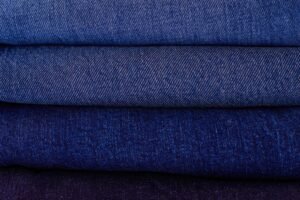
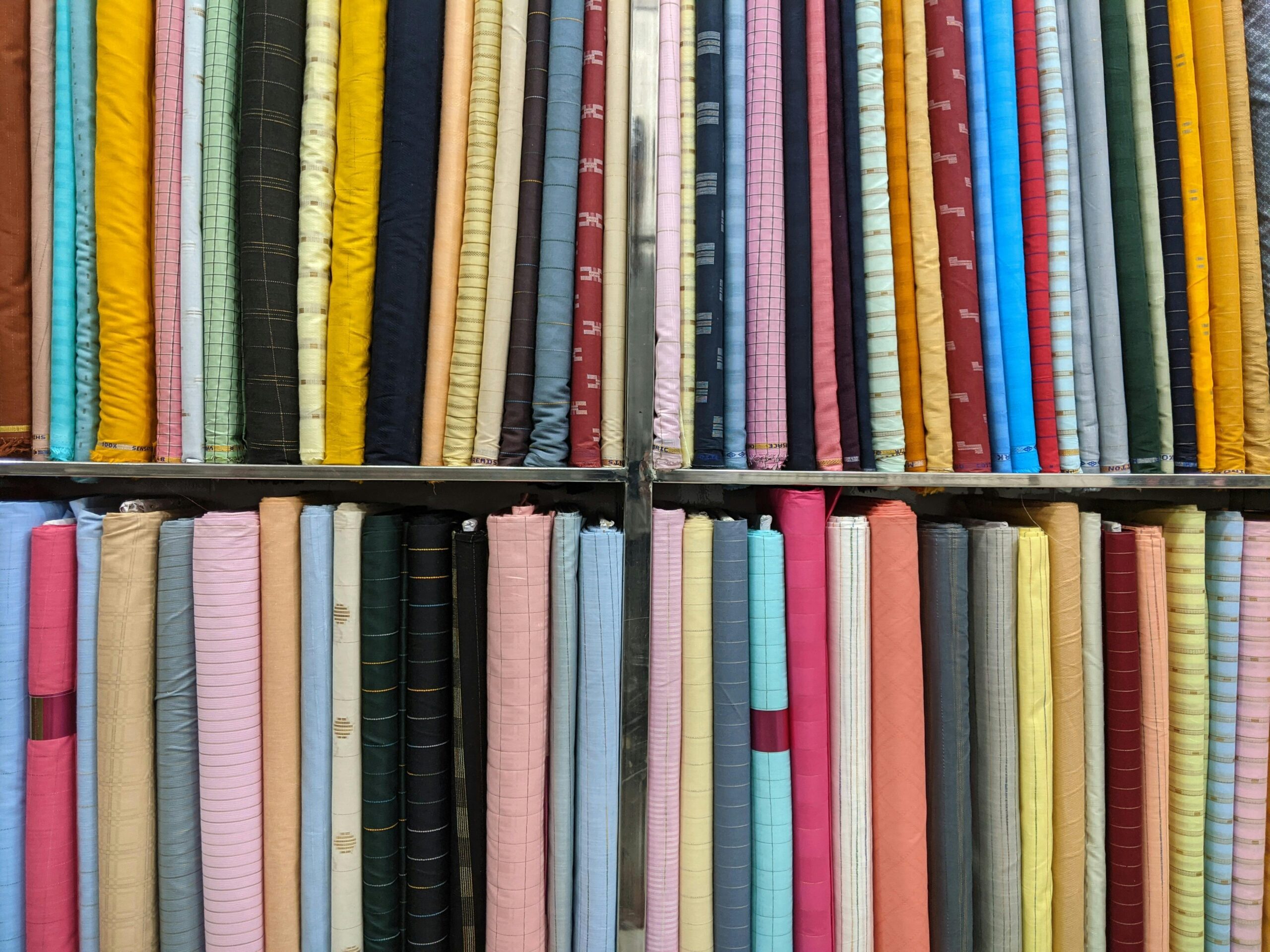
Nylon is generally stronger and more elastic, making it ideal for gear that needs to withstand abrasion and stress. Polyester is more UV-resistant, quicker-drying, and usually cheaper—perfect for everyday apparel and sun-exposed items.
If you’re like me and you sweat a lot from any sort of movement. Moving to polyester t-shirts for the gym has done wonders for me! I’ve moved all my gym gear to being polyester. If you want a little secret from me, choose a black polyester t-shirt to hide any sweat stains.
Here’s how these two synthetic materials stack up:
-
Strength: Nylon has higher tensile strength and superior abrasion resistance
-
Stretch: Nylon stretches more (20-30%) with better elastic recovery (98% vs 90%)
-
Water absorption: Nylon absorbs water at roughly 10x the rate of polyester
-
Drying time: Polyester dries faster due to its hydrophobic nature
-
UV resistance: Polyester handles prolonged sun exposure significantly better
-
Price range in 2026: Polyester remains the budget-friendly option; nylon commands a premium
-
Common uses: Polyester dominates T-shirts and jerseys; nylon leads in technical gear and hosiery
For everyday T-shirts and fashion items, polyester is typically your best bet—it’s affordable, holds color well, and resists wrinkles. For rugged backpacks and outdoor gear, choose nylon for its unmatched durability against scuffs and tears. High-sweat activewear often uses polyester or polyester-elastane blends because polyester dries faster and manages moisture wicking more effectively, though some premium yoga and studio wear uses nylon blends for their silky feel.
Both nylon and polyester fabrics now commonly come in recycled versions in 2026. Recycled polyester (rPET) made from plastic bottles and recycled nylon sourced from fishing nets and industrial waste have significantly improved the sustainability profile of these synthetic fibers compared to older virgin-only options.
Introduction
From the first nylon stockings in 1939 to the polyester leisure suits of the 1970s, these two synthetic polymers have dominated the textile industry for nearly a century. By 2026, nylon and polyester account for the vast majority of synthetic textiles produced globally, with polyester alone representing roughly half of all textile fiber production worldwide.
The main goal of this article is to help you choose the right fabric for clothes, outdoor gear, and home use based on performance, comfort, cost, and environmental impact. Whether you’re shopping for running shorts, a hiking backpack, or new curtains, understanding the real differences between these materials will save you money and frustration.
Both nylon and polyester are petroleum-based synthetic materials, but modern production and recycling practices are changing their environmental footprint. Recycled polyester from plastic bottles and regenerated nylon from discarded fishing nets represent genuine progress in reducing the impact of synthetic textiles.
This guide will compare fiber properties, comfort, use cases, care requirements, cost, and sustainability—then provide practical recommendations you can use the next time you’re reading a clothing label.
Nylon and Polyester: Fabric Basics
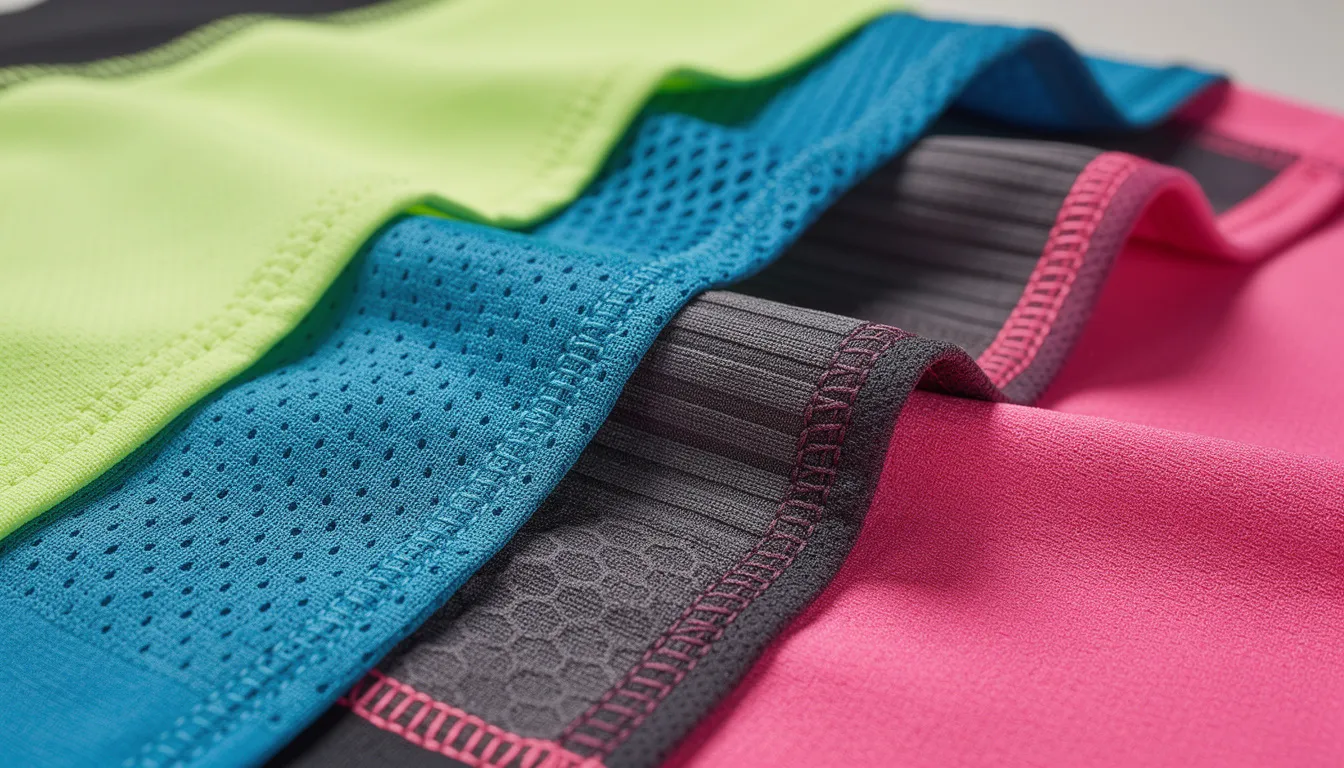
Both nylon and polyester are synthetic polymers, but their different chemical structures—polyamide chains versus polyester chains—create distinct performance characteristics. Understanding where these materials come from helps explain why they behave so differently in your wardrobe and gear closet.
Nylon, a member of the polyamide family, was invented by DuPont in the 1930s and first commercialized in 1938-1939. Its debut products were toothbrush bristles and women’s stockings, and it quickly became essential for WWII parachutes and military equipment. The molecular structure contains amide bonds (-NH-CO-) that give nylon its characteristic elasticity and strength.
Polyester is based on polyethylene terephthalate (PET)—chemically similar to plastic bottles. First produced in the 1940s, polyester was mass-adopted in apparel by the 1970s for its colorfast, wrinkle resistant properties. Its molecular structure contains ester bonds (-CO-O-) that create a more rigid, less elastic fiber.
By the early 2020s, polyester accounted for the majority of global synthetic fiber production—around half of all textile fiber. Nylon holds a smaller but important share, especially in performance gear and technical applications where its superior strength matters most.
Both fibers start as petrochemical liquids that are polymerized into long chains, then spun and drawn into filaments. These filaments can be woven or knitted into fabric, cut into staple fibers, or processed into specialized technical textiles.
What is Nylon?
Nylon is a family of polyamides—most commonly Nylon 6 and Nylon 6,6—known for exceptional tensile strength, elasticity, and abrasion resistance. The different types result from varying chemical inputs: Nylon 6 comes from caprolactam polymerization, while Nylon 6,6 is synthesized from hexamethylenediamine and adipic acid.
The signature feel of nylon fabric is usually smooth, slightly silky, and often carries a subtle sheen. This silky texture makes nylon fibers ideal for lingerie, hosiery, and premium activewear where comfort against skin matters.
Key physical traits of nylon include:
-
High strength-to-weight ratio
-
Excellent elasticity (can stretch 20-30% and recover)
-
Superior abrasion resistance with 98% elastic recovery rate
-
Moderate water absorption (typically 2-3.5% by weight)
-
Generally softer hand-feel than polyester
Concrete examples of nylon applications include yoga leggings, windbreakers, swimwear, backpacks, climbing ropes, and military-style outerwear. These products benefit from high-denier nylons that can withstand repeated stress and friction.
Nylon production is relatively energy-intensive and traditionally more expensive than polyester. This cost difference explains why manufacturers use nylon selectively in high-performance items rather than basic everyday wear.
What is Polyester?
Polyester is a PET-based synthetic fiber, chemically similar to the plastic bottles you recycle every week. It’s known for being hydrophobic, dimensionally stable, and cost-effective—properties that have made it the world’s most-produced synthetic fiber.
The typical feel of polyester fabrics can range from slightly crisp and less silky than nylon to extremely soft in modern microfiber constructions. While naturally less lustrous than nylon, polyester is highly tunable with various finishing treatments that can create almost any texture.
Key physical traits of polyester include:
-
Low water absorption (around 0.4% by weight)
-
Very quick drying properties
-
Good wrinkle resistant properties
-
Strong color retention through the dyeing process
-
Solid UV resistance for outdoor applications
-
Dimensional stability under stress
Common polyester products include graphic T-shirts, team jerseys, athleisure sets, fleece midlayers, budget outerwear shells, and home textiles like curtains and bed linens. Polyester excels in these applications because it holds prints well, resists fading, and costs less to produce.
Polyester dominates fast fashion and sports apparel because of its low cost, easy dyeing, and robust global recycling infrastructure. Recycled polyester made from post-consumer plastic bottles is now standard in many brands’ sustainability initiatives.
Key Differences Between Nylon and Polyester
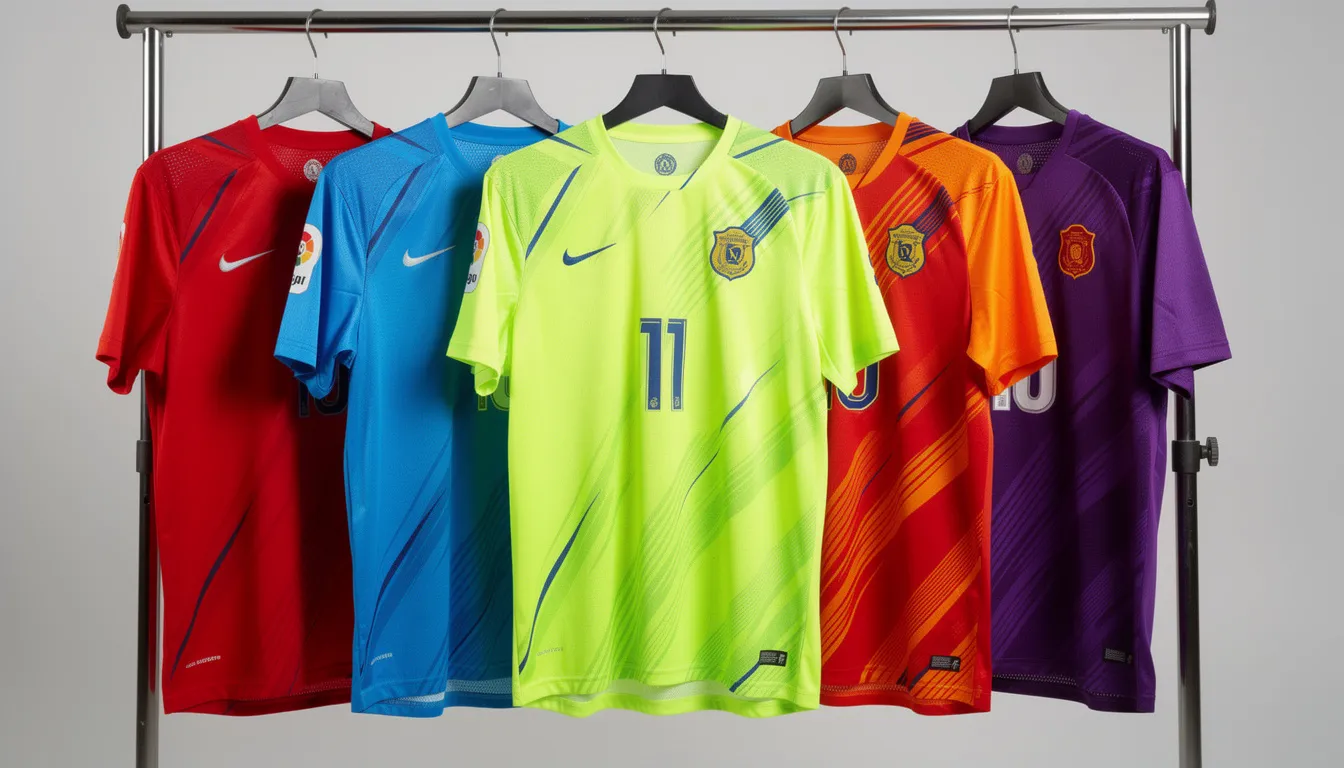
Although both nylon and polyester are durable synthetic fabrics, they diverge significantly in strength, stretch, water behavior, heat tolerance, UV resistance, and price. These differences matter when you’re choosing between a nylon shell jacket and a polyester one, or deciding which fiber works best for your workout gear – this is what I was talking about.
There’s no single “winner” in the nylon vs polyester comparison. The best choice depends on whether your priority is maximum toughness, quick drying performance, soft hand-feel, sun exposure resistance, or staying within budget.
The following subsections break down these differences into practical categories: durability, moisture behavior, heat and UV resistance, feel, comfort, and care.
Durability, Strength, and Abrasion Resistance
Both nylon and polyester are durable, but nylon typically leads in raw strength and abrasion resistance, especially in higher denier fabrics. This advantage becomes most apparent in products subjected to heavy wear, scraping, or loading.
Nylon’s molecular structure (polyamide chains with hydrogen bonding) gives it exceptional tensile strength and the ability to stretch 20-30% and bounce back without permanent deformation. This elasticity, combined with its abrasion resistant properties, makes nylon the go-to choice for high-stress applications.
Polyester is strong and long-lasting, but less stretchy and slightly less wear resistant at the same denier. In comparable tests, nylon typically outlasts polyester when subjected to repeated friction and mechanical stress.
|
Application |
Preferred Fiber |
Why |
|---|---|---|
|
1000D backpacks |
Nylon |
Better scuff and tear resistance |
|
Heavy-duty luggage |
Nylon |
Handles dragging and loading |
|
Tactical vests |
Nylon |
Superior abrasion resistance |
|
Climbing gear |
Nylon |
High tensile strength |
|
Sun-exposed covers |
Polyester |
Better UV and moisture resistance |
For everyday T-shirts or dresses, this extreme durability difference matters far less than it does for outdoor gear and industrial uses. You won’t notice the strength gap in a casual blouse—but you’ll definitely notice it in a backpack after a few years of heavy use.
Water Absorption and Drying Time
Moisture behavior represents one of the biggest everyday differences between nylon and polyester. Understanding how each fiber interacts with water helps explain why certain athletic wear performs better than others.
Nylon absorbs water at roughly 10 times the rate of polyester. The numbers tell the story: polyester absorbs about 0.4% of its weight in water, while nylon absorbs around 2-3.5%. When nylon gets wet, it can expand up to 3.5%, affecting garment fit and feel.
The practical effects are noticeable:
-
Nylon garments feel heavier when wet
-
Nylon takes considerably longer to dry
-
Polyester dries faster and stays lighter during activity – exactly what I need
-
Polyester absorbs less and repels moisture more effectively.
Both nylon and polyester can be engineered for moisture wicking, but high-performance sportswear in 2026 still tends to favor polyester (often blended with elastane) for rapid sweat evaporation. Moisture wicking fabrics work by moving sweat away from skin to the fabric surface where it can evaporate—and polyester’s hydrophobic nature makes this process more efficient.
For humid climates or multi-day trips, polyester base layers and T-shirts dry overnight more reliably than comparable nylon pieces.
Heat, UV Resistance, and Care Sensitivity
Polyester generally tolerates higher heat and UV exposure better than nylon, affecting both outdoor performance and laundry care routines. I remember our trip to Greece, most of what I packed was Polyester because I knew we were going to be doing a lot of walking and hiking.
Approximate melting points tell part of the story:
-
Polyester: around 200-260°C
-
Nylon: around 190-238°C (varies by type)
Nylon melts at a lower temperature and can deform under sustained heat exposure. Unprotected nylon fibers can lose significant strength after extended sun exposure (hundreds of hours), while polyester retains both color and strength better under the same conditions.
Real-world applications reflect this difference. Polyester is often used for flags, patio cushions, sail covers, and tent flies that sit in the sun for extended periods. Nylon is more common for packs and jackets that receive intermittent sun but face more mechanical wear.
Care differences matter for longevity:
-
Polyester can usually handle warmer wash and tumble-dry settings
-
Nylon should be washed on a low heat setting and dried on low to avoid damage
-
Avoid fabric softener on both—it can reduce moisture management properties
-
Polyester is generally more heat resistant during ironing
Feel, Texture, and Comfort on Skin
Nylon’s tactile qualities give it a characteristic silky feel against skin. This makes it popular for hosiery, lingerie, stretchy leggings, and fitted tops where the fabric touches bare skin throughout the day.
Polyester historically felt stiffer, but modern technologies have transformed its hand-feel. Microfiber yarns and brushed knits have made polyester smoother and more cotton-like in sports tees and casualwear. Many people can’t distinguish high-quality polyester from cotton by touch alone.
Key comfort differences:
|
Factor |
Nylon |
Polyester |
|---|---|---|
|
Softness |
Naturally silkier |
Varies by construction |
|
Cling when damp |
More clingy |
Less clingy |
|
Warmth |
Slightly warmer |
Can feel cooler |
|
Breathability |
Depends on weave |
Depends on weave |
Breathability is mostly determined by fabric construction—weave or knit type, weight, and finishes—rather than fiber alone. However, in similar constructions, polyester usually handles sweat evaporation better because it doesn’t absorb moisture.
Typical comfort-based choices: nylon for silky, body-hugging garments like leggings and foundation garments; polyester for light, airy sports tops and everyday wear, especially in hot, sweaty environments.
Applications and Uses of Nylon vs Polyester
Both nylon and polyester fibers are extremely versatile and often blended together, but each dominates in particular categories because of its unique strengths. Understanding these applications helps you make better purchasing decisions.
The following subsections cover synthetic clothing, industrial uses, and home furnishings to provide concrete examples beyond technical specifications.
Clothing and Activewear
Polyester is the default fiber for many mass-market garments in 2026: T-shirts with printed graphics, team jerseys, hoodies, joggers, fashion dresses, and budget outerwear. Clothing manufacturers favor polyester for its low cost, easy coloring, and wrinkle resistant properties.
Nylon’s key clothing niches include:
-
Performance leggings and compression shorts
-
Swimwear
-
Lingerie and hosiery
-
Fitted windbreakers
-
High-stretch activewear requiring elasticity and smooth feel
Activity-based guidance for sports apparel:
|
Activity |
Recommended Fiber |
Reason |
|---|---|---|
|
Running, football, gym |
Polyester-spandex blends |
Fast drying, moisture management |
|
Yoga, pilates, studio |
Nylon-spandex blends |
Softness, stretch, silky texture |
|
Swimming |
Nylon blends |
Chlorine resistance, elasticity |
|
Everyday wear |
Polyester |
Cost, durability, easy care |
Many premium outdoor jackets and pants use nylon shells for abrasion resistance, sometimes with a polyester lining for comfort and moisture management. The widespread use of blends (nylon-polyester-elastane) allows brands to combine properties: nylon for toughness, polyester for quick drying, and elastane for stretch.

Industrial and Technical Applications
Nylon’s major industrial roles leverage its exceptional tensile strength and abrasion resistance. Common applications include:
-
Tire cords
-
Seat belts
-
Climbing ropes
-
Parachute lines
-
Conveyor belts
-
Heavy-duty webbing
Polyester’s strengths shine in applications requiring dimensional stability and environmental resistance: sails, geotextiles, outdoor banners, industrial filters, and automotive upholstery. When synthetic textiles need to withstand continuous outdoor exposure, polyester typically wins.
Nylon is commonly used in Cordura-type fabrics and ballistic nylons for luggage, military packs, and protective gear. These materials can endure extreme mechanical stress over years of heavy use.
Polyester is often chosen for marine covers, tarps, and tent fly fabrics with waterproof coatings—applications where continuous sun and moisture exposure are expected. For sleeping bags, both nylon shells (for durability) and polyester insulation (for loft retention) are common.
In most industrial contexts, the choice comes down to the dominant stress: high mechanical wear favors nylon, while long-term UV and moisture exposure favors polyester.
Home Furnishings and Carpets
Both nylon and polyester appear widely in homes: curtains, upholstery, bedspreads, cushions, and decorative textiles. Their wrinkle resistance and durability make them practical choices for everyday living.
Carpet usage shows clear distinctions:
|
Carpet Type |
Best For |
Trade-offs |
|---|---|---|
|
Nylon carpet |
Hallways, stairs, busy living rooms |
Higher cost, superior resilience |
|
Polyester carpet |
Bedrooms, guest rooms, low-traffic areas |
Lower cost, may crush faster |
Nylon carpets are typically more durable and resilient under heavy foot traffic. Polyester carpets offer vibrant colors, strong stain resistance, and lower cost but may wear and crush faster in high-traffic areas.
Polyester in home textiles takes advantage of its colorfastness and UV resistance, helping fabrics resist fading near windows. Both nylon and polyester are relatively hypoallergenic, repelling common allergens like dust mites more effectively than many natural fibers.
Comfort, Wearability, and Skin Feel
Beyond lab properties, how nylon and polyester feel during daily wear—especially in heat or during exercise—is what most people actually care about. Comfort is a combination of fiber choice, fabric construction, garment design, and fit, but fiber selection still plays a noticeable role in sweat management and tactile experience.
Texture, Breathability, and Movement
Nylon’s silky smoothness and stretch create a second-skin feel in leggings, tights, and base layers. Many wearers perceive nylon as more “luxurious” against bare skin, which explains its dominance in premium intimate apparel and high-end activewear.
Polyester may feel slightly rougher in low-cost garments but can be extremely soft in brushed fleece, microfibers, and high-end sports tees. The difference often comes down to fabric quality and finishing rather than the fiber itself.
Both nylon and polyester are inherently non-breathable as plastic compounds. Breathability mainly comes from:
-
Fabric thickness and weight
-
Openness of the knit or weave
-
Mesh panels or laser-cut vents
-
Moisture-wicking treatments
Polyester is often combined with mesh constructions and ventilation panels to enhance airflow in running and training apparel. When shopping for hot-weather comfort, evaluate not just the fiber on the label but also fabric weight, thickness, and presence of mesh or vents.
Moisture Management and Odor
Polyester generally excels at moisture wicking and fast drying, making it less likely to feel clammy during exercise. However, polyester can retain body oils and develop persistent odors over time—a common complaint among active wearers.
Nylon absorbs more water and can feel slightly more humid against skin in very sweaty conditions. Interestingly, nylon sometimes traps less odor than polyester in long-term use, though results vary by individual body chemistry.
Many modern sports fabrics (both nylon and polyester) use antimicrobial or anti-odor treatments. These finishes can influence how fresh garments stay between washes, but they don’t eliminate odor concerns entirely.
Practical tips for managing odor in synthetic clothing:
-
Experiment with different fabrics and blends (including merino wool blends)
-
Wash in cool or warm water, not hot
-
Avoid fabric softener, which coats fibers and traps odors
-
Consider specialized sports detergents
-
Line-dry when possible to extend garment life
Environmental Impact and Sustainability
Both nylon and polyester are petrochemical-based and non-biodegradable, presenting real challenges in terms of carbon emissions, landfill persistence, and microplastic pollution. Neither fabric is “green” by default, but recycled variants and improved manufacturing practices are reducing their environmental impact compared to earlier decades.
Understanding production impacts, recycling options, and long-term environmental concerns helps you make more responsible purchasing choices.
Production, Energy Use, and Emissions
Nylon production is relatively energy-intensive. The manufacturing process historically emits nitrous oxide—a potent greenhouse gas roughly 300 times more warming than CO2—making virgin nylon particularly impactful per kilogram produced.
Polyester production typically uses less energy and water than nylon but still relies heavily on fossil fuels. The environmental impact of virgin polyester remains significant, consuming large quantities of non-renewable petroleum resources.
Both fibers can contribute to water pollution through dyeing and finishing processes. Acid dyes used for nylon and disperse dyes used for polyester require different processing temperatures and chemicals. Wastewater treatment varies widely by facility, with weaker environmental regulations in some manufacturing regions allowing greater pollution.
Ways to reduce production impact:
-
Choose garments made in facilities with certified environmental management (bluesign, OEKO-TEX, GRS)
-
Look for recycled content certifications
-
Prioritize durability over price—longevity reduces overall impact
-
Support brands transparent about their manufacturing locations and practices
A durable synthetic garment worn frequently for many years may have a lower overall impact than a short-lived item in a theoretically “greener” material.
Recycling, Recycled Fibers, and Microplastics
Polyester has a relatively mature recycling ecosystem. Recycled polyester fibers made from post-consumer plastic bottles and textile waste are widely available in clothing and gear by 2026. Many major brands now use rPET as standard in their product lines.
Recycled polyester can reduce energy use by 30-50% and significantly lower greenhouse gas emissions compared to virgin polyester. However, recycling doesn’t stop microplastic shedding—recycled fibers release microplastics just like virgin ones.
Recycled nylon sources include:
-
Discarded fishing nets
-
Fabric scraps from manufacturing
-
Industrial waste
-
Post-consumer textile recovery
While recycling nylon is more chemically complex than polyester, recycled materials from nylon are increasingly common in premium activewear and outdoor gear. Brands like those using ECONYL regenerated nylon have helped normalize recycled nylon in the market.
Microfiber shedding remains an ongoing global environmental concern. Both nylon and polyester release microplastics during washing, which can reach waterways and oceans. Studies suggest synthetic clothing releases hundreds of thousands of microfibers per wash cycle.
Practical mitigation tips:
-
Use microfiber-catching laundry bags or filters
-
Wash on gentler, shorter cycles with less energy
-
Line-dry when possible
-
Wash synthetic items less frequently when practical
-
Choose tightly-woven fabrics that shed less
Cost and Value: Nylon vs Polyester in Your Budget
Nylon typically costs more to produce than polyester, and this usually shows up in retail pricing, especially for technical gear. Understanding why helps you evaluate whether the premium is worth it for your specific needs.
Price should be weighed against performance requirements and expected lifespan, not just the initial purchase cost.
Price Ranges and What You Get for Your Money
Typical raw-fiber cost positioning:
-
Virgin polyester: Generally the lower end of synthetic fiber prices
-
Virgin nylon: Usually higher per kilogram due to more complex chemistry and higher energy use
-
Recycled versions: Sometimes slightly more expensive than budget virgin fibers
For consumer garments, this translates directly to shelf prices. Nylon-based technical pieces—premium hiking pants, climbing shells, durable backpacks—are often noticeably more expensive than similar polyester items.
Higher-end brands increasingly adopt rPET and recycled nylon as standard in 2026, sometimes absorbing the cost difference as part of their sustainability positioning.
For basic T-shirts and casual apparel, polyester is almost always the most economical choice. Nylon is rarely used for low-cost basics because its price doesn’t make economic sense for everyday wear applications.
Think in terms of cost-per-wear: a more expensive, durable nylon shell or backpack can be better value over 5-10 years than multiple cheaper polyester replacements.
Factors That Influence Final Garment Cost
Key cost drivers beyond raw fiber:
-
Fabric weight and denier: Higher denier = more material = higher cost
-
Special coatings: Waterproof and breathable membranes add significant cost
-
Technical constructions: Reinforced seams, specialized weaves
-
Brand positioning: Premium brands command premium prices
-
Country of manufacture: Labor and regulation costs vary
-
Certifications: Environmental and ethical certifications may increase cost
High-denier nylon fabrics (420D, 840D, 1000D) and ballistic weaves used in luggage and outdoor gear significantly increase price but dramatically improve toughness. These materials represent higher heat tolerance and wear resistance.
Prints and colors are often more economical on polyester because it dyes and sublimation-prints easily at high heat, reducing manufacturing time and cost. This explains why polyester dominates printed fashion and branded athletic wear.
Small brands and ethical producers using certified recycled fibers, fair wages, and responsible dye houses may price garments higher regardless of whether they use nylon or polyester.
Look beyond the hangtag fiber name. Check weight, construction, features, and sustainability certifications to understand why one item costs more than another.
Nylon and Polyester Alternatives
Although nylon and polyester dominate synthetic textiles, many buyers now explore alternatives for environmental, comfort, or aesthetic reasons. Alternatives may trade some durability or care simplicity for improved eco-credentials or different performance characteristics.
Natural Fiber Alternatives
Cotton remains the most common natural fabrics alternative—breathable, widely available, and often blended with polyester for softness and moisture absorption. However, conventional cotton cultivation is water- and pesticide-intensive, making organic cotton the more sustainable choice.
Bamboo-derived viscose and lyocell fibers offer softness, moisture absorbing properties, and comfortable wear. Environmental impact varies significantly by processing method: closed-loop lyocell (like Tencel) is preferable to traditional viscose, which uses harsh chemicals.
Other natural fibers worth considering:
-
Hemp and linen (flax): Strong, breathable, relatively low-input crops valued for natural texture and durability in casualwear
-
Wool and merino wool: Excellent thermoregulation and odor resistance, popular for base layers and socks, though requiring more delicate care
-
Organic cotton: Lower environmental impact than conventional cotton
Natural fibers are generally more biodegradable but may not match nylon or polyester in abrasion resistance, stretch recovery, or speed of drying. They work best when performance requirements are moderate.
Other Synthetic and Semi-Synthetic Options
Elastane/spandex (Lycra) is a high-stretch synthetic often blended at 5-20% with nylon or polyester to add comfort and flexibility in activewear and fitted garments. It’s rarely used alone but dramatically improves movement in blends.
Other options include:
-
Acrylic: Lightweight, warm synthetic often used as a wool substitute in knitwear; less durable and more prone to pilling than polyester
-
Modal, lyocell, viscose: Semi-synthetic cellulosic fibers offering soft hand and good drape for fashion; less robust and slower-drying than pure synthetics
-
Merino-nylon blends: Combine natural comfort with synthetic durability and drying time
Many modern high performance gear items combine natural and synthetic fibers to balance comfort, durability, and moisture management. A merino-nylon hiking sock, for example, offers better odor resistance than pure synthetics with more durability than pure wool.
For lower-impact options, look for certified fibers: FSC or PEFC for cellulose-based fibers, organic certifications for natural materials, and verified recycled content for synthetics.
Conclusion: How to Choose Between Nylon and Polyester
Comparing nylon vs polyester ultimately comes down to matching fiber properties to your specific needs. Nylon leads in strength, stretch, and abrasion resistance—it’s the tougher, more elastic option. Polyester offers better UV resistance, quick drying performance, and affordability for the same material weight.
Choose nylon for:
-
Rugged backpacks and luggage
-
Durable outer shells and outdoor clothing
-
Silky leggings and fitted activewear
-
High-stress gear like climbing equipment
-
Swimwear and items requiring elasticity
Choose polyester for:
-
Everyday wear T-shirts and casual apparel
-
Sports jerseys and team uniforms
-
Quick drying base layers
-
Sun-exposed outdoor fabrics
-
Budget-conscious purchases
Recycled versions of both nylon and polyester are preferable from a sustainability standpoint, as long as the garment is well-made and used for many years. The most sustainable garment is often the one you wear frequently for a decade, regardless of fiber type.
Consider your climate, activity level, budget, and environmental priorities when reading care labels and fiber content tags. Pay attention to fabric weight, construction features, and any sustainability certifications beyond just the fiber name.
For most wardrobes in 2026, a mix of nylon, polyester, and thoughtfully chosen natural or semi-synthetic fibers will provide the best balance of performance, comfort, and responsibility.
FAQ: Nylon vs Polyester
Is nylon stronger than polyester?
Yes, nylon typically has higher tensile strength and significantly better abrasion resistance than polyester at the same fabric weight. This is why nylon dominates in climbing ropes, seat belts, and heavy-duty backpacks. For everyday clothing where extreme strength isn’t needed, the difference is less meaningful.
Which is better for activewear?
It depends on the activity. Polyester-spandex blends are generally better for high-intensity activities like running, HIIT, and gym training because polyester dries faster and manages moisture more effectively. Nylon-spandex blends work better for yoga, pilates, and studio workouts where the silky texture and stretch of nylon improve comfort and movement.
Which handles sun and rain better for outdoor use?
Polyester handles both sun and rain better overall. Its superior UV resistance means it retains color and strength during extended sun exposure—ideal for patio cushions, flags, and tent flies. Its hydrophobic nature means it absorbs minimal water and dries quickly after rain. Nylon is preferred when abrasion resistance matters more than weather exposure.
Which fabric is more eco-friendly?
Neither is inherently eco-friendly—both are petroleum-based and non-biodegradable. However, polyester has a more developed recycling infrastructure, with recycled polyester (rPET) made from plastic bottles widely available. Recycled nylon exists but is less common. Both fibers shed microplastics. Choose recycled materials versions when possible and prioritize garment longevity over fiber type.
Why is nylon often more expensive than polyester?
Nylon production requires more complex chemistry and is more energy-intensive, driving up raw material costs. Additionally, nylon’s superior performance properties (strength, elasticity, abrasion resistance) make it the preferred choice for technical gear, allowing brands to charge premium prices. Polyester’s simpler, lower-cost production makes it economical for mass-market apparel where extreme durability isn’t required.
Remember: reading product descriptions and care labels reveals whether an item uses recycled fibers, UV treatments, or special coatings that affect real-world performance beyond the basic fiber type.