

Polyester isn’t acutely toxic for most people, but it’s often irritating, uncomfortable, and problematic for long-term skin health. The short answer is: yes, wearing polyester can be bad for your skin, though the severity depends on your skin type, the climate you live in, and how the garment was manufactured.
Here’s the core issue: polyester is a plastic-based fabric that traps heat and sweat against your skin rather than allowing it to evaporate naturally. This creates a warm, humid microenvironment that can trigger acne, body odor, and irritation—especially in hot weather, during exercise, or for people with sensitive skin or eczema. Add to that the chemical finishes commonly applied to polyester clothes (dyes, wrinkle resistant coatings, stain repellents), and you’ve got a recipe for discomfort.
Natural fabrics like cotton and linen generally feel gentler, more breathable, and are better everyday choices for skin health. But you don’t need to throw away every polyester item in your closet immediately. From my experience, it’s just about when and how polyester can be an issue—and making smarter choices about what touches your skin.
Key takeaways for skimmers:
Polyester can irritate skin by trapping moisture, heat, and bacteria
Chemical treatments on synthetic fabrics may cause or worsen rashes
People with eczema, allergies, or very sensitive skin are at higher risk
Natural fibers like cotton and linen are generally safer for everyday wear
Strategic choices (fit, fabric blends, washing habits) can reduce irritation
What Polyester Actually Is (and Why It Matters for Your Skin)
Polyester is made from polyethylene terephthalate (PET)—the same plastic polymer used in drink bottles and food packaging. Developed in the mid-20th century, it quickly became a fashion industry staple because it’s cheap, durable, wrinkle resistant, and easy to mass-produce.
The manufacturing process involves melting PET plastic and extruding it into fine filaments, which are then spun into yarn and woven into fabric. This plastic origin is precisely why polyester behaves so differently from natural fibers like cotton or linen on your skin.
Unlike natural fibers, polyester is hydrophobic—meaning it repels water rather than absorbing it. While this sounds like a good thing for moisture wicking, the reality is more complicated. Polyester fabric moves sweat across its surface but doesn’t actually absorb or evaporate it effectively, leaving you feeling clammy rather than dry.
What this means for your skin:
The plastic structure prevents air circulation, so your skin can’t breathe properly
Heat and humidity build up against your body, creating an ideal environment for bacteria and irritation
Synthetic fibers have smooth surfaces that bacteria cling to differently than natural materials
The fabric itself plus any chemical treatments (dyes, resins, PFAS, formaldehyde residues) both contribute to potential skin problems
The distinction between the polyester fiber itself and the chemicals applied during manufacturing is important. Both can affect your skin—sometimes independently, sometimes together.
How Polyester Can Affect Your Skin Day to Day
Most complaints about polyester center on comfort and irritation rather than severe disease. That sticky, uncomfortable feeling when you’re overdressed in synthetics on hot days isn’t dangerous—but it can absolutely impact your quality of life and, over time, your skin health.
Problems are more likely to surface in warm climates, during exercise, under tight clothing, or for those with acne-prone, eczema-prone, or generally reactive skin. If you’ve ever wondered why certain clothes seem to make you itchier, sweatier, or more prone to breakouts, polyester clothing might be the common denominator.
This section covers the main skin-related issues:
Heat, sweat, and poor breathability
Acne, folliculitis, and “sweat breakouts”
Odor retention and bacterial build-up
Contact dermatitis and allergic reactions
Flare-ups of existing conditions like eczema and psoriasis
Heat, Sweat & Poor Breathability
Polyester fibers don’t breathe like cotton or linen. Instead of allowing warm air and moisture to escape, they trap it against your skin. This creates that familiar clammy, sticky sensation—especially in areas like underarms, the waistband, bra line, backs of knees, and the one I struggle with the most – inner thighs.
In hot, humid conditions, this trapped heat can lead to prickly heat (miliaria), flushing, and general discomfort. Tight synthetic leggings, sports bras, and compression gear are particularly problematic because they press the non-breathable material firmly against your skin.
Common scenarios where this becomes obvious:
Office wear: Polyester blouses and lined suits that leave you sweaty by midday
Gym clothes: Workout leggings that feel suffocating during August HIIT sessions
Synthetic pajamas: Waking up damp and uncomfortable after sleeping in polyester nightwear
Travel: Long flights or car rides in clingy synthetic clothes
Try a simple real-life test: on a warm day, wear a polyester top in the morning and switch to a loose cotton or linen shirt in the afternoon. Most people notice an immediate difference in how cool and comfortable their skin feels.

Acne, Folliculitis & “Sweat Breakouts”
When sweat and oil are held against the skin by non-breathable fabric, pores and hair follicles can become clogged. This contributes to body acne on the back, chest, and buttocks, as well as folliculitis (inflamed hair follicles that look like small red bumps or pimples).
This is particularly common with tight synthetic activewear, sports bras, and compression leggings worn for extended periods—especially if you don’t change out of them soon after workouts.
Polyester itself isn’t “toxic” to pores. The problem is the micro-environment it creates: warm, moist, with minimal airflow. Acne-causing bacteria and yeast thrive in exactly these conditions.
Everyday examples:
Spin class or hot yoga where you sweat heavily in synthetic leggings
Long flights in tight activewear or polyester-blend pants
Wearing gym clothes for errands after a workout instead of changing
Sleeping in sweaty synthetic clothes after an evening run
Skin-friendly habits to consider:
Shower and change promptly after exercise
Alternate with cotton or linen layers when possible
Avoid sleeping in sweaty synthetic clothes
Choose looser fits for everyday wear
Odor Retention & Bacteria Build-Up
Synthetic fibers have a reputation for holding onto odor—and there’s solid science behind it. Research shows that polyester clothing harbors more odor-producing bacteria (specifically micrococci and corynebacteria) than cotton, which tends to support more skin-friendly commensal microbiota.
You’ve probably experienced this yourself: polyester gym tops that still smell “used” even right after washing, compared with cotton tees that freshen up easily. Studies have found that synthetic fabrics can retain up to three times more odor than natural fabrics.
Even from my experience, coming back from the gym. I have to hang my gym clothes for a little bit before throwing them in the hamper because it will stink everything else up really bad.
Odor itself isn’t dangerous, but it signals prolonged bacterial growth and contact with sweaty fabric. This can aggravate irritation, chafing, or infections in skin folds—particularly under breasts, in the groin area, or between toes.
Practical adjustments:
Rotate clothes to avoid wearing the same synthetic item multiple days in a row
Wash activewear promptly after use rather than letting it sit in a gym bag
Choose more breathable fabrics for people struggling with persistent body odor
Consider that the smell-retention issue reflects what’s happening on your skin microbiome
Repeatedly wearing unbreathable synthetic materials might chronically disrupt your skin microbiome balance, potentially making you more prone to odor and various skin disorders over time.
Contact Dermatitis & Allergic Reactions
There’s an important difference between general irritation (redness and itching from friction, heat, or moisture) and true allergic contact dermatitis (an immune reaction to specific chemicals in the fabric).
Textile dermatitis—skin irritation caused directly by clothing—is particularly associated with synthetic fibers that prevent skin from breathing. But the chemicals used in polyester production and finishing can also trigger genuine allergic reactions in some people.
Common chemical culprits:
Disperse dyes (especially in dark or vivid colors)
Formaldehyde-based resins for wrinkle resistant finishes
Certain softeners and anti-static treatments
Stain-repellent finishes
Nickel or rubber components in trim and elastics
Typical signs of textile-related contact dermatitis:
Sharply outlined itchy patches where fabric touches skin
Rashes under bra straps, waistbands, or inner arms from tight tops
Irritation behind knees from synthetic leggings
Symptoms that improve when switching to other fabrics
If you suspect a fabric allergy, patch testing with a dermatologist can identify specific chemicals responsible. Switching to undyed or light-colored natural fibers often brings quick relief. It’s always important to consult a dermatologist as they have experience in this field.
Flare-Ups of Eczema, Psoriasis & Sensitive Skin
People with atopic dermatitis (eczema), psoriasis, rosacea, or generally reactive skin have a weakened skin barrier. This makes them more vulnerable to irritation from friction, heat, and harsh chemicals—all potential consequences of wearing polyester.
Guidelines from dermatology organizations often recommend soft, breathable natural fibers (like cotton and linen) for eczema patients and advise caution with rough wool and tight synthetic materials.
Research has shown that organic cotton is gentler on affected skin and supports the skin microbiome balance often disrupted in atopic dermatitis patients. In contrast, polyester, nylon, rayon, and spandex carry demonstrably higher risk of provoking skin disorders and aggravating eczema.
Practical strategies for sensitive skin:
Choose tag-less garments or turn them inside-out to avoid seam irritation
Wear ultra-soft cotton or linen layers under any synthetic piece
Avoid long overnight wear of polyester pajamas
Be especially careful with polyester around elbows, behind knees, and around the neck—common eczema trigger zones
Many people with eczema notice immediate comfort differences when switching from synthetics to natural fibers. If you’ve been struggling with unexplained flare-ups, your wardrobe is worth examining.
Chemicals in Polyester: What’s Touching Your Skin?
Your skin—your body’s largest organ—isn’t just exposed to the polyester fiber itself. It’s also in contact with everything added during manufacturing, dyeing, and finishing.
Not all polyester clothing is treated the same way. A basic polyester t-shirt might have minimal finishes, while high-performance activewear marketed as stain-resistant, wrinkle resistant, or moisture wicking often carries more complex chemistry.
The substances of concern include:
PFAS (“forever chemicals”) for water repellency
Formaldehyde resins for wrinkle resistance
Antimony catalysts from polyester production
Azo dyes that can release harmful compounds
Flame retardants in certain garments
Scientific evidence about long-term systemic effects from clothing exposure is still evolving. However, minimizing unnecessary contact with toxic chemicals is a reasonable precaution for anyone concerned about skin health—especially for babies, people with multiple chemical sensitivities, and those with chronic skin conditions.
Dyes, Resins & Wrinkle-Resistant Finishes
Disperse dyes used on synthetic fibers can leach small amounts when exposed to sweat, friction, or high heat. Think summer commutes, crowded trains, or intense workouts—anywhere you’re warm and sweating against tight polyester fabric.
Wrinkle resistant and “easy-care” finishes often rely on formaldehyde-based resins. These can cause itchiness, eye irritation, and skin irritation in sensitive people. While the levels in finished garments are typically low, cumulative exposure may matter for those with existing sensitivities.
What to watch for on labels:
Dark, vivid colors often signal heavier dye treatments
“No-iron” or “permanent press” labels typically mean formaldehyde-based finishes
“Stain-resistant” often involves chemical coatings
Very cheap clothing from fast fashion brands may have less rigorous chemical controls
Practical steps:
Choose lighter, undyed, or OEKO-TEX® certified garments for items worn close to skin
Prioritize natural fabrics for underwear, t-shirts, and pajamas
Wash new synthetic clothes before wearing them to remove some surface residues
Moisture-Wicking Coatings & PFAS Concerns
Moisture wicking polyester often involves special yarn structures and sometimes chemical treatments that move sweat across the fabric surface. While this can be useful for athletic performance, it comes with trade-offs.
Some older or cheaper water- and stain-repellent finishes on synthetic fabrics have used PFAS—persistent chemicals that don’t break down in the environment or the human body. Research has raised health concerns about PFAS exposure, though the specific risks from clothing contact are still being studied.
When these polyester garments are worn tightly during heavy sweating, any chemical residues are in prolonged contact with warm, permeable skin. Sweat can actually leach chemicals from microplastic fibers into your skin through sweat glands and sebaceous glands.
Smart choices for activewear:
Look for PFAS-free claims on labels
Seek out bluesign® or OEKO-TEX® certifications
Reserve synthetic high-performance gear for when it’s genuinely needed
Avoid wearing moisture wicking synthetics all day, every day
Formaldehyde, Antimony & Other Additives
Antimony compounds are commonly used as catalysts in polyester production, and trace amounts can remain in the finished fabric. Research has found antimony concentrations as high as 141 mg/kg in polyester clothes. While typical exposure levels from clothing are considered low, this is one more chemical your skin encounters when wearing synthetics.
Formaldehyde may be present from crease-resistant or anti-shrink treatments. For people with existing sensitivities or allergies, even small amounts can trigger reactions.
Practical takeaways:
Wash polyester garments before first wear—especially synthetic underwear, pajamas, and baby clothes
Be selective with heavily treated “performance” synthetics
Watch how your skin reacts to new garments and remove them if you notice itching or redness
Consider that new synthetic clothes carry chemical residues that can disrupt skin barrier function, especially in babies or people with eczema-prone skin
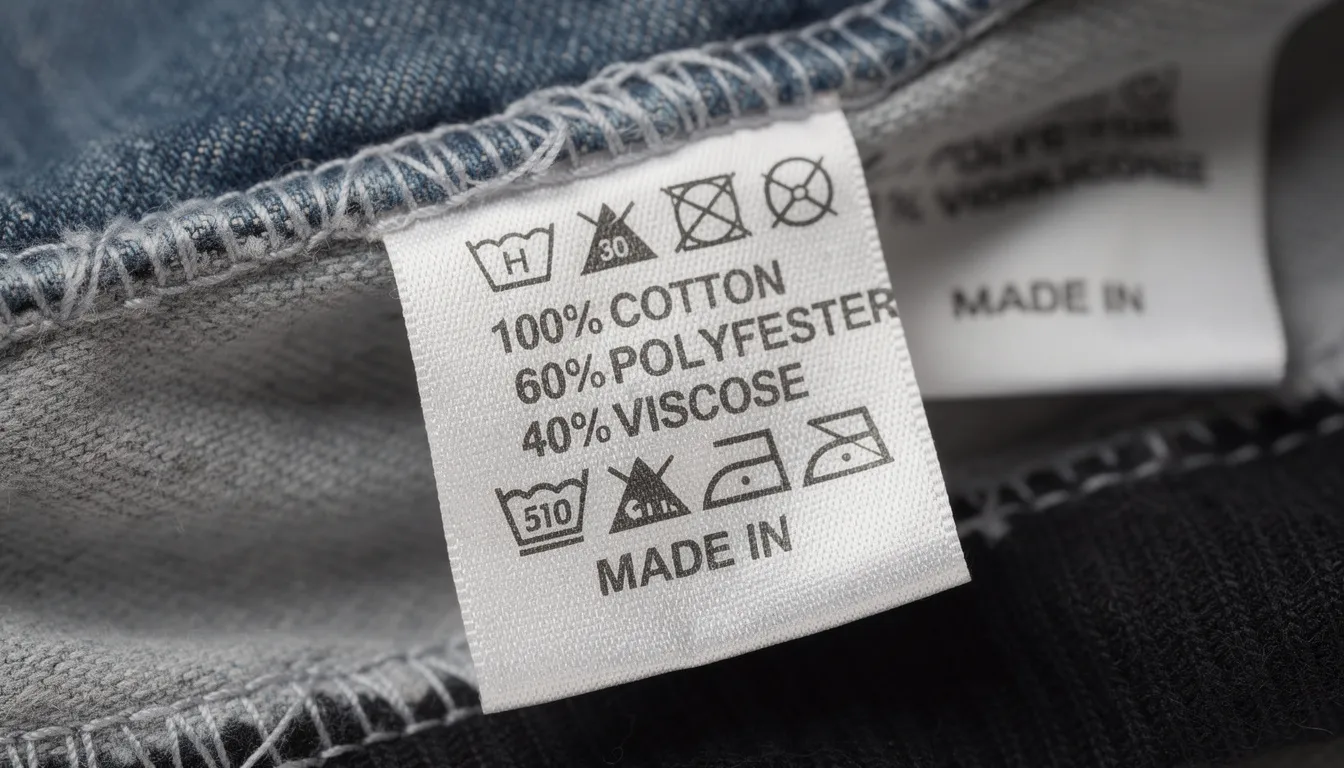
Polyester vs Natural Fibers: Which Is Kinder to Skin?
When comparing polyester to common natural fabrics, cotton and linen consistently come out ahead for breathability, moisture handling, and comfort on sensitive skin.
“Natural” doesn’t automatically mean perfect—conventionally grown cotton can still carry dyes and finishes. But in practice, natural fibers like cotton and linen tend to be more forgiving for most people’s skin than synthetic materials.
A simple rule of thumb:
Situation | Best Choice |
|---|---|
Hot weather | Cotton or linen |
All-day wear | Natural fibers |
Sleep | Cotton, linen, or bamboo |
Flare-prone skin | Soft natural fibers |
High-intensity exercise | Moisture-wicking synthetics (short-term) |
Heavy rain or extreme conditions | Technical synthetics as needed |
The goal isn’t to eliminate polyester entirely—it’s to use synthetics strategically for short-term performance needs while prioritizing breathable natural fibers for everyday, all-day, and overnight wear.
Cotton vs Polyester for Skin Comfort
Cotton is a natural, cellulose-based fiber that absorbs moisture and allows better airflow than polyester. It generally feels softer and cooler against the skin, which is why it remains a favorite for t-shirts, underwear, and casual wear.
Cotton’s main downside is that it can stay damp longer than polyester. If you sweat heavily and don’t change clothes, cotton may feel chilly or uncomfortable as it holds moisture. This is why some athletes prefer synthetics for intense exercise.
For everyday t-shirts, underwear, sleepwear, and base layers, many dermatologists recommend high-quality cotton for people with sensitive skin or skin conditions. When cotton is good for your skin, it’s usually very good—comfortable, breathable, and unlikely to cause reactions.
Optimizing cotton choices:
Choose organic cotton when possible to reduce pesticide residue exposure
Look for OEKO-TEX® certification for additional safety assurance
Prioritize cotton for items worn directly against skin for many hours
Consider cotton-poly blends (with high cotton content) when you need some durability
Linen vs Polyester for Breathability & Irritation
Linen is made from the flax plant and has been valued for centuries in hot climates like the Mediterranean and Middle East. There’s a reason it’s been the fabric of choice in warm regions for thousands of years.
Linen offers exceptional breathability and moisture wicking ability. Unlike polyester’s surface-level moisture management, linen actually pulls sweat away from your body and dries quickly, helping your skin stay cool and less irritated throughout the day.
Linen fabrics are typically looser-woven and less clingy than polyester blends. This means less friction, better air circulation, and reduced risk of skin irritation. High-quality linen softens with washing while remaining remarkably durable.
Linen is ideal for:
People who overheat easily, especially at night
Anyone with heat-triggered rashes
Those living in warm, humid regions
Shirts, pants, and bedding for summer months
Anyone who struggles with synthetic-related discomfort

Other Skin-Friendly Alternatives (When Linen or Cotton Aren’t Ideal)
Several other natural or semi-synthetic options can be gentle on skin when selected carefully:
Bamboo viscose: Soft and breathable, though manufacturing involves chemical processing
TENCEL™ (lyocell): Made from wood pulp using a closed-loop process; smooth and gentle
Modal: Another wood-based fiber that’s soft and drapes well
Hemp: Durable and increasingly popular; softens with wear
Silk: Luxuriously smooth and naturally temperature-regulating
Fine Merino wool: Surprisingly breathable and odor-resistant; much softer than regular wool
Keep in mind that bamboo and other regenerated cellulose fibers can still involve chemical processing. Look for reputable certifications and low-impact manufacturing claims.
Some people find wool itchy or have wool allergies, so individual testing is important. If trying any new fabric, start with short wear periods and watch how your skin responds.
For all these alternatives, choose simpler, less-treated versions—underdyed, fragrance-free, and certified—whenever they’ll be in constant contact with sensitive areas.
Who Is Most Likely to Have Skin Problems with Polyester?
Not everyone reacts to polyester the same way. Some people wear it daily with minimal bother, while others experience itching, rashes, or breakouts within hours of putting on synthetic clothes.
Groups more prone to polyester-related skin issues:
People with eczema, psoriasis, or chronic hives
Those with contact allergies or chemical sensitivities
People with very dry or thin skin
Heavy sweaters
Athletes and regular gym-goers
Anyone living in hot, humid climates
Children, older adults, and people with certain medical conditions often have more fragile skin barriers. This makes them more easily irritated by the heat, friction, and chemicals associated with polyester garments.
Relatable scenarios:
The office worker who itches all day in a lined polyester blazer
The teenager breaking out in their polyester school sports kit
The parent trying to figure out why their baby has unexplained rashes
The menopausal woman experiencing worse hot flashes in synthetic nightwear
The gym-goer with persistent back acne that clears up on vacation (when they wear cotton)
If you notice consistent itching, redness, or breakouts under synthetic clothes, try a “fabric elimination” test: switch to all-natural fibers for a few weeks and see if your skin improves.
Is Polyester Dangerous Long-Term, or Just Annoying?
It’s important to differentiate between short-term comfort issues (well-documented and common) and more speculative long-term systemic health risks from trace chemical exposure.
Based on current evidence, polyester clothing is not classified as acutely toxic in everyday use. However, it can be a chronic irritant and may increase your exposure to low levels of certain chemicals over time.
The microplastic question:
Polyester sheds tiny plastic fibers during wear and washing. These microplastics can end up in:
Indoor dust that you breathe and touch
Waterways and water bodies
The food chain through fish and seafood
Potentially entering your body through ingestion or inhalation
The health implications of ingested microplastics and dermal microplastic exposure are still being researched. While microplastic pollution is a growing environmental impact concern, its direct effects on human health aren’t fully understood yet.
The practical perspective:
From a skin health standpoint, the main reasons to reduce polyester are:
Improved daily comfort
Fewer rashes and breakouts
Reduced contact with potentially irritating finishes
Better skin microbiome balance
This isn’t about panic—it’s about making informed, incremental changes. The goal is understanding how your clothing choices affect your body, not overhauling your entire wardrobe overnight.
How to Reduce Skin Irritation If You Still Wear Polyester
Most people can’t or don’t want to eliminate polyester completely from their lives. It’s durable, affordable, and sometimes the only practical option for certain activities or budgets.
The good news: you can wear polyester more strategically and support your skin with smart habits.
Key strategies:
Choose better-made polyester pieces
Wear synthetics less tightly and less often
Wash correctly to remove residues
Layer with natural fibers for a buffer
Choosing Gentler Polyester Pieces
Not all polyester is created equal. For items worn closest to your skin—underwear, bras, socks, sleepwear—avoid ultra-cheap clothing with heavy chemical treatments.
Shopping checklist:
Look for OEKO-TEX® STANDARD 100, bluesign®, or similar certifications
Choose brands that openly share testing results for harmful substances
Seek out PFAS-free, formaldehyde-free claims
Avoid very cheap fast fashion synthetics for intimate wear
Pick lighter, looser weaves over dense, fully synthetic fabrics
Consider cotton-poly blends with high natural fibre content
Avoid heavily treated “performance” or “stain-resistant” polyester for everyday wear
Before committing to long hours or travel in a new polyester garment, do a “test wear” for a short day to see how your skin reacts.
Smart Washing & Laundry Habits
How you wash synthetic clothes matters as much as what you buy.
Laundry best practices:
Wash new polyester garments before first wear to remove excess dyes, finishing agents, and factory residues
Use fragrance-free, dye-free detergents (strong scents cling to synthetic fibers and can irritate sensitive skin)
Skip fabric softeners, which coat fibers with additional chemicals
Line-dry when possible to off-gas remaining volatile compounds and reduce static
Avoid high-temperature dryers, which can damage fibers and set in odors
Wash activewear promptly after workouts to minimize bacterial growth
A good wash routine won’t eliminate all concerns about polyester, but it can significantly reduce your exposure to surface chemicals and bacteria.
Layering & Fit: Giving Your Skin Breathing Room
Strategic layering and fit choices can minimize direct polyester-to-skin contact.
Practical wardrobe tweaks:
Wear a thin cotton or linen layer under polyester jackets, blazers, or sweaters
Choose looser fits rather than tight synthetic leggings and tops, especially in warm months
Alternate “synthetic days” with “natural fiber days” to give your skin recovery time
Change out of sweaty polyester clothing as soon as practical after workouts or long commutes
For travel, pack a cotton t-shirt to wear under synthetic outerwear
Consider cotton undergarments even when outer layers are polyester
The goal isn’t perfection—it’s giving your skin more opportunities to breathe and reducing cumulative irritation.

When to See a Dermatologist or Allergy Specialist
Mild, occasional itching from heat or sweat can often be managed with fabric changes and better laundry habits. But persistent or severe symptoms deserve professional assessment.
Warning signs that warrant medical attention:
Intense, unrelenting itching
Blisters, oozing, or cracking skin
Widespread rashes that don’t improve with fabric changes
Symptoms that clearly worsen in contact with certain garments
Rashes with sharply defined edges matching clothing patterns
Respiratory issues triggered by certain clothes
Dermatologists can perform patch testing to identify specific textile dyes or chemicals responsible for reactions. This makes fabric selection much easier and more targeted than guessing.
Don’t self-diagnose serious or recurring skin problems solely as “polyester allergy” without proper medical input. Other conditions can mimic textile-related reactions, and accurate diagnosis leads to better treatment.
Summary: Balancing Polyester with Skin-Friendly Choices
Polyester isn’t a poison, but it often isn’t your skin’s best friend—especially in heat, during exercise, or for sensitive and eczema-prone skin.
What we’ve covered:
Polyester traps heat and sweat against the body, creating conditions that encourage acne, odor, and irritation
Synthetic fibers can harbor more bacteria than natural alternatives
Chemical treatments on polyester (dyes, resins, PFAS, formaldehyde) may irritate or rarely trigger allergic reactions
Natural fibers like cotton and linen offer better breathability and are gentler choices for everyday wear
People with eczema, allergies, and sensitive skin are at higher risk of polyester-related problems
Smart shopping, washing, and layering habits can reduce irritation even if you can’t avoid synthetics entirely
A practical starting point:
Swap a few high-contact items—underwear, sleepwear, everyday t-shirts—for more eco friendly, skin-friendly fabrics like organic cotton or linen. Notice how your skin feels over several weeks. Most people who make this change report less itching, fewer breakouts, and improved overall comfort.
Understanding fabrics is part of caring for your body’s largest organ. You don’t need to overhaul your entire wardrobe or become a fabric purist. Even small changes—choosing cotton pajamas, wearing a natural fiber layer under synthetics, washing new clothes before wearing them—can make a noticeable difference in how your skin looks and feels.
Start where it matters most to you. Your skin will likely thank you.