If you’ve ever noticed that some underwear feels noticeably softer than standard cotton—or that a favourite T-shirt stays smooth and comfortable even after countless washes—modal fabric is probably the reason. This semi-synthetic material has quietly worked its way into everything from high-end loungewear to luxury bedding. But does it actually deserve all the praise?
In this guide, I’ll explain what modal fabric really is, how it’s made, and whether it lives up to its reputation for comfort. We’ll also look at the environmental pros and cons, compare modal to cotton and polyester, and go over simple care tips to help your clothes last longer.
Over the last few years, I’ve owned more modal clothing than I realised at first — mostly underwear, lightweight T-shirts, and a set of modal bed sheets I bought for summer. After wearing and washing these pieces regularly, the differences between modal, cotton, and polyester became very obvious in everyday use, especially in warm weather.
Quick Answer: What Is Modal Fabric & Its Main Pros And Cons
Modal is a semi synthetic fabric made from beech tree cellulose, first developed in Japan in 1951. Today, Austrian company Lenzing dominates the market with their TENCEL™ Modal brand, which has become the benchmark for quality and sustainability in this fibre category.
Key Pros:
Exceptionally soft—often described as 2–3x softer than standard cotton with a silky texture
Highly breathable and roughly 50% more water absorbent than cotton
Resists shrinking, fading, and losing shape through repeated washes
Drapes beautifully without excessive cling or stiffness
Holds vibrant colours exceptionally well over time
Ideal for modal underwear, T shirts, pyjamas, and bed linens
Key Cons:
Most modal production uses toxic chemicals like carbon disulfide
Sustainability varies dramatically by manufacturer—generic modal can be problematic
Can pill or snag, especially in cheaper, loosely-knit versions
Sensitive to high heat—can yellow or scorch in hot dryers or under irons
Typically costs 20–50% more than comparable cotton items
Some people with rayon sensitivities may experience skin irritation
The rest of this article will dig deeper into modal’s real-world performance across comfort, durability, cost, and environmental impact, plus practical care tips to keep your modal garments and sheets in top condition.
What Is Modal Fabric? (Definition & Origins)
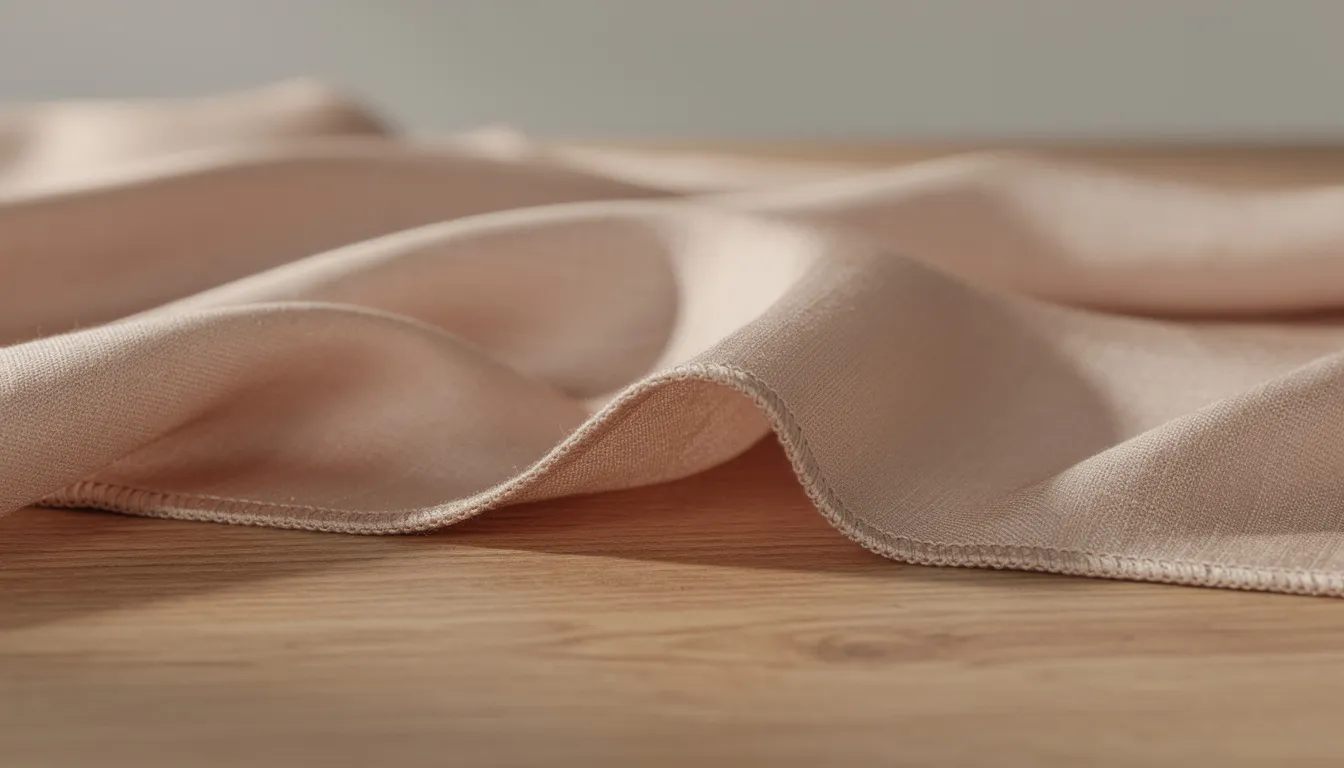
Modal is a second generation rayon classified as high wet modulus rayon, meaning it’s engineered to stay strong even when wet. The production of modal transforms wood pulp—typically from European beech trees—into smooth, fine modal fibers through a chemical process.
Modal sits between natural fibers like cotton and synthetic fabric like polyester, making it a semi synthetic fiber with plant-based origins but factory-made structure
Developed in Japan in 1951 as an improvement over standard viscose rayon, which tends to weaken and lose shape when wet
By the late 20th century, production largely shifted to Europe and China, with Lenzing in Austria becoming the most recognised branded producer
Common applications include underwear, loungewear, activewear, T shirts, leggings, socks, bed sheets, duvet covers, towels, and blended dress fabrics
Modal is a semi synthetic textile that biodegrades naturally, unlike petroleum-based synthetics
Generic modal and branded TENCEL™ Modal differ significantly—the latter offers higher traceability, closed loop production, and certifications like EU Ecolabel
The final fabric feels notably smoother and more fluid than most cotton weave types
Think of modal as viscose rayon’s more refined sibling—similar origins, but engineered for better durability and easier care.
How Is Modal Fabric Made?
The manufacturing process that transforms beech trees into your favourite underwear involves several chemical steps. Here’s how producers create modal fabric:
Harvesting and chipping: Beech trees from sustainably managed forests are harvested, debarked, and processed into small wood chips
Pulping: The wood chips are chemically broken down to extract pure cellulose, creating what’s called dissolving pulp
Chemical dissolution: The cellulose pulp is treated with sodium hydroxide and carbon disulfide to create a viscous orange solution called viscose
Spinning: This solution is forced through spinnerets (metal plates with tiny holes) into an acid bath, where it solidifies into continuous filaments
Drawing and finishing: Fibres are stretched to align the cellulose chains, then washed, cut to staple length, and prepared for spinning into yarn
The modified spinning process for modal differs from standard viscose by using optimised conditions that create stronger, more crystalline fibres with enhanced durability.
Carbon disulfide is the key environmental concern—it’s toxic and can harm workers and ecosystems if not properly contained
Better producers like Lenzing operate closed loop systems that recover 90–95% of solvents and wastewater
Since 1977, leading manufacturers have used oxygen-based bleaching instead of harsher chlorine methods
The modal production process requires more precise controls than standard viscose, which is why quality and price vary so much between brands
Pros of Modal Fabric
Modal’s popularity stems from how it actually feels and performs in everyday life—especially for garments worn next to skin in warm or humid conditions.
Comfort & Feel
Modal delivers what many describe as “silky cotton”—a luxurious feel that’s smooth against skin without the slipperiness of actual silk
In comparative testing, modal often measures roughly 3x softer than standard cotton jersey
The super soft sensation comes from longer, smoother modal fibers that don’t create the subtle friction you feel with cotton
From personal wear, modal feels noticeably smoother than even good-quality cotton. The first time I switched to modal underwear, the difference was immediate — less friction, no stiffness, and none of that “breaking in” period you sometimes get with cotton. Even after dozens of washes, the fabric still feels soft rather than fuzzy or worn out.
Breathability & Moisture Management
Modal is highly breathable, allowing air to circulate freely through the fabric
It can absorb around 50% more moisture than cotton, wicking sweat away from the body
This moisture wicking properties make it ideal for underwear, base layers, pyjamas, and summer T shirts
The fabric keeps the wearer cool and dry even during light activity or warm nights
I tend to notice fabric performance most during hot nights and long days out. Modal has consistently felt cooler and less clammy than cotton for me, especially when worn as underwear or a base layer. On warmer days, it absorbs sweat without feeling heavy, which is something I’ve never experienced with polyester.
Drape & Appearance
Modal has a fluid drape that flatters the body without clinging awkwardly like cheap polyester
Fabrics modal produces have a gentle sheen—more polished than matte cotton but less shiny than satin
Garments often look “finished” straight from the wash with minimal wrinkling
The fabric maintains its shape and appearance through regular wear cycles
Durability & Stability
Unlike standard viscose, modal is significantly stronger when wet, which means better laundering performance
Modal garments resist shrinking—a major advantage compared to cotton that can shrink substantially without pre-treatment
The fabric resists shrinking and pilling better than many other fabrics in its price range
Modal items remain smooth and hold their original dimensions wash after wash
After a year of regular washing, my higher-quality modal pieces have held their shape far better than expected. The T-shirts in particular still look presentable without ironing, whereas comparable cotton shirts from the same period started to lose their structure much sooner. That said, cheaper modal items I’ve owned did pill faster, which reinforced how important fabric quality really is.
Colour Retention
Modal’s high absorbency gives dyes deep penetration, resulting in vivid, saturated colours
Colours stay bright after dozens of wash cycles—ideal for bold T shirts, printed loungewear, and dyed bed linens
Fading is noticeably less severe compared to cotton, especially in darker shades
Odour Resistance
Unlike polyester, modal doesn’t trap odour as quickly during wear
Many users report comfortable all-day wear from modal underwear before odour becomes noticeable
This enhancing comfort factor makes modal popular for travel clothing and multi-day wear situations
Environmental Advantages vs Other Materials
Beech trees yield significantly more fibre per acre than cotton and generally require far less irrigation
Modal is biodegradable under appropriate conditions, breaking down naturally unlike polyester
It doesn’t shed microplastics into waterways like synthetic fabric options
When sourced from certified producers, modal uses renewable resources more efficiently than conventional cotton
Cons of Modal Fabric
Modal’s downsides centre mostly around environmental concerns, cost, and care requirements—especially with cheaper, non-branded production from facilities lacking modern pollution controls.
Chemical-Intensive Production
Most non-branded modal is still made with toxic chemicals like carbon disulfide, which poses serious health risks to factory workers
Facilities without closed loop processes release harmful emissions and contaminated wastewater into local ecosystems
The question “is modal fabric toxic” depends entirely on manufacturing standards—certified producers have far better safety records
Deforestation & Sourcing
While beech trees can be grown sustainably, low-cost modal has been linked to logging of natural resources in vulnerable forests
Some Asian production involves conversion of natural forests to monoculture plantations with weak environmental oversight
Without certification, there’s no guarantee your modal garment didn’t contribute to habitat destruction
Sustainability Variation
The gap between certified fibres (TENCEL™ Modal from FSC/PEFC forests) and generic “modal” is massive
Generic modal may come from unknown sources with unclear environmental standards
Sustainable practices vary so widely that the same fibre name can represent vastly different impacts
Durability Issues in Cheap Fabrics
Lighter, loosely-knitted modal can pill with friction and snag on rough surfaces like zippers, Velcro, or backpacks
Poor-quality blends may stretch out at stress points—elbows, knees, necklines—over time
This delicate fabric nature means cheaper modal often disappoints compared to premium versions
Heat Sensitivity
High heat from dryers or irons can cause yellowing or permanent scorch marks on modal
Once heat damage occurs, it’s irreversible—the fabric won’t recover its original appearance
Does modal fabric shrink? At high temperatures, yes—though well less than cotton when care instructions are followed
One mistake I made early on was throwing a modal T-shirt into a hot dryer. The fabric didn’t shrink dramatically, but it did lose some of its smooth finish. Since switching to air drying or low heat, I haven’t had that issue again. Modal clearly rewards gentle care.
Care Requirements
Many modal garments perform best on a gentle cycle with mild detergent and low-heat or air drying
Some delicate fabric blends recommend hand washing or dry cleaning, adding maintenance effort
Using fabric softeners is usually unnecessary since modal is already soft, but many people add them anyway, potentially affecting absorbency
Cost
Modal jersey yardage typically costs more than standard cotton jersey
Modal underwear or sheets usually run 20–50% higher price point than cotton equivalents
Premium variants like MicroModal push prices even higher
Possible Sensitivities
A small number of people report skin irritation from modal, especially those with general rayon sensitivities
Finishing chemicals not thoroughly rinsed during production can cause reactions in sensitive individuals
Is Modal Fabric Eco-Friendly Or Not?
Modal can be relatively eco friendly compared with conventional viscose and cotton—but only when sourced from responsible producers using eco friendly production process standards. Generic modal is much more of a mixed bag.
Water and land efficiency: Beech trees used for modal often need 10–20x less water than conventional cotton and can grow on non-irrigated, non-agricultural land
Closed loop processes vs conventional: Lenzing’s TENCEL™ Modal recovers approximately 95% of process chemicals through a closed loop system, while many lower-cost mills release far more pollution
Historical improvements: Since 1977, leading producers have used oxygen-based bleaching instead of chlorine bleach, reducing environmental impact
Certifications to look for: FSC or PEFC-certified forests, EU Ecolabel, and OEKO-TEX Standard 100 all indicate better environmental and chemical management
Greenwashing concerns: Regulators like the US Federal Trade Commission have fined brands for calling rayon-based fabrics “natural” or “eco” without clarification—be sceptical of vague sustainability claims
Modal vs lyocell: Lyocell (often branded as TENCEL™ Lyocell) is generally considered more sustainable than modal due to its different solvent system and more effective closed loop design
The sustainable alternative label only applies to modal when you can verify the source. Without certifications, you’re essentially guessing.
Modal vs Other Common Fabrics
Most shoppers are choosing between modal, cotton, viscose rayon, or polyester for everyday clothing and bedding. Here’s how they actually compare in practical terms.
Modal vs Cotton
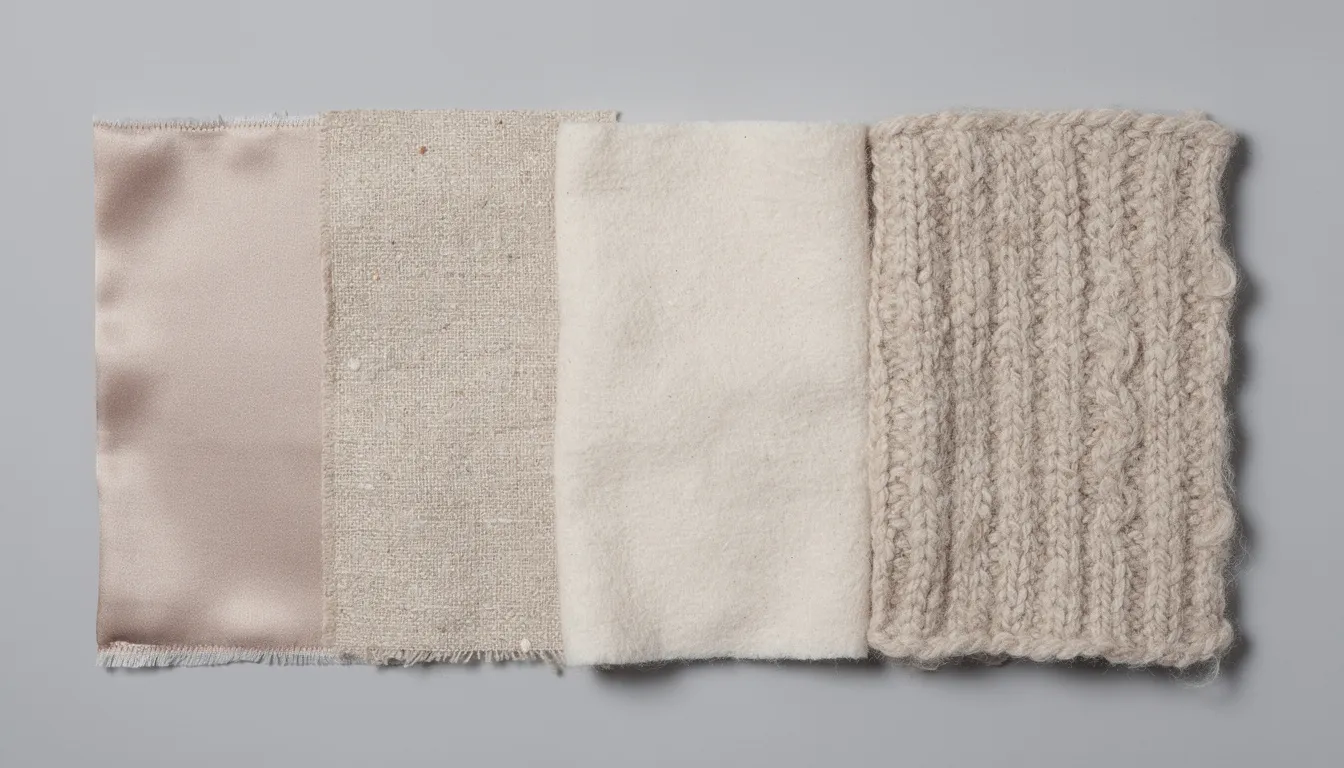
Modal and cotton are both comfortable, breathable, and biodegradable—but they feel and perform quite differently.
Softness: Modal is typically softer and smoother than even combed cotton, with a more fluid drape and less “crispness”
Moisture handling: Modal is about 50% more absorbent compared to cotton, helping it feel dry longer in hot weather; cotton can feel clammy when saturated
Breathability: Cotton—especially heavier weaves—offers better airflow and more insulation in cooler weather
Shrinkage and care: Modal resists shrinking and creasing better; cotton can shrink and wrinkle more unless pre-shrunk or blended
Environmental comparison: Modal from certified sources generally uses less water and land; organic cotton can be competitive environmentally, but conventional cotton is water- and pesticide-intensive
Practical guidance: Choose modal for underwear, sleepwear, and soft tees; cotton works better for rugged garments like denim, work shirts, and items needing higher abrasion resistance
Modal vs Viscose (Rayon)
Both are rayons made from cellulose, but modal is often called second generation rayon for good reason.
Strength: Viscose feels soft and drapey but weakens significantly when wet, while modal retains more of its strength and shape in the wash
Care ease: Modal usually pills and wrinkles less than standard viscose, making it easier for regular home laundry
Longevity: Modal rayon maintains its appearance and structure longer than viscose, especially with frequent washing
Environmental comparison: Both can be chemically intensive, but modern modal (especially from Lenzing) typically uses fewer toxic chemicals and more effective recovery systems than older viscose plants
Buying advice: For frequently worn and washed items like T shirts, underwear, and pyjamas, modal is the better long-term choice; viscose works fine for occasional dresses or blouses where budget matters more
Modal vs Polyester
Modal is plant-based; polyester is petroleum-derived. They behave very differently despite both appearing in activewear.
Comfort: Modal is more breathable, less plasticky, and feels cooler against skin; polyester can trap heat and odour but insulates better in cold weather
Moisture behaviour: Modal absorbs moisture into the fibre (comfortable but slower to dry), while polyester repels moisture and dries quickly but can feel clammy
Durability: Polyester is tougher for abrasion-heavy activities like trail running or workwear; modal is more prone to pilling if rubbed against rough surfaces
Environmental impact: Modal is biodegradable with lower long-term environmental impact when responsibly sourced; polyester sheds microplastics and never biodegrades
Carbon emissions: Modal production from natural materials has a smaller carbon footprint than petroleum-derived synthetic fabric when full lifecycle is considered
Practical tip: Choose modal for yoga, light workouts, daily tees, and sleepwear; polyester for intense sports or gear that will see heavy abuse
MicroModal And Other Modal Variants
Not all modal is identical. Fibre fineness, blends, and branding all change how the fabric feels and wears.
MicroModal:
An ultra-fine version of modal fibre originally developed by Lenzing, with fibres roughly half the diameter of standard modal
Feels lighter, silkier, and even more breathable—extremely popular for premium underwear and second-skin T shirts
Commands a higher price point per yard and per garment due to finer fibres and more demanding production
Many premium underwear brands specifically advertise MicroModal from Lenzing as a luxury selling point
Common Blends:
Modal–cotton: Combines modal’s silky softness with cotton’s structure; feels softer than pure cotton but slightly more substantial than pure modal
Modal–elastane: Adds stretch and recovery for activewear, leggings, and fitted garments; typically 90–95% modal with 5–10% elastane
Modal–polyester: Balances softness with improved durability and faster drying; useful for travel-friendly clothing
Naming Confusion:
Some brands market any very soft rayon blend as “micro modal” even when fibre quality or sourcing is unclear
Always check fabric labels for specific fibre content and, ideally, brand certifications
The unique combination of MicroModal with elastane creates exceptionally comfortable stretchy garments for other textiles applications
How To Care For Modal: Washing, Drying, And Longevity
Correct care keeps modal soft, smooth, and vibrant for years. High heat and rough handling will shorten its life dramatically.
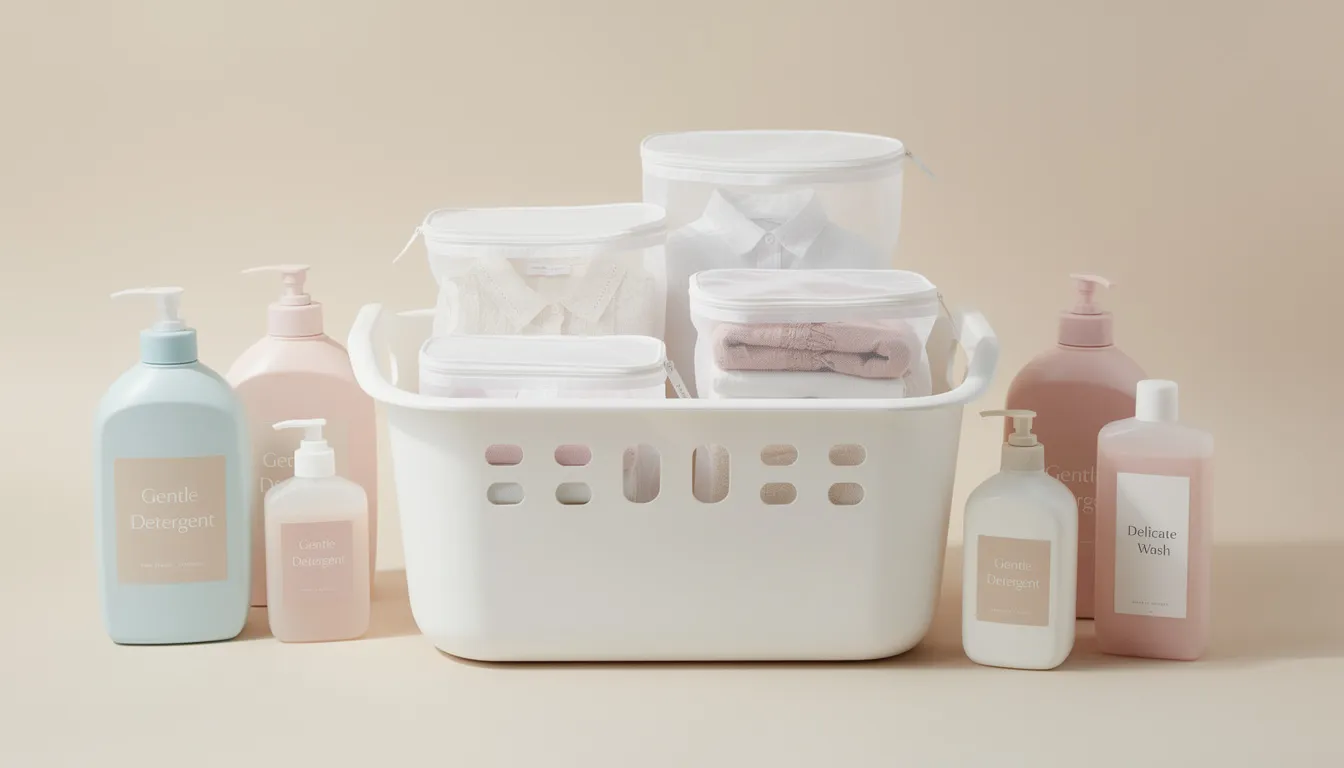
Washing Instructions:
Machine wash on gentle cycle in cold or warm water (up to 30°C / 86°F)
Use mild detergent—nothing too harsh or heavily fragranced
Place delicate knits or lace-trimmed modal items in a mesh laundry bag to prevent snagging
Wash modal items with similar fabrics; avoid mixing with rough items like jeans or anything with Velcro
Bleach & Detergents:
Avoid chlorine bleach entirely—it can damage and weaken modal fibers
If stain removal is needed, use oxygen-based bleach only
Skip fabric softeners; modal is already super soft and softeners can reduce absorbency
Drying:
Air drying flat or on a hanger is ideal
If using a tumble dryer, keep to low or medium heat and remove garments while still slightly damp
High heat causes modal to yellow, scorch, or potentially shrink
Ironing:
Use medium heat on the reverse side of the fabric
Steam can help release wrinkles if needed
Place a thin pressing cloth between iron and fabric to prevent shine or scorch marks, especially on darker colours
Storage:
Store in a cool, dry place away from direct sunlight to prevent fading and yellowing
Fold lighter knits rather than hanging if they’re prone to stretching at the shoulders
Modal items stored properly will remain smooth and retain their shape for years
Longevity Tips:
Trim loose threads promptly before they become pulls
Avoid wearing modal against rough surfaces like unfinished wood or brick walls
Follow brand-specific care labels, especially for modal blends with other materials
Is Modal Worth It? When To Choose It (And When Not To)
Modal is usually worth the extra cost for next-to-skin wear comfort—underwear, base layers, tees, and bedding—especially in warm or humid climates where the unique properties of breathability modal offers really shine.
Where Modal Shines:
Hot-weather pyjamas and sleepwear where you want to stay cool
Moisture-managing underwear for everyday wear comfort
Travel T shirts that resist odour and wrinkling
Silky-feel bed sheets and bed linens for warm sleepers
Situations where you want the luxurious feel of silk without the price or delicate care
Where Other Fabrics Work Better:
Heavy-duty workwear requiring abrasion resistance (cotton canvas or polyester blends)
Winter base layers needing more insulation (merino wool or thermal synthetics)
Extremely tight budgets where cotton or basic viscose suffices
High-intensity sports with heavy sweating (performance polyester dries faster)
Eco-Conscious Buying:
Look for modal products explicitly labelled as TENCEL™ Modal
Check for FSC/PEFC forest certification and OEKO-TEX Standard 100
Be sceptical of vague “eco,” “natural,” or “sustainable” marketing without specific certifications
Remember that makes modal eco friendly is the production process, not just the raw material
Cost–Benefit Perspective:
Modal garments and sheets typically cost 20–50% more upfront than basic cotton equivalents
The luxurious feel and better colour/shape retention often justify the premium
When properly cared for, quality modal maintains its softness and appearance far longer than cheap cotton
Modal fabric delivers real comfort advantages—silky softness, excellent moisture management, beautiful drape, and strong environmental potential when sourced responsibly. The trade-offs are chemical processing concerns (especially with generic modal), a higher price point, and care requirements that demand a bit more attention than throwing everything in a hot wash.
After years of wearing, washing, and comparing modal garments side by side with cotton and polyester, I’d consider modal one of the best fabrics for comfort-focused clothing. When it’s sourced responsibly and cared for properly, it delivers on its promises. The key is avoiding the cheapest options and paying attention to fabric labels and care instructions.