
If your armpits burn, itch, or break out in a rash every time you swipe on a stick deodorant, you are not alone. I spent years dealing with the same problem before I figured out exactly which ingredients were destroying my skin – and which ones actually helped. This guide walks you through everything I learned the hard way.
Fast Answer: What Deodorant Actually Works for Sensitive Armpits?
From roughly 2023 to 2025, I tried brand after brand that claimed to be a deodorant for sensitive skin. Old Spice, Dove, drugstore “sport” sticks – most of them left me with blazing red, itchy underarms. It took me nearly two years of trial and error to find formulas that didn’t burn. Effective deodorants for sensitive skin focus on preventing rashes and burning, not just masking smell.
Here is my direct recommendation: if you are a man with sensitive skin, choose an aluminum free, baking soda free deodorant that is also free of alcohol and strong fragrance. Look for a gentle active ingredient like mandelic acid or magnesium hydroxide instead of the harsh stuff.
My skin reacts badly to baking soda and aluminum compounds. Once I switched to deodorants using gentler actives, the irritation – burning, bumps, red patches – gradually stopped. For example, Mando’s deodorant line is formulated without aluminum and baking soda, and it provides 72-hour clinical odor control. Mando deodorant is also dermatologist tested and suitable for sensitive skin.
Here are the must-have features I now look for every time:
Aluminum free – no aluminum salts of any kind
Baking soda free – no sodium bicarbonate in the ingredient list
Avoid alcohol – no “alcohol denat.” or ethanol that stings broken skin
Minimal or no essential oils and fragrance – fragrance free is best
Dermatologist tested, labeled “for sensitive skin” or “hypoallergenic”
pH-balanced or gently acidic rather than strongly alkaline

Why Men’s Deodorant Irritates Sensitive Skin
I remember the first time I used a “sport” deodorant in high school. After football practice, my armpits were red, raw, and burning. It stayed like that for a full week. I thought that was just how strong men’s deodorant was supposed to feel. It wasn’t. My skin was reacting to harsh chemicals in the formula, and I had no idea.
Here is what I have learned since then about why irritation happens:
There is a big difference between a deodorant and an antiperspirant product. A deodorant fights odor by neutralizing or killing odor causing bacteria. An antiperspirant uses aluminum salts as the active ingredient to plug sweat ducts and reduce wetness. The antiperspirant approach tends to irritate sensitive skin more, especially combined with other triggers. Aluminum was actually named 2022’s allergen of the year by dermatologists, which says a lot about how common reactions are.
Irritation from deodorants often stems from three main ingredients: baking soda, aluminum, and fragrance. Baking soda raises skin pH above 7, causing irritation. Your armpit skin naturally sits around pH 4.5 to 5.5, while baking soda pushes it up to 8 or 9. That mismatch damages your skin barrier and leads to redness and discomfort.
Aluminum compounds can trigger contact dermatitis in sensitive individuals. They block sweat ducts, and on freshly shaved or already irritated skin, the reaction can be painful.
Alcohol can cause stinging on broken or shaved skin. Ingredients like “alcohol denat.” or “SD alcohol” strip natural oils, dry your skin out, and make micro-cuts from shaving sting badly.
Fragrance compounds are a top allergen causing dermatitis. Even “natural” scents like lavender, citrus oils, or tea tree are known sensitizers. One study found that deodorants with cinnamic aldehyde (a common fragrance allergen) caused underarm dermatitis in some users within weeks of daily use.
Not every man reacts to these. But if you notice red patches, burning, bumps, or a rash within a few days of using a new product – especially after shaving – your skin is probably sensitive to one or more of these triggers.
Deodorant Label Decoder: What to Look For (and What to Avoid)
Once I learned to read the tiny back label on my deodorant (around 2022), my underarms finally calmed down. Most people skip that small print, but it is the single most useful thing you can do. Here is the checklist I now follow every time I pick up a new product.
Check the “Active ingredient” line first. If it is an antiperspirant, it will list something like “aluminum zirconium tetrachlorohydrex” under “Drug Facts.” A true aluminum free deodorant usually has no “active ingredient” line in the drug facts box at all. That is how you can quickly tell the difference.
Do not trust “aluminum free” claims blindly. Even if the front of the pack says “aluminum free,” flip it over and scan the ingredient list for any aluminum salts. Some brands hide it or use less obvious names. Sensitive skin deodorants should avoid baking soda and aluminum compounds entirely.
Watch out for baking soda. It is listed as “sodium bicarbonate” and it is very popular in natural deodorant formulas. But for sensitive skin, it is one of the worst offenders. Roughly 15 to 20 percent of users with reactive skin report rashes related to baking soda. If you have had problems, go baking soda free.
Fragrance and essential oils are sneaky irritants. On the label, look for “parfum,” “fragrance,” or listed oils like lavender, lemon, or tea tree. Even “100% natural” scent does not mean safe. Dermatologists recommend fragrance free deodorants for sensitive skin. Deodorants for sensitive skin should avoid synthetic fragrances and alcohol. A true unscented option is your safest bet.
Dove Men+Care is dermatologist tested but contains aluminum in most variants, including its popular Sensitive Shield. Dove Men+Care offers a sensitive shield variant but contains aluminum, so if you react to aluminum, check that label carefully before buying.
Sum it up: look for aluminum free, baking soda free, alcohol-free, minimal fragrance, and a label that says “for sensitive skin,” “dermatologist tested,” or “hypoallergenic.”
Best Types of Deodorant for Sensitive Skin (Men)
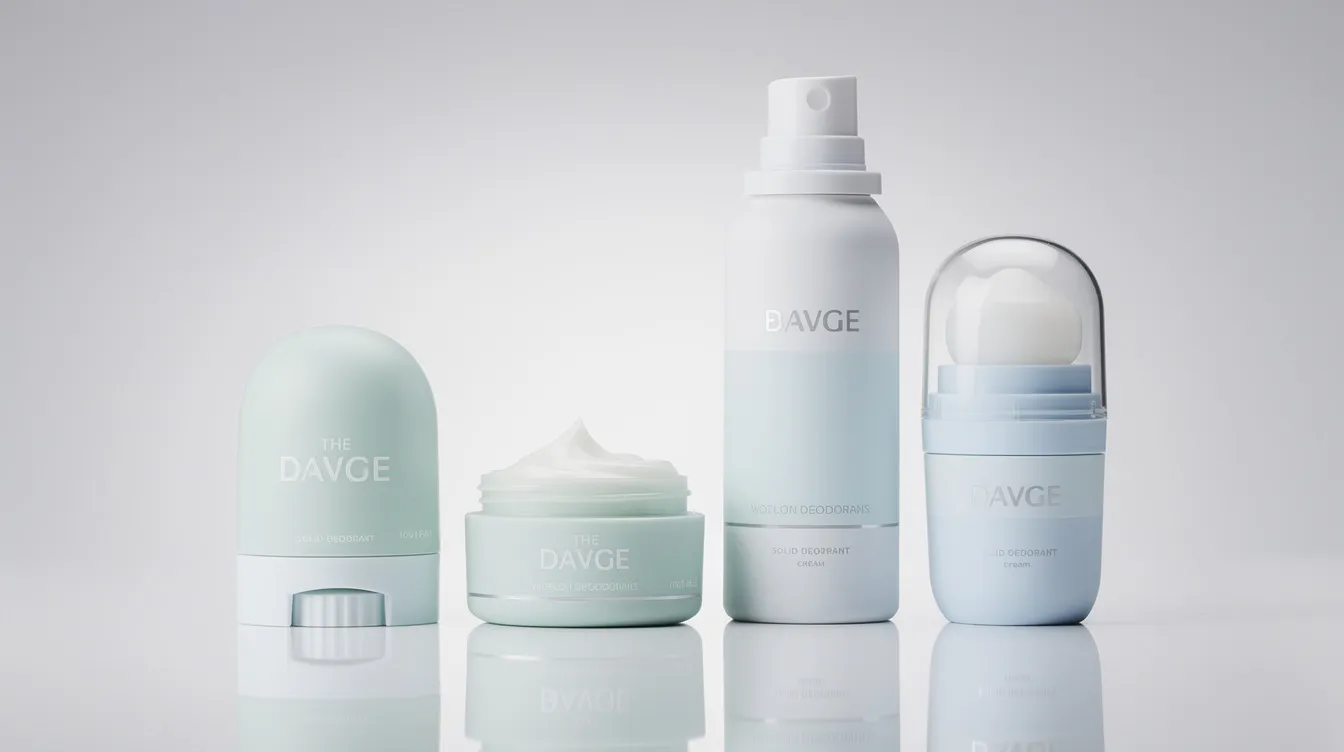
Between 2020 and 2024, I tried everything: cheap drugstore sticks, expensive “natural” jars, sprays, creams, and serums. Even when the ingredients were similar, different formats felt very different on my skin. Here is what I learned about each type.
A solid stick deodorant is the classic option. It is clean, no mess, and easy to toss in a gym bag. But solid sticks can drag over already irritated skin and cause friction. If the formula is aluminum free and baking soda free, a stick can work well for normal to mildly sensitive men. Hypoallergenic products in stick form should minimize irritation and provide skin comfort.
Cream deodorants feel smooth and soothing. They come in tubs or squeeze tubes and let you control exactly how much product you apply. If you have eczema-prone or rashy underarms, creams with ingredients like shea butter or aloe can help calm things down while still fighting body odor.
Sprays can be great right after shaving because they avoid friction entirely. But be careful – many drugstore sprays contain alcohol and heavy fragrance. Labels matter here more than anywhere else. An alcohol-free mist formulated for sensitive skin is the safest spray option.
Roll ons and serum-style products are a newer category. Some use gentle acids like mandelic or lactic acid to lower skin pH instead of relying on baking soda or aluminum. Aluminum-free deodorants do not block sweat ducts, so they let your body sweat naturally while still controlling odor. Some natural deodorants may even include ingredients like seaweed extracts and probiotics for odor control.
For very sensitive armpits, I usually recommend starting with either a gentle cream or a non-alcohol, aluminum free stick labeled “for sensitive skin.” Once your skin calms down after a week or two, you can experiment with acids or other product types.
Key Ingredients: What Helps, What Hurts
Ingredients matter way more than the brand name on the front of the pack. After years of trial and error, I discovered that baking soda and fragrance blends were my top triggers. Aluminum salts stung badly on freshly shaved skin. But once I found gentler alternatives, I got solid odor protection without the burn.
Gentle active ingredients that work well for sensitive skin include mandelic acid, lactic acid, magnesium hydroxide, and zinc ricinoleate. Mandelic acid lowers skin pH to inhibit odor causing bacteria, and it also lowers skin pH to reduce irritation overall. Magnesium hydroxide neutralizes odor without the extreme alkalinity of baking soda. Zinc ricinoleate captures and controls odor molecules. Gentle formulations focus on soothing and hydrating ingredients alongside these actives.
Aluminum free deodorants versus antiperspirant: aluminum controls wetness by plugging sweat ducts, but it can cause sensitivity and contact dermatitis in reactive skin. Aluminum-free deodorants are recommended for those with aluminum sensitivity. Many men, including me, feel more comfortable after switching to aluminum free – you trade some sweat control for much less discomfort. Mando deodorant is formulated without baking soda and aluminum and still fights odor effectively.
Baking soda is common in natural deodorants and it does work – it neutralizes odor by being alkaline. But that same alkalinity (pH 8 to 9) wrecks your skin’s acid mantle (pH 4.5 to 5.5). After a few weeks of daily use, you can end up with redness, a rash, and burning that will not quit. If you have tried a natural deodorant and gotten a rash, baking soda is probably why.
Essential oils like tea tree, citrus oils, and peppermint smell amazing. But they are among the most common irritants in “clean” or “natural” deodorants. If your armpits are reactive, stick to an unscented or very mildly scented formula. Just because something smells good does not mean it is safe for your skin.
Alcohol-heavy sprays and roll ons can sting and dry out skin, especially after shaving or if you already have a rash. Avoid alcohol listed as “alcohol denat.,” “ethanol,” or “SD alcohol” if your skin is at all reactive.
Quick cheat sheet: for sensitive skin, look for aluminum free, baking soda free, low-fragrance or fragrance free, alcohol-free, with a gentle odor-fighting active ingredient like mandelic acid or magnesium hydroxide.
How to Choose the Best Deodorant for Your Sensitive Skin
I finally made myself slow down between trials. When I tried something new, I used it for at least one to two weeks, tracked whether redness, burning, or bumps appeared, and compared notes. That approach helped me avoid giving up too soon or blaming the wrong product.
Identify your main problem first. Is it strong body odor, heavy sweat, visible rashes, or all three? If odor is your biggest concern, a deodorant with mandelic acid or zinc ricinoleate can handle it. If wetness is the issue, you might consider a clinical strength antiperspirant – but only if your skin tolerates aluminum.
Patch test before committing. Try a new deodorant on a small area of your inner arm or one armpit for a couple of days before fully switching. This catches bad reactions without exposing both underarms at once. I did this every time starting in 2024, and it saved me from a lot of discomfort.
Read reviews from other men with sensitive skin specifically, not just general “smells good” comments. Pay attention to mentions of itching, welts, burning, or a rash. What works for most people might still irritate you if your triggers are different.
Think about your lifestyle. Athletes, outdoor workers, or men in hot climates may need stronger odor protection. Desk workers in air-conditioned offices might be fine with a very gentle, mild formula. Match the strength to your actual needs.
Compare options across price points and duration. Old Spice GentleMan’s Collection deodorant lasts up to 10 hours, which is fine for a standard workday. Dove Aluminum Free deodorant provides 24 hours of protection for longer coverage. Arm & Hammer Essentials deodorant lasts up to 48 hours. And Mando deodorants provide clinical odor control for up to 72 hours, making them a strong choice if you want to apply less often. Vanicream is frequently recommended by dermatologists for reactive skin. Vanicream is recommended for very reactive skin and is fragrance free. Vanicream helps soothe irritated skin while being free of fragrances and dyes – it is a great pick if every other product has failed you.
Budget does not always equal quality. You do not have to spend a lot to find the best deodorant for your skin. Drugstore options that are aluminum free, baking soda free, and gentle can work just as well as specialty brands. Do not assume “natural” means safe, or that expensive means better.
Everyday Tips to Prevent Underarm Irritation
Even after I found a deodorant that worked, I still had flare-ups in 2024. It turned out my shaving and shower habits were part of the problem. The best deodorant in the world will not help if everything else you do keeps stressing your skin.
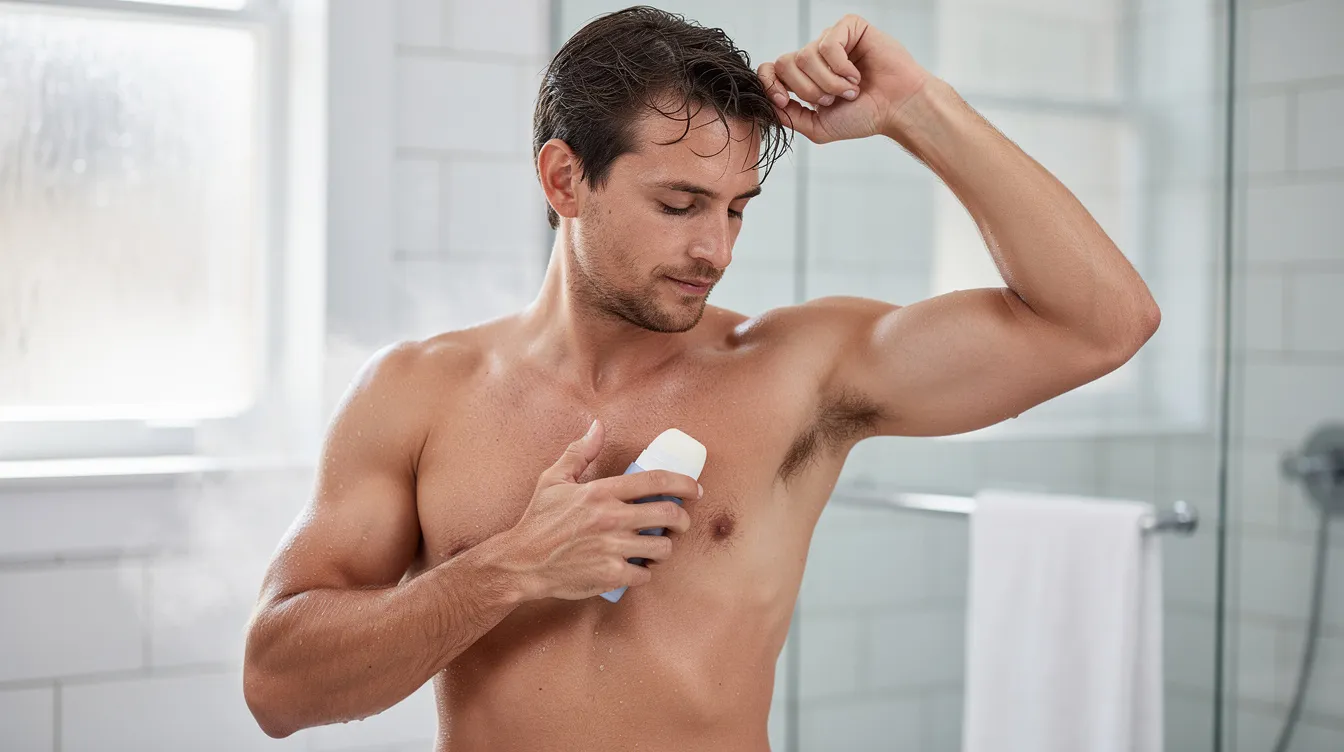
Shave smarter. Shave at night when your skin has hours to recover before you apply anything. Use a sharp, fresh razor and shaving gel – never dry shave. Rinse well with cool water. And do not apply any deodorant with alcohol or strong scent right away on freshly shaved skin. Give it time.
Keep armpits clean and dry. Use a gentle, fragrance free body wash (not the same face wash you use on your face – armpit skin has different needs). Pat dry instead of scrubbing with a towel. Moisture left trapped from sweat or your shower increases the risk of irritation. But avoid overwashing with harsh soaps that strip your skin barrier.
Wear breathable clothing. Cotton and moisture-wicking fabrics let air flow and reduce trapped sweat. Tight synthetic shirts can hold in moisture and irritants, making redness and sensitivity worse. Change shirts after workouts if they get damp.
Expect a “detox” period when switching from an antiperspirant to an aluminum free deodorant. For the first one to two weeks, your sweat and body odor may increase as your sweat ducts open up again and are no longer blocked. This is normal and tends to level out. I noticed more wetness for about 10 to 14 days before things stabilized and the new formula started working well to maintain freshness.
See a dermatologist when redness lasts longer than a week, skin cracks or bleeds, you see signs of infection like pus or swelling, or if reactions keep getting worse no matter what you try. A dermatologist can do professional patch testing to rule out eczema, contact dermatitis, or other product allergies. Sometimes the treatment your skin needs goes beyond switching deodorants.
FAQ: Men’s Deodorant for Sensitive Skin
These are the questions I hear most often from friends and readers who, like me, spent years dealing with burning armpits from “normal” men’s deodorant. Here are honest, simple answers.
Is aluminum-free deodorant better for sensitive skin? For many men, yes. Aluminum salts are what antiperspirants use to block sweat ducts, and those salts can sting or irritate sensitive or freshly shaved skin. Aluminum-free deodorants are recommended for those with aluminum sensitivity. You will trade some wetness for comfort, but your armpits will thank you.
Why does baking soda deodorant give me a rash? Baking soda is highly alkaline – it raises skin pH above 7, while healthy skin is mildly acidic around 4.5 to 5.5. That big mismatch, especially in a warm, moist area like your underarms, damages the skin barrier. The irritation often shows up after days to weeks of daily use, not immediately. If you have tried a natural deodorant with baking soda and gotten a rash, that pH jump is almost certainly the reason.
Can I still smell fresh without aluminum? Absolutely. Ingredients like mandelic acid, magnesium hydroxide, and zinc ricinoleate all fight body odor without blocking sweat. Add in good hygiene – a shower with gentle body wash, breathable clothing – and you can get clinical strength odor control without aluminum. Mando deodorant provides clinical odor control for up to 72 hours using exactly this approach, without any aluminum or baking soda. There is no need to stain your shirts or irritate your skin to stay fresh.
What if every deodorant makes me itch? Go back to the most minimal formula you can find. Try something fragrance free, baking soda free, aluminum free – like Vanicream, which is free of fragrances, dyes, parabens, and lanolin. Your skin may have eczema or contact dermatitis that needs professional treatment. Sometimes even a gentle product will irritate you if the skin barrier is already damaged from shaving, harsh soaps, or another product. Healing the barrier first is key, and a dermatologist can help you figure out the right treatment plan. Do not just keep switching brands – get real answers from a woman or man in a white coat who does this for a living.
Finding the right deodorant for sensitive skin took me years of trial and error. But once I understood what to avoid – aluminum, baking soda, alcohol, heavy fragrance – and what to look for, the burning finally stopped. Start tonight: flip over whatever deodorant is sitting on your bathroom counter and read that ingredient list. You might be surprised what has been irritating your skin this whole time. Your armpits deserve better, and now you know exactly how to give them that.