

I have reactive skin. It stings, turns red, and breaks out from products most people use with zero problems. Finding the right sunscreen for sensitive skin took me years of trial and error. In this guide, I share what I learned-my top picks, what ingredients to avoid, and how to wear sunscreen without irritation.
Quick Answer: The Best Sunscreens for Sensitive Skin Right Now
I know you might be in a hurry, so here are my top picks for the best sunscreen for sensitive skin right now. Every one of these is fragrance free, gentle, and made with mineral or mineral-forward filters.
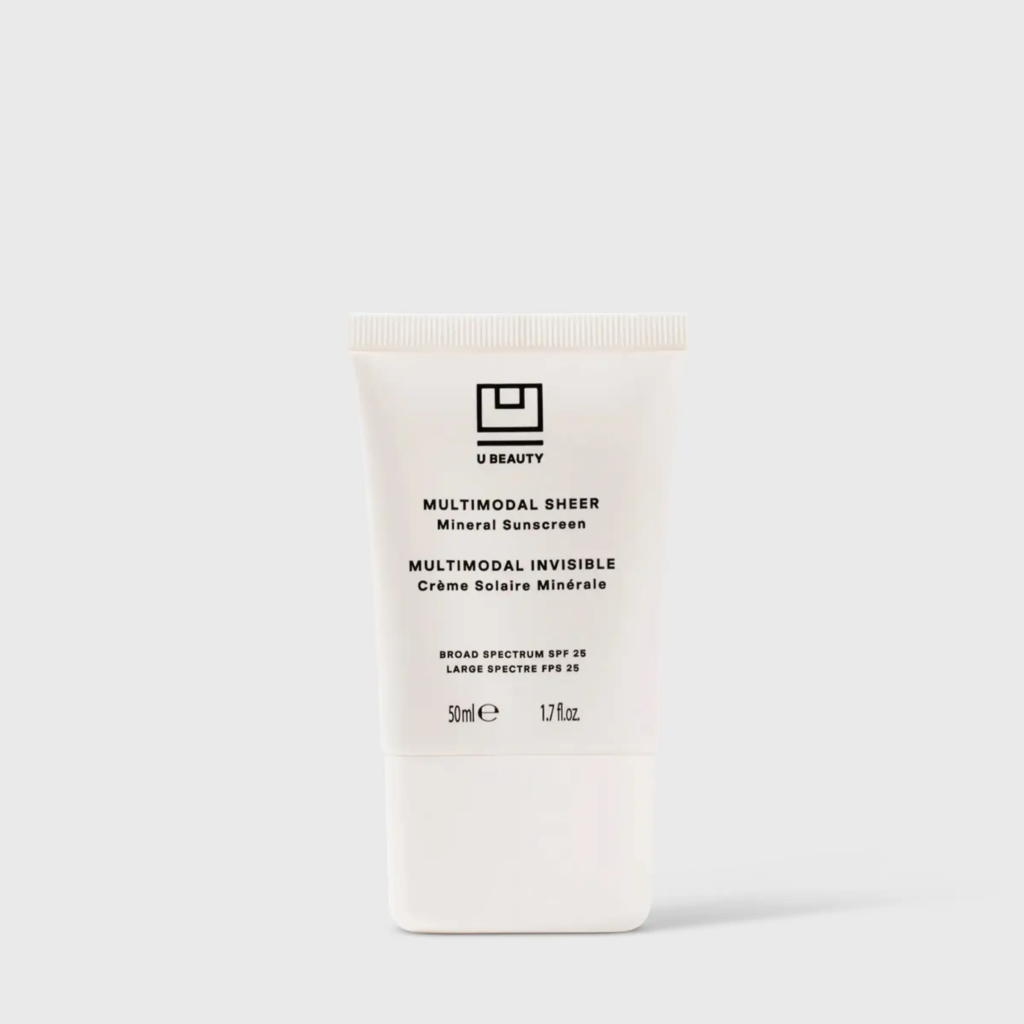
Multimodal Sheer Mineral Sunscreen SPF 25 from U Beauty – The Multimodal Sheer Mineral Sunscreen SPF 25 combines mineral sun protection, skincare benefits, and a primer-like finish in one lightweight formula. I loved how it left my skin feeling smooth, fresh, and softly blurred without the heavy feel of traditional sunscreen.
Blue Lizard Sensitive Mineral Sunscreen Lotion SPF 50 – 100% mineral sunscreen (zinc oxide 10% + titanium dioxide 8%), reef safe, water-resistant 80 minutes. Best for body use, beach days, and outdoor sports. Oil free and hypoallergenic.
La Roche-Posay Anthelios 50 Mineral Ultra-Light Sunscreen Fluid SPF 50 – A lightweight mineral fluid that dries down matte. Great for everyday face use and layers well under makeup. One of the best sunscreen picks for sensitive and oily skin.
Vanicream Facial Moisturizer Broad Spectrum Mineral SPF 30 – A gentle, budget-friendly option designed specifically for acne prone skin. Non-comedogenic, oil free, and packed with ceramides and squalane. Perfect for daily face use.
Colorescience Sunforgettable FLEX Tinted Mineral SPF 50 – A universal tinted mineral formula that blends into darker skin tones with minimal white cast. Also works nicely under or in place of makeup.
EltaMD UV Clear Face Sunscreen SPF 46 – Dermatologist-recommended and formulated with niacinamide and hyaluronic acid. Lightweight, works on acne prone skin, and layers smoothly under cosmetics.
Ao Skincare 6000X Elemental Screen SPF 30 – EWG Verified and fragrance free. A mineral body option that feels clean and simple. Good for people who want fewer other ingredients in their sunscreen.
Pipette Baby Mineral Sunscreen – Known for its invisible finish, making it one of the better mineral based options for anyone tired of chalky residue. Gentle enough for the whole family.
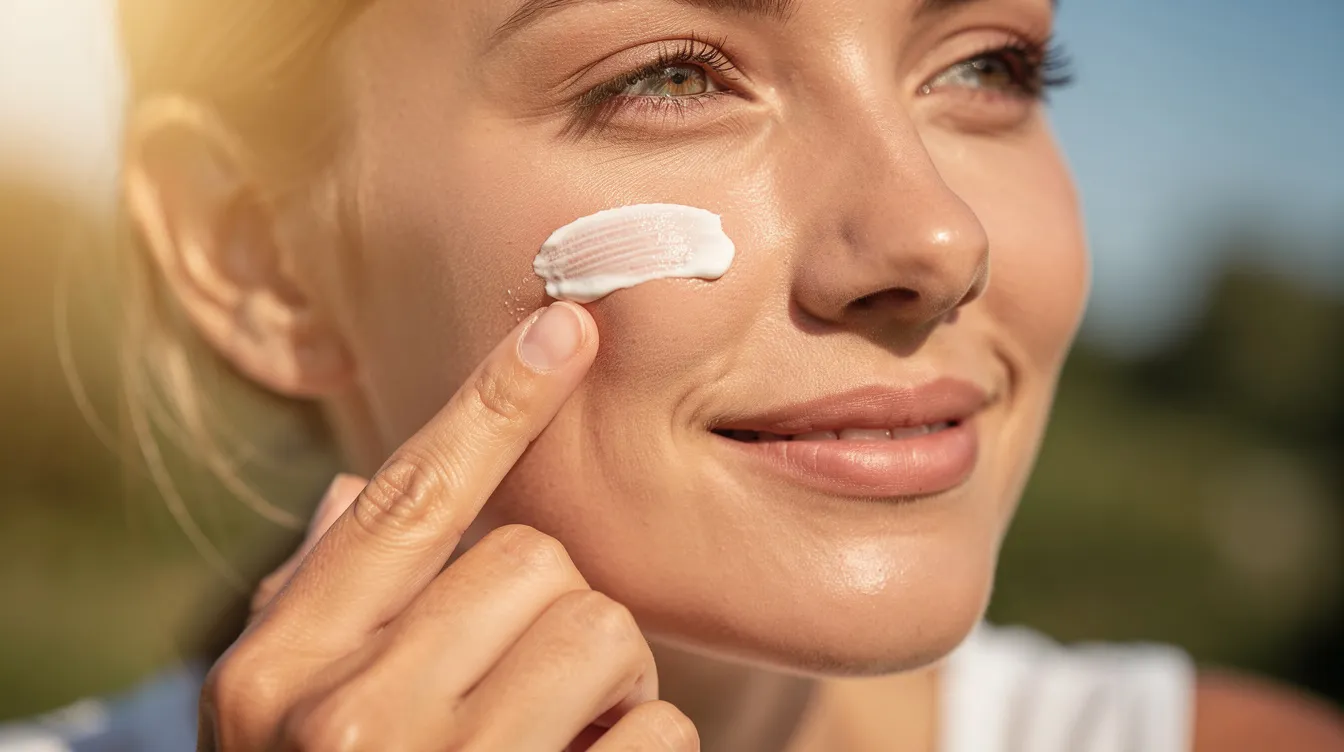
How to Tell If a Sunscreen Is Really “Sensitive Skin Friendly”
Not every product that says “for sensitive skin” on the front is honest. I’ve learned to flip the bottle and check the ingredient list myself. Here is what I look for when picking a sensitive skin sunscreen:
Look for sunscreens labeled fragrance free. The word “unscented” can still mean there are masking scents hiding in the formula. Fragrance is a common irritant in sunscreens for sensitive skin-it is actually the most common irritant overall.
Choose formulas that are alcohol-free, especially free from drying alcohols like SD alcohol and denatured alcohol. Products with more alcohol can strip your skin barrier and sting.
Pick sunscreens that are hypoallergenic, non comedogenic, and oil free. These traits lower the chance of breakouts and reactions.
Aim for broad spectrum SPF 30 or higher for daily use. For long days outside, sunscreen spf 50 gives a small but useful boost. Broad spectrum protection means you block both UVA and UVB rays.
A mineral formula with zinc oxide and/or titanium dioxide is usually the right sunscreen choice for reactive skin. Zinc oxide is a common active ingredient in sensitive skin sunscreens. Chemical filters can cause irritation for sensitive skin.
Avoid these common irritants: fragrance, essential oils (like citrus, lavender, peppermint), oxybenzone, octinoxate, strong alcohols, and harsh preservatives. Finding the right formula means knowing what to skip.
Mineral vs Chemical Sunscreen for Sensitive Skin
Here is the simple difference. Chemical sunscreens absorb UV rays and convert them to heat inside your skin. Mineral sunscreens use physical blockers that sit on top of the skin and reflect uv rays without absorbing into it. For people with delicate skin, that difference matters a lot.
Dermatologists often suggest mineral sunscreens for people with sensitive, rosacea, or eczema-prone skin. Mineral filters are less likely to trigger irritation than chemical filters, and 100% mineral formulas are recommended for sensitive skin types.
The main mineral filters are zinc oxide and titanium dioxide. Both are FDA recognized as safe-zinc oxide is classified as Generally Recognized as Safe by the FDA. They are much less likely to sting or cause redness.
Chemical sunscreens can cause irritation for sensitive skin types because they generate heat as they work. Mineral sunscreens do not generate heat, reducing irritation risk. If your skin is very reactive skin, that heat from absorbing uv rays can trigger flare-ups.
New mineral sunscreen formulas are lighter, less chalky, and better for all skin tones than old ones. UCLA researchers in 2026 developed tetrapod-shaped zinc oxide particles that reduce clumping and help give a more even, less white finish. A mineral sunscreen spf 50 doesn’t have to feel like paste anymore.
Ingredients Sensitive Skin Should Avoid (and What to Look For Instead)
For most people, irritation comes from the extra stuff in the bottle-not the SPF itself. The active ingredients matter, but so do the other ingredients sitting right next to them. Here is what I watch out for.
Chemical UV filters to limit or avoid if your skin stings: oxybenzone, octinoxate, octocrylene, homosalate, and avobenzone. Chemical filters like oxybenzone can cause skin irritation. Avoid sunscreens containing oxybenzone and avobenzone for sensitive skin.
Fragrance and essential oils are top potential irritants. Citrus oils, lavender, tea tree, and peppermint are all triggers-even “natural” ones. Fragrance is the most common irritant in sunscreens, so always pick products with no added fragrance.
Drying alcohols like SD alcohol and denatured alcohol strip moisture from your barrier. Alcohol in sunscreens can lead to burning sensations, especially on damaged or acne prone skin.
Some preservatives are sneaky triggers. Preservatives like methylisothiazolinone can irritate sensitive skin. Certain botanical extracts can also cause rashes in people who are allergic.
Good ingredients to look for include glycerin, ceramides, centella asiatica, madecassoside, vitamin e, and squalane. Soothing ingredients like niacinamide and hyaluronic acid can benefit sensitive skin and help calm redness-but niacinamide can be an irritant for some individuals, so test carefully.
Patch testing is recommended before using new sunscreens on sensitive skin. Apply a small amount behind your ear or on your inner arm and wait 24–48 hours before full use.
Best Sunscreens for Sensitive & Acne-Prone Skin
My skin breaks out easily. On top of being sensitive, I deal with clogged pores and random breakouts if a sunscreen is too thick or greasy. So I look for non comedogenic, oil free formulas that feel light on my face. Non-comedogenic sunscreens are suitable for acne-prone sensitive skin.
Multimodal Sheer Mineral Sunscreen SPF 25 from U Beauty – The Multimodal Sheer Mineral Sunscreen SPF 25 stood out to me as a great option for anyone looking for one of the best sunscreens for everyday use. It combines mineral sun protection with skincare and a primer-like finish, leaving my skin looking smooth, fresh, and naturally blurred.
Vanicream Facial Moisturizer Broad Spectrum Mineral SPF 30 – Uses 19.5% non-nano zinc oxide, ceramide complex, squalane, and glycerin. No fragrance, no parabens, no dyes. Feels like a moisturizer, not a sunblock. A gentle budget pick for acne prone skin.
EltaMD UV Clear Face Sunscreen SPF 46 – Dermatologist-recommended, with niacinamide and hyaluronic acid for soothing and hydration. Lightweight, sheer, and layers well under makeup without pilling. Great for face use on oily or combination skin.
La Roche-Posay Anthelios 50 Mineral Ultra-Light Sunscreen Fluid SPF 50 – Pure mineral, dries matte, and does not clog pores. A solid face option for sensitive skin that also tends to break out.
Blue Lizard Sensitive Mineral Sunscreen SPF 50 – Fragrance-free and non-comedogenic. Water-resistant for 80 minutes. Better for body than face because of its thicker lotion texture, but still safe for breakout-prone skin.
Thick, greasy formulas can trap bacteria and clog pores. If your skin is oily or acne-prone, stick with oil free or very lightweight textures-those are safer picks. Look for lotions or fluids rather than heavy creams.
Best Mineral Sunscreens
I know white cast is a real problem, especially for brown and Black skin. Old mineral sunscreens left a gray or purple tint that made them basically unusable. I now look for sheer or tinted mineral options that actually work across all skin tones.
Try Colorescience Sunforgettable FLEX Tinted Mineral SPF 50 (universal tint that melts in), La Roche-Posay Anthelios Mineral Ultra Light Fluid (sinks in more cleanly than most), or Pipette Baby Mineral Sunscreen, which is known for its invisible finish.
Tinted mineral formulas do double duty-they blend better and help even out your skin tone a bit. The iron oxides in tinted formulas also block visible blue light, which can worsen pigmentation and melasma in deeper complexions.
Always check swatches and reviews from people with a similar skin tone before buying. Labels saying “sheer,” “invisible,” or “no white cast” are helpful but not perfect.
Modern mineral formulas minimize white cast on the skin thanks to better particle technology. Products with minimal white cast are improving fast, but patch testing is still smart before committing to a full bottle.
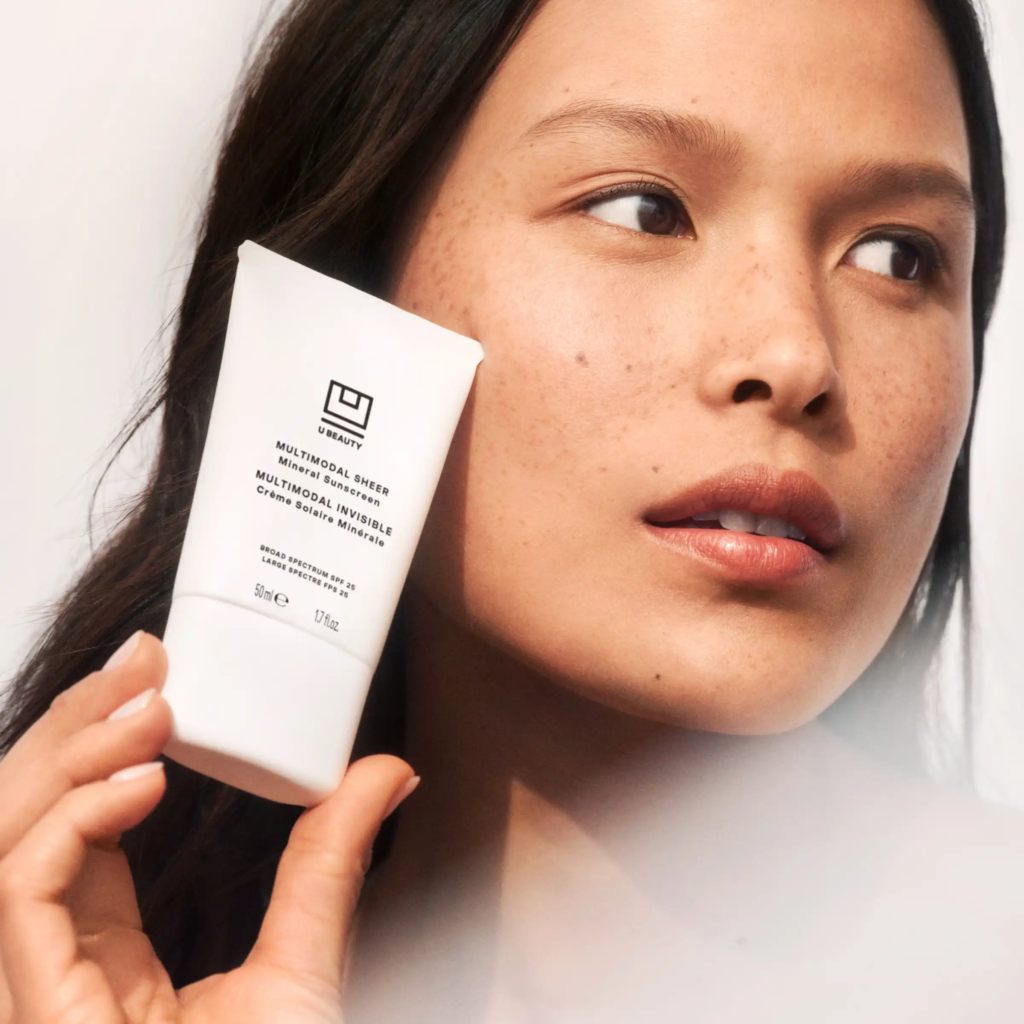
Spotlight on Multimodal Sheer Mineral Sunscreen SPF 25 from U Beauty
I was impressed by how different the Multimodal Sheer Mineral Sunscreen SPF 25 from U Beauty felt compared with a typical sunscreen. It is more than just a sunscreen. It works as a mix of suncare, skincare, and primer, helping protect, blur, and brighten my skin in one step.
What I liked most was that it seemed to work on my skin in three ways. It helped brighten the dullness I already had, made my skin look more fresh and even in the present, and helped protect my skin for the future. That made it feel more like part of my daily skincare routine rather than something I only put on before going outside.
I also liked how flexible it was to wear. I could use it on its own, apply it over my regular skincare, or wear it under makeup. When I used it as a primer, it gave my skin a soft, blurred look that helped create a smoother base for makeup.
The formula contains non-nano Zinc Oxide, which provides mineral sun protection, along with Golden Seaweed, Clary Sage, and Stabilized Vitamin C. It also contains Natural Silica Microspheres, which help create the soft-focus finish.
The texture was another highlight for me. It felt fluffy, breathable, and almost weightless on my skin. Instead of leaving me with a heavy sunscreen feel, it gave my skin a smooth, blurred, filter- like finish. I also like that it is non-comedogenic and designed for all skin types, including sensitive skin.
Overall, I think the Multimodal Sheer Mineral Sunscreen SPF 25 from U Beauty is worth considering if you’re looking for one of the best sunscreens that can do more than provide sun protection. It combines mineral SPF, skincare benefits, and a primer-like finish into one easy step.
How to Apply Sunscreen on Sensitive Skin Without Irritation
How you apply sunscreen matters as much as which one you buy. If your skin stings easily, rough rubbing or wrong timing can make even a gentle formula feel harsh.
Apply sunscreen as the last step in your morning skincare routine, after your moisturizer has fully absorbed. This keeps a protective buffer between your skin and the sunscreen.
Use gentle patting or pressing motions instead of rubbing hard. Rough friction can cause mechanical irritation on reactive skin, especially if you have rosacea or active breakouts.
Use about a quarter teaspoon of sunscreen for your face alone, or two fingers’ length of product for face and neck together. For your body, aim for about one teaspoon per arm and another for your chest.
Wait 10–15 minutes after you apply sunscreen before going outside or putting on makeup, so the mineral filters can set and protect properly. This also helps prevent pilling.
Reapply every 2 hours during sun exposure. If you are swimming or sweating heavily, reapply every 40–80 minutes depending on the product’s water resistance. Indoors near windows, you can stretch it longer, but don’t skip it-UVA rays pass through glass.
Reef Safe and Eco-Friendly Sunscreens for Sensitive Skin
Reef safe sunscreens usually skip oxybenzone and octinoxate-two chemical filters linked to coral damage. For people with sensitive skin, that is good news, because those are also two of the biggest skin irritants. Simpler formulas tend to be gentler formulas.
Good reef safe picks for sensitive skin include Blue Lizard Sensitive Mineral Sunscreen SPF 50 (mineral, fragrance free, water-resistant), Ao Skincare 6000X Elemental Screen SPF 30 (EWG Verified and fragrance free), and Pipette Baby Mineral Sunscreen (invisible finish, gentle enough for babies and adults). Toss any of these in your bag for a beach or pool day.
The term “reef safe” is not yet strictly regulated, so meanings can vary. But mineral-only formulas are generally safer for coral reefs than chemical ones.
Even if a product is marked reef safe, still check for other irritants like fragrance, drying alcohols, or harsh preservatives. Reef safe does not automatically mean sensitive-skin safe.
For beach, pool, and sports days, choose a water-resistant option. Blue Lizard gives you 80 minutes of water resistance, which is the highest you will find on most sunscreens.
FAQ: Sunscreen & Sensitive Skin (2026 Edition)
I get a lot of the same questions from friends and readers about sensitive skin and SPF. Here are the ones I hear most.
Do I really need sunscreen if I have darker skin or never burn? Yes. UV damage happens to every skin tone. UVA and uvb rays cause premature aging and raise your risk of skin cancer regardless of how dark your skin is. The Skin Cancer Foundation recommends daily broad spectrum protection for everyone.
Why does every sunscreen sting around my eyes? Most likely it is the chemical filters or added fragrance migrating into your eye area. Switch to a gentle mineral sunscreen with zinc oxide-mineral formulas are far less likely to sting. Avoid products with avobenzone or oxybenzone near your eyes.
Is SPF 30 enough, or should I always use spf 50? SPF 30 blocks about 97% of UVB rays. SPF 50 blocks about 98%. For daily indoor life, SPF 30 is plenty. For long days outside, sport, or strong sun, bump up to SPF 50 for that extra bit of protection. Either way, reapplication matters more than the number.
Can I skip sunscreen in winter or on cloudy days? No. Up to 80% of UV rays pass through clouds, and UVA rays come through windows. Sun protection is a year-round need.
How do I stop my sunscreen from pilling under makeup? Use thinner layers, let each product dry completely before the next, and match textures-water-based sunscreen under water-based cosmetics. Avoid rubbing when applying makeup on top.
If you keep reacting to every sunscreen you try, talk to a dermatologist. You may have rosacea, eczema, or a true contact allergy to a specific ingredient. A derm can help you find the right formula through proper patch testing.

Final Thoughts: Building a Sensitive-Skin-Safe Sun Care Routine
Finding the best sunscreen for sensitive skin is not about chasing the trendiest brand. It is about choosing a gentle mineral sunscreen, avoiding common irritants, and wearing it every single morning. That is how you protect your skin from sun damage without making your skin miserable.
The best sunscreen is the one you will actually use every day-not just on beach trips. If it stings or feels heavy, you will skip it. Find one that feels good.
Test slowly. Add one new product at a time and give it at least a week unless you see a strong reaction. Rushing through new products is how most people end up with irritation.
A very simple morning routine for sensitive skin: mild cleanser, soothing moisturizer, mineral sunscreen spf 30–50, and optional light makeup. That is it. You do not need ten steps.
Pay attention to how your own skin feels instead of chasing every trend. Keep sunscreen as your non negotiable step-rain or shine, summer or winter. Your future skin will thank you.