If you have sensitive skin, shop for baby clothes, or want softer hypoallergenic basics, modal fabric is generally a good choice: it tends to be soft, breathable, moisture-absorbing, and less irritating than many fabrics, especially when you choose high-quality modal with trusted safety certifications.
This guide helps you decide whether modal is safe for your skin by explaining what modal fabric is, how it’s made, whether chemical processing or dyes can be a concern, how it compares with other common fabrics, what to look for when buying, how to care for it, and which common questions matter most before you wear it.
What Is Modal Fabric? Origins From Beech Trees
Modal fabric is a type of rayon made from beech tree pulp and wood pulp; modal belongs to the semi-synthetic fiber category because it is spun from natural cellulose that is chemically processed.
It is usually sourced from beech trees, and that plant-cellulose base helps give it a naturally hypoallergenic, non-irritating feel, which is why it is often included in skin friendly fabrics for people with delicate skin.
How Modal Is Made: Chemical Processing And Chemical Treatment
summarize pulping and cellulose extraction in the manufacturing process, where modal production starts with hardwood cellulose pulp that is dissolved and turned into fiber
describe chemical processing steps simply, noting modal involves chemical treatments and solvents in the production process, including some toxic chemicals and, in older methods, harsh chemicals
mention spinning and fiber formation, then explain that in modern factories the finished fabric is made using a closed loop system and closed loop processes that capture and reuse up to 99% of chemicals, which helps prevent toxic residues in the final fabric
note solvent recycling where applicable, since eco friendly methods and eco conscious production reduce water waste, chemical pollution, and environmental harm while making the finished fabric safer after the final fabric is processed
Is Modal Fabric Toxic Or Safe?
Modal Fabric Toxic Concerns
3.1 Potential Concerns
While modal is often gentle on the skin, there are a few concerns worth noting. Its production can involve chemicals such as sodium hydroxide and carbon disulfide, and conventional manufacturing can leave residues if the fabric is poorly processed.
These chemicals are mainly a concern during manufacturing, especially for worker exposure. For the wearer, the bigger issue is not all modal fabric but the chance of residual harmful substances when poor processing practices are used.
Modal Fabric Safe When Certified
list certifications that indicate low chemical residues, with certified modal and certified modal fabric as the safest options for direct skin contact
explain how closed-loop reduces residual toxicity; choosing high-quality modal from Lenzing Modal or tencel modal is recommended because they are produced to limit harmful, skin-irritating chemical residues, and a closed-loop system further lowers the chance of residual chemicals in the finished fabric
recommend testing when doubts remain, and look for OEKO-TEX® or GOTS labels because they indicate the fabric has been tested for harmful substances
Health Risks And Harmful Chemicals
explain carbon disulfide concerns briefly
mention sodium hydroxide use and mitigation
discuss dyeing and finishing harmful chemicals, noting that harsh dyes can trigger irritation independently of the fiber itself
advise on worker and environmental health risks
note that washing new modal clothes before wearing can help remove leftover processing chemicals
Is Modal Ideal For Sensitive Skin? Moisture Absorption And Moisture Wicking
Modal is often a strong choice for people with sensitive skin, eczema, or dermatitis because it feels soft, breathable, and gentle against the body.
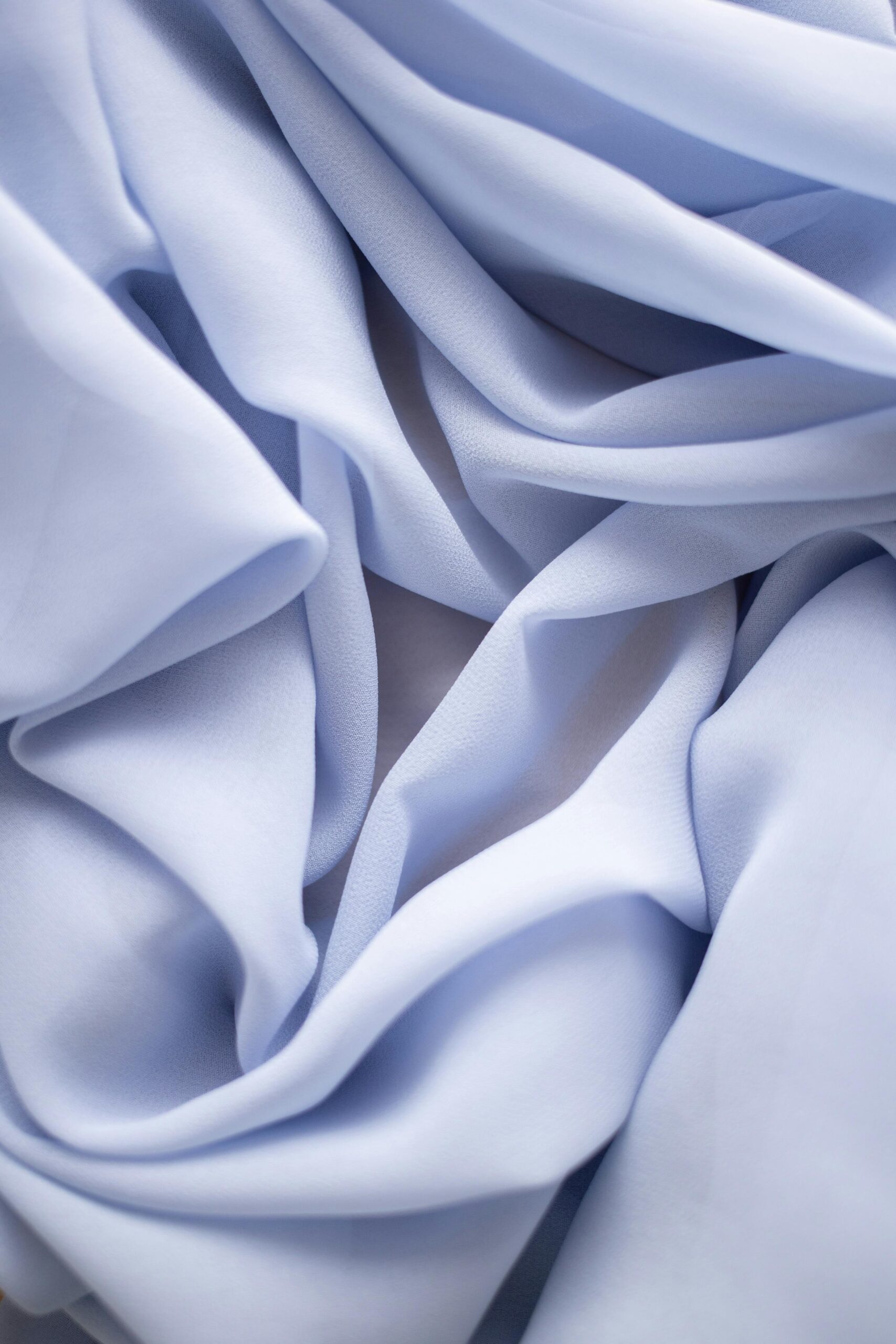
Its silky texture comes from fine, smooth fibers that reduce friction and help limit skin irritation, creating a second-skin feel that many people with sensitive skin find more comfortable than cotton.
It also absorbs moisture well, which supports moisture management and helps keep skin dry and comfortable. That cooling effect can be especially helpful in humid weather or during sleep, since less trapped sweat can also limit bacterial growth.
Modal is generally considered hypoallergenic and gentle, and it rarely causes itching or redness for people with allergies or delicate skin.
That said, quality still matters: low-grade blends with synthetic materials can reduce breathability, trap heat and moisture, and make irritation more likely. For people with sensitive skin, choosing well-made modal with minimal additives is usually the safer option.
Modal Fabric Versus Natural Fibers And Synthetics
compare modal to cotton for sensitivity and softness: Unlike cotton, modal is typically smoother, softer, and less likely than traditional cotton to develop pilling or the rough fabrics feel that can bother reactive skin after washing. MicroModal is a variation with even finer fibers, and this luxuriously soft option is generally not itchy for most people with sensitive skin and is often less irritating than cotton.
compare modal to polyester regarding breathability: Modal usually breathes better than polyester, absorbing moisture and drying faster, while many synthetic fabrics can trap heat and moisture against the skin. It is also generally considered less toxic than synthetic fabrics, and as an eco-friendly alternative to synthetic fabrics it often ranks better than other fabrics for both comfort and environmental impact.
contrast modal with other natural fibers like linen and hemp: Linen and hemp can work well for some people, but they often feel more textured at first, while modal tends to feel softer and smoother against the skin.
mention TENCEL/Lenzing Modal as higher-standard options: If you want higher-quality options, TENCEL or Lenzing Modal can be worth considering, and modal is often blended with other fibers to improve durability while preserving softness and breathability.
Environmental Impact And Forest Sourcing
explain environmental impact of closed-loop production, noting that modal can have a lower environmental footprint than many synthetic fabrics when made in a closed-loop system
discuss sustainable beech tree sourcing practices, which paired with cleaner production can make it a more eco-conscious fabric choice
note water and energy use tradeoffs
mention biodegradability compared to synthetics, since modal is biodegradable and breaks down faster than many synthetic fabrics, supporting environmental responsibility
How To Choose Safe Modal: Certifications And Labels
recommend checking OEKO-TEX® Standard 100, since labels like OEKO-TEX® and GOTS support a better fabric choice by covering both skin safety and environmental criteria
suggest preferring Lenzing Modal or TENCEL® branding
advise verifying MADE IN GREEN or GOTS where relevant
recommend asking brands whether the product is free from harmful substances and made with fewer chemicals, including details about chemical treatment processes
Caring For Modal To Protect Sensitive Skin
advise washing new modal before first wear, especially underwear or loungewear where preventing chafing and irritation matters most; brands like Shinesty and Tailor and Circus use modal for this reason
recommend fragrance-free, gentle detergents to preserve softness, which matters especially for micromodal garments because gentle care helps maintain their fiber structure
warn to avoid harsh fabric softeners
suggest air drying to preserve the fiber structure and soft feel
FAQs To Address Common Sensitive Skin Concerns
Is modal fabric safe for babies?
Yes, especially when it’s certified and free from harsh chemical finishes. Certified modal is generally considered non-toxic and gentle, so it’s commonly used for baby clothing because it feels soft and non-irritating on delicate skin. It’s also often chosen for underwear and bed sheets because of its softness and hypoallergenic feel.
How can you test modal on sensitive skin?
Before using modal regularly, try wearing it for a short period or test a small area against your skin. This can help you notice any itching, redness, or discomfort before longer use.
What if modal still irritates your skin?
If irritation happens, stop using the fabric and switch to another gentle material like cotton or bamboo. If the reaction continues, it’s best to speak with a dermatologist.
Conclusion And Buying Checklist
Modal fabric is generally an excellent choice for sensitive skin due to its soft, smooth surface and natural origin from beech tree cellulose. It offers superior moisture absorption and breathability, which help maintain skin comfort and reduce irritation. When sourced from reputable manufacturers using closed-loop processes and certified by standards like OEKO-TEX® or GOTS, modal fabric stands out as a safe, non-toxic option suitable for everyday wear, baby clothes, and those with skin sensitivities.
Buying Checklist for Sensitive Skin
Choose Certified Modal: Look for OEKO-TEX® Standard 100, GOTS, or MADE IN GREEN labels to ensure low chemical residues and safe production.
Prefer High-Quality Modal Brands: Select modal fabric stands such as Lenzing Modal or TENCEL® Modal, which guarantee responsible sourcing and closed-loop manufacturing.
Check Fabric Composition: Opt for pure modal or modal blends with natural fabrics rather than synthetic-heavy blends to maintain breathability and minimize irritation.
Wash Before Wearing: Always wash new modal garments with gentle, fragrance-free detergents to remove any residual processing chemicals.
Care Gently: Avoid harsh fabric softeners and air dry to preserve the fabric’s smooth surface and softness.
Test When Unsure: If you have extreme skin sensitivities, test a small patch of fabric before extended wear.
Following these guidelines will help you enjoy the benefits modal fabric offers while protecting your skin and supporting sustainable, eco-conscious choices.